Protein Calculator
If you weigh 70 kg and train four times a week, you might need far more than the basic daily protein minimum. A protein calculator helps you estimate a target based on your body weight, activity level, age, and goal, so you can adjust intake with more precision. But the right number isn’t fixed, and the details that change it may affect how you plan every meal.
Key Takeaways
- A protein calculator estimates your daily protein target from body weight, age, activity level, and goals.
- Healthy, active adults generally need 0.8 to 1.2 grams of protein per kilogram of body weight.
- Regular training or muscle-building usually requires 1.2 to 2.0 grams per kilogram daily.
- Spread protein across meals for better recovery and easier meal planning.
- Good protein sources include lean meats, dairy, eggs, soy, beans, tofu, and protein supplements.
How Much Protein Do You Need?

If you’re generally healthy and active, you’ll often do well with about 0.8 to 1.2 grams per kilogram of body weight each day. If you train regularly or want muscle growth, you may benefit from 1.2 to 2.0 grams per kilogram.
You don’t need to chase extreme amounts; consistency matters more than perfection. Spread protein across meals to support recovery and help you feel included in your routine, not restricted by it.
Choose lean meats, dairy, eggs, soy, beans, or supplements when needed. A protein calculator can help you estimate a practical target that fits your lifestyle and goals.
How Does a Protein Calculator Work?
A protein calculator turns your body weight, activity level, age, and goal into a daily protein target using evidence-based intake ranges. You enter your data, and the tool estimates grams per day, then often converts that into per-meal guidance so you can plan confidently with your community.
- It applies a formula to your inputs.
- It matches the result to an intake range.
- It helps you compare protein sources for practical eating.
Good calculator accuracy depends on using honest numbers and a tool built on current research. You’ll usually get a range, not a single perfect value, because precision improves when the calculator reflects your real routine.
Use the result as a clear starting point, then adjust your meals to fit your preferences and protein sources.
What Affects Your Protein Needs?
Your protein needs change based on several factors, including body size, age, activity level, training goals, and overall health.
If you’re more active, your body may need more protein to support repair and recovery. Age factors matter too, because older adults often need more to help preserve muscle mass.
Your workout intensity also matters, since harder training can increase protein turnover. Health conditions can alter needs as well, so you may need individualized guidance.
Dietary preferences, such as plant-based eating, can shape how you meet your intake. Lifestyle choices, including sleep, stress, and eating patterns, influence how well you use protein.
For weight management, adequate protein can support fullness and help maintain lean tissue. A protein calculator helps you estimate a range that fits you.
Set Protein Targets for Your Goal
Once you know your baseline needs, set your protein target by matching intake to your goal. If you want to maintain, aim near the middle of your range. If you’re building muscle, move toward the higher end, especially when training hard. If you’re losing fat, keep protein elevated to support fullness and lean mass.
- Maintenance: stay consistent and track progress.
- Muscle gain: increase intake and spread it across meals.
- Fat loss: prioritize higher protein on lower-calorie days.
Protein timing matters less than total daily intake, but evenly spaced doses can support recovery and adherence. Choose protein sources you enjoy and can repeat, so you feel part of a routine that fits your life.
Reassess every few weeks and adjust as your training, appetite, and results change.
Protein Foods to Help You Reach It
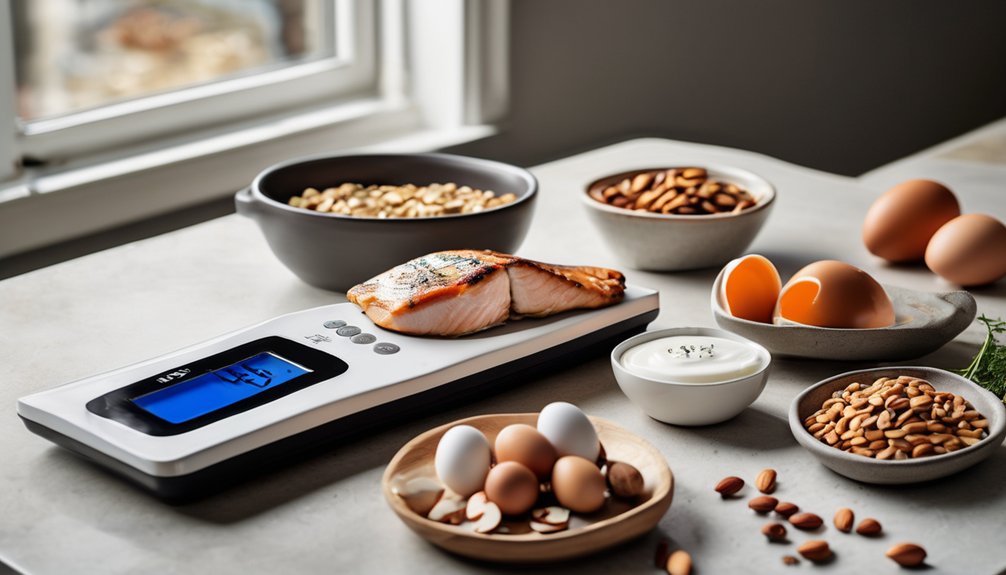
Choosing protein-rich foods makes it easier to hit your target without feeling overly restricted. You can build meals around lean poultry, fish, eggs, Greek yogurt, cottage cheese, tofu, tempeh, beans, and lentils.
These protein sources deliver essential amino acids, and many also provide iron, calcium, or fiber. Pair them with produce and whole grains so you stay satisfied and support recovery.
If you train regularly, spread intake across the day rather than saving it all for dinner; meal timing can help you stimulate muscle protein synthesis more consistently.
Keep convenient options on hand, such as tuna packets, edamame, and protein shakes, so you can stay on track at work or with friends. Planning this way helps you fit in without compromise.
Conclusion
A protein calculator helps you turn general nutrition advice into a clear daily target. For example, if you weigh 150 pounds and train four days a week, you might need more protein than a sedentary person your size. Use your result to plan balanced meals, spread intake across the day, and support recovery, muscle maintenance, and satiety. When you match protein to your body and goals, you’re more likely to stay consistent and see better results.