Best Online Tools for Weightlifters and Athletes
You probably don’t realize that the best training app isn’t the one with the most features, but the one that turns your logs into decisions you can use tomorrow. When you choose the right tools, you can track volume, hit macro targets, and monitor readiness without wasting time. The real edge comes from connecting workout, nutrition, and recovery data in one system, and that changes how you train next.
Key Takeaways
- Choose tools that match your training goals, equipment, and data needs for strength, speed, and recovery.
- Use workout apps with fast logging, PR tracking, templates, and cloud sync to simplify training records.
- Pick nutrition apps that track calories, protein, macros, and meal timing with barcode scanning and reminders.
- Use recovery apps to monitor sleep, soreness, stress, and readiness scores for smarter load adjustments.
- Track lifts, volume, bar speed, and session RPE to spot trends, prevent plateaus, and measure progress clearly.
How to Choose the Right Fitness Tools
Choosing the right fitness tools starts with your training goal: if you want to add strength, track bar speed, or improve recovery, the tool has to support that outcome, not distract from it.
You should match each option to your fitness goals and then test tool compatibility with your current setup, lifting style, and data habits. If a device can’t fit your rack, capture clean metrics, or stay intuitive under fatigue, it’s not ready for your program.
Choose tools that give you actionable feedback, not noise, so you can load smarter and recover harder.
When your equipment works with your system, you stay focused, confident, and connected to the same performance standard as the lifters around you.
Best Workout Tracking Apps
A strong workout tracking app should do more than log sets—it should help you train with purpose. You need exercise logging that’s fast, accurate, and built for heavy days. The best apps let you record load, reps, tempo, and rest without killing momentum. With progress visualization, you can spot stalled lifts, track volume trends, and stay locked in with your training crew.
| Feature | Why it matters |
|---|---|
| Fast logging | Keeps workouts flowing |
| PR tracking | Shows real strength gains |
| Charts | Clarifies progress visualization |
| Templates | Saves time on repeat sessions |
| Cloud sync | Protects your data |
Choose one that fits your split, supports your lifts, and keeps you accountable. When you track with precision, you train like you belong among serious athletes.
Nutrition Apps for Strength Gains
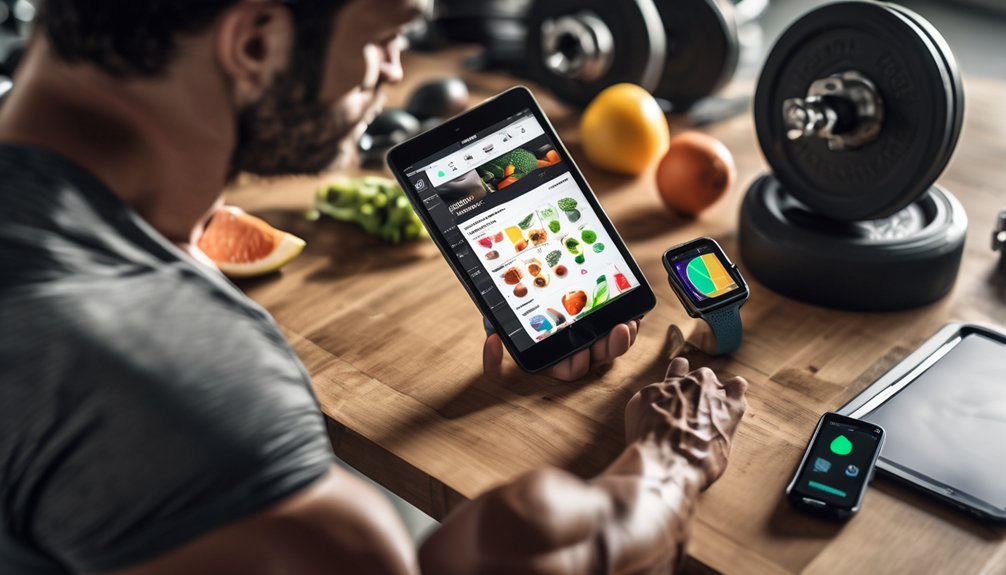
When you want your nutrition to drive stronger lifts, the right app helps you control calories, protein, and meal timing with the same precision you bring to training. You can log meals fast, spot gaps in your intake, and adjust meals before they cost you strength.
Look for tools with accurate calorie tracking, barcode scanning, custom macro targets, and smart reminders that keep your plan on track. Strong meal planning isn’t about eating less; it’s about fueling enough to recover, build muscle, and attack the next session.
When you track consistently, you join a community of lifters who treat nutrition like a performance variable, not an afterthought. Use the data, make small adjustments, and keep pushing.
Recovery Apps for Sleep and Readiness
Recovery apps help you turn sleep and readiness into measurable training data, so you can spot fatigue before it wrecks a session. You log sleep quality, waking pulse, soreness, and stress, then get a clear readiness score that helps you adjust load, volume, or intensity.
When your numbers dip, you don’t guess—you deploy recovery techniques like earlier bedtime, breathing work, mobility, and lower CNS stress. That’s how you keep progression moving without burning out.
These tools also help you stay connected to your crew, because everyone chasing strength knows recovery isn’t weakness; it’s discipline. Use the app daily, trust the patterns, and show up prepared to train hard, recover smarter, and keep your body primed for the next heavy lift.
Track Performance Without Guesswork
Training gets sharper when you stop relying on feel and start tracking the numbers that actually move performance. You can log lifts, volume, bar speed, and session RPE to spot trends before they become plateaus.
Strong performance metrics help you compare today’s work with last month’s baseline, so you know when to push and when to hold. Use data visualization to turn raw totals into charts that show progress at a glance; that’s where small wins become obvious.
When you train with a community that measures what matters, you stay accountable and driven. The best online tools make tracking fast, clear, and repeatable, so you spend less time guessing and more time adding plates with purpose.
Frequently Asked Questions
Which Tools Work Best for Team-Based Strength Training?
For team-based strength training, you’ll get best results from platforms that streamline team communication and workout collaboration, like shared training logs, video analysis apps, and messaging dashboards. They keep everyone aligned, accountable, and progressing together.
Can Online Tools Help Prevent Lifting Plateaus?
Yes, online tools can help prevent lifting plateaus by tracking your loads, adjusting progression, and boosting training motivation. You’ll see trends, spot stalls early, and stay connected with your crew, driving consistent performance gains.
Are There Apps for Technique Analysis Using Video?
Yes—you can use video apps for video feedback, technique improvement, and stronger lifts. You film, you analyze, you adjust. You’re not training alone; you’re joining athletes who refine every rep with precision and confidence.
Do Any Tools Integrate With Smart Gym Equipment?
Yes—you can link smart equipment integration with workout tracking apps, so you’ll capture reps, load, and rest automatically. You’ll train smarter, stay accountable, and join a community that values measurable progress and stronger performance.
How Do Athletes Compare Training Data Across Seasons?
You compare seasons by lining up performance metrics in data visualization dashboards, then track trends, peaks, and dips. You’ll spot your quiet gains, celebrate progress, and feel part of a stronger, sharper crew.
Conclusion
Choose the right tools, and you’ll train with precision instead of guesswork. The best apps help you log lifts, hit macro targets, and monitor recovery so every session counts. One useful stat: athletes who track workouts and nutrition consistently are far more likely to improve adherence and performance over time. If you want stronger numbers, better recovery, and smarter decisions, start measuring what matters, then keep pushing forward.