Ideal Weight Calculator
An ideal weight calculator can give you a useful starting point by estimating a healthy weight range from your height, sex, age, and sometimes activity level. You can use it to compare where you are now with a broad health benchmark, but it won’t tell the full story on its own. Body composition, lifestyle, and personal factors all matter, and that’s where the real nuance begins.
Key Takeaways
- An ideal weight calculator estimates a healthy weight range using height, sex, age, and sometimes body frame or activity level.
- It usually relies on BMI-based population formulas to provide a practical benchmark, not a definitive diagnosis.
- Use the full weight range as a reference and compare results with body composition, health, and overall well-being.
- Accuracy varies, so results should be treated as a starting point and discussed with a clinician if they seem off.
- For goals, focus on gradual, measurable changes and healthy habits rather than chasing a single “perfect” number.
How Does an Ideal Weight Calculator Work?
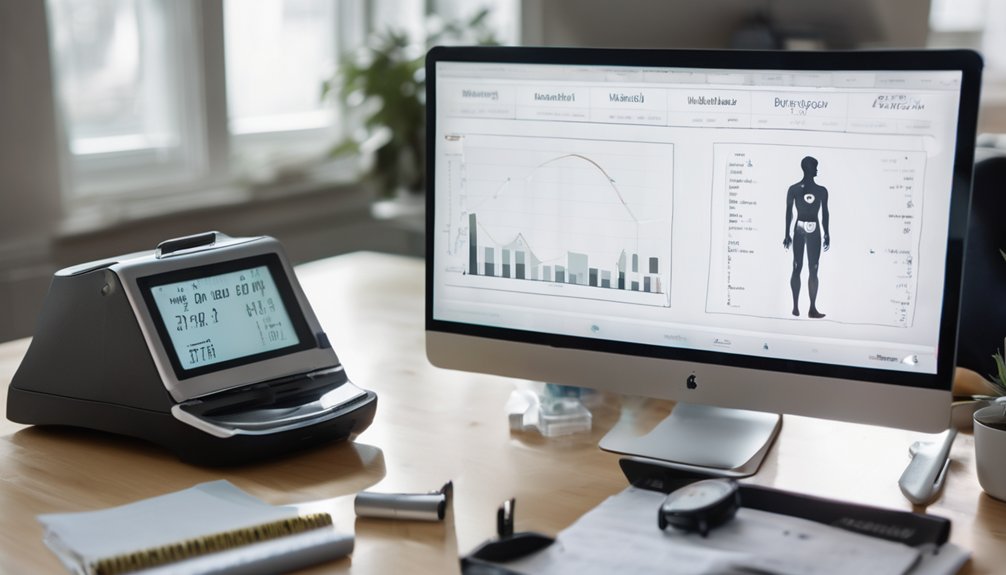
An ideal weight calculator estimates a healthy weight range for you by combining inputs like your height, sex, age, and sometimes body frame or activity level.
It uses population-based formulas to compare your measurements with ranges linked to lower health risk. BMI considerations often guide these estimates, since body mass index helps researchers relate weight to height.
Age factors can also matter, because healthy ranges may shift slightly across life stages.
If you’re looking for a practical benchmark, this tool can give you a clear starting point without judgment.
It won’t define your worth, but it can help you feel informed, included, and more confident when you’re talking with a clinician about your health goals.
How to Use an Ideal Weight Calculator
To use an ideal weight calculator, you’ll usually enter your height, sex, age, and, in some cases, your body frame or activity level. Then review the estimated weight range it returns.
Use that range as a reference, not a verdict, because ideal weight is a screening estimate, not a personal diagnosis. Compare the result with your body composition and how you feel in daily life.
- Enter accurate measurements.
- Check the full range, not one number.
- Discuss patterns with a clinician if needed.
You can revisit the calculator over time to track changes and stay informed.
If you’re aiming to fit in with a healthier crowd, use the tool as a shared starting point for practical goals, not comparison.
What Affects Your Ideal Weight?

Your ideal weight isn’t determined by height alone, because several factors shape what’s healthy for you.
Your body composition matters: two people with the same weight can look and feel very different depending on fat and muscle mass. Age factors also play a role, since your metabolism and lean tissue often change over time.
Genetic influences can affect where you store fat, how easily you gain muscle, and your natural set point.
Your lifestyle habits, including food choices, activity level, sleep, and stress management, strongly influence your metabolic rate.
When you consider these pieces together, you get a more personal, realistic picture of health. That can help you feel informed, supported, and confident about the range that fits you best.
How Accurate Is an Ideal Weight Calculator?
- Use it as a starting point, not a verdict.
- Compare results from more than one calculator.
- Discuss patterns with a clinician if the number feels off.
You deserve guidance that reflects you, not just a formula.
When you understand what the tool can and can’t do, you can use it with confidence and stay connected to realistic, supportive health information.
How to Set Healthy Weight Goals

Once you’ve used an ideal weight calculator as a reference point, the next step is to set a goal that fits your health, lifestyle, and timeline. Aim for gradual change, because evidence shows modest weekly losses are more sustainable for weight management. Choose goals you can measure and adjust.
| Goal type | Example |
|---|---|
| Process | Walk 30 minutes most days |
| Outcome | Lose 1–2 pounds per week |
| Support | Plan meals with a friend |
Link your target to a healthy lifestyle, not perfection. Focus on habits you can repeat, like balanced meals, sleep, and movement. If you belong to a group working on the same goals, you’re more likely to stay motivated and consistent. Check progress monthly, celebrate small wins, and revise your plan if it feels too aggressive.
Conclusion
An ideal weight calculator gives you a useful starting point, but it doesn’t tell your whole health story. When you compare its estimate with your height, age, body composition, and habits, the numbers often align just enough to guide better choices—that’s the coincidence worth noticing. Use the result as a practical benchmark, not a verdict. Then set steady goals, track progress, and adjust as your body and lifestyle change.