
Best Free Tools for Managing Your Time
When you’re trying to manage your time better, the right free tool can make your day feel more controlled without adding clutter. You’ll want something simple, reliable, and easy to fit into your routine, whether that means a calendar, task list, timer, or shared schedule. The best options don’t just organize work, they help you decide what matters next, and that’s where the real difference starts.
Key Takeaways
- Choose a free time management tool with a clean layout, quick setup, reminders, and task prioritization.
- Use free calendar tools that sync across devices and make scheduling easy with clear, visible plans.
- Pick task apps that capture ideas fast, sort goals into steps, and support tags, sharing, and deadlines.
- Try time blocking tools to schedule focused work, meetings, and breaks while reducing decision fatigue.
- Use shared schedule tools to coordinate teams, avoid conflicts, and protect focus time with shared visibility.
What to Look for in a Free Time Management Tool

When you’re choosing a free time management tool, start with the basics: it should help you stay organized without adding extra work.
Look for a clean layout, quick setup, and simple task tracking so you can jump in fast. Check whether it lets you set priorities, reminders, and deadlines that fit your routine.
A helpful features comparison can show which tools offer the right balance of simplicity and flexibility. You should also read user reviews to see how real people feel about reliability, ease of use, and support.
Pick a tool that matches the way you work, so you feel in control, not overwhelmed. When the fit is right, you’ll stay focused and connected to your goals, every day.
Best Free Calendar Tools
Free calendar tools can give you a simple, reliable way to plan your days without paying for extra features you may not need. You can start with options that offer clean layouts, easy scheduling, and calendar integrations with the accounts you already use.
Look for user friendly interfaces that help you move quickly, whether you’re adding an appointment or checking your week at a glance. When a tool feels intuitive, you’ll stay organized without extra effort. You’ll also fit into a system that works with your routine instead of fighting it.
Choose one that syncs across devices, sends helpful reminders, and keeps your plans visible. With the right free calendar, you can manage time confidently and feel more in control together.
Free Task Apps That Keep You on Track

Task apps can help you turn daily goals into simple, manageable steps, so you’re less likely to lose track of what matters. You can capture ideas fast, set due dates, and sort tasks by urgency with task prioritization strategies that fit your routine.
Many free options let you tag projects, add reminders, and share lists, so you stay connected with your team or family. When you use digital organization techniques like color labels, folders, and recurring tasks, you’ll spot priorities quickly and feel more in control.
Choose an app that matches how you work, then review it each morning and evening. That simple habit keeps your plans visible, your progress steady, and your day easier to manage together.
Time Blocking Tools for Focused Work
Time blocking tools help you protect your focus by assigning specific hours to specific work, so your day feels planned instead of scattered.
You can map deep work, meetings, and breaks into clear blocks, then follow the plan with less decision fatigue. This simple structure shows you time blocking benefits fast: fewer distractions, steadier progress, and a calmer mindset.
Choose a free tool that lets you color-code tasks, drag blocks easily, and adjust your schedule when life changes.
With effective scheduling, you’ll see where your time goes and spot overloaded days before they derail you.
If you like working with a system, time blocking can help you feel organized, supported, and part of a group that gets things done together.
Free Timer Apps for Better Productivity
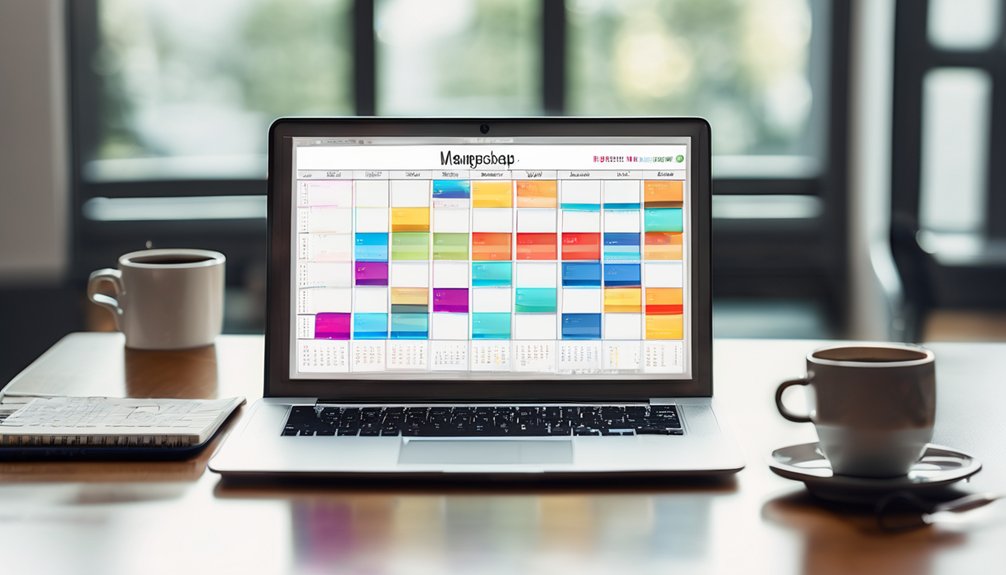
A simple timer app can keep you moving when your attention starts to drift, because it turns vague intentions into a clear countdown you can follow. You can use countdown timers to start fast, then build steady focus sessions around the Pomodoro Technique.
Try pairing short bursts with distraction blockers so you protect your best work time. These productivity hacks help you stay on track without feeling isolated; you’re joining a group of people who work with intention.
Use the app for goal tracking, time audits, and daily routines, so each day shows where your minutes go. When you review your results, you’ll spot patterns, adjust quickly, and keep improving.
Free timer apps make discipline feel manageable, and that’s what keeps you going together.
Shared Schedule Tools
When you share a schedule, you make it easier for everyone to stay aligned, avoid conflicts, and plan ahead with less back-and-forth.
Shared calendars help you see open windows, protect focus time, and keep commitments visible to the whole group.
With collaborative planning, you can add meetings, deadlines, and reminders in one place, so no one feels left out or surprised.
You’ll build trust faster when everyone can check the same view and adjust with confidence.
- A team calendar glowing with color-coded events
- A family week laid out like a clear map
- A shared deadline marked with a bright reminder
- A group chat synced to one schedule
- A busy day turning calm and organized
How to Pick the Right Tool for Your Routine
To pick the right tool for your routine, start by matching it to your daily habits, not to the longest feature list.
Look at when you plan, where you work, and who you coordinate with. If you switch between phone, laptop, and tablet, tool compatibility matters more than fancy extras.
Choose a tool that feels easy to open, update, and trust during busy days. If your week changes often, prioritize routine flexibility so you can move tasks, shift reminders, and adjust views without friction.
You’re not searching alone; many people build better days with a simple system that fits their pace.
Test one tool for a week, then keep the one that supports your flow, not the one that demands constant attention.
Simple Habits That Make Tools Work
Small habits make your time management tool far more useful than any extra feature ever will. You build momentum when you check it at the same time each morning, capture tasks instantly, and review tomorrow before you log off.
This habit formation turns a free app into a dependable partner instead of another forgotten tab. For smooth tool integration, connect your calendar, notes, and reminders, then keep each one in its lane.
- A coffee mug beside your planner
- A phone reminder lighting up at noon
- A clean inbox with only today’s tasks
- A calendar blocking a quiet focus hour
- An evening reset that clears mental clutter
You’re not doing this alone; you’re joining a group of people who make systems work for them.
Frequently Asked Questions
Can Free Time Management Tools Work Offline?
Yes, you can use some free time management tools offline, if they offer offline functionality. You’ll still keep planning, and mobile accessibility helps you stay connected, so you won’t feel left out.
Do These Tools Sync With Wearable Devices?
Yes, some do, some don’t, and some need setup. You can check sync capabilities, test wearable compatibility, and match features to your device. When they connect, you’ll stay organized and feel included.
Are Free Tools Safe for Sensitive Personal Data?
Not always. You should check data encryption, permissions, and privacy policies first. Read user reviews, too. If a free tool seems unclear, avoid storing sensitive details there and choose safer options you trust.
Can I Import Tasks From Other Apps Easily?
Yes, you can usually bring tasks over with a little digital handoff. Check task integration and app compatibility first, then import files or sync accounts. You’ll feel right at home once everything settles in neatly.
Which Tools Support Multiple Languages?
Todoist, TickTick, Notion, and Google Calendar support multilingual support, so you can switch the user interface easily. You’ll feel at home using whichever language fits you best, and you can stay organized together.
Conclusion
You’ve got plenty of free tools to help you manage time better, but the best one is the one you’ll actually use every day. Research shows it takes about 66 days to build a habit, so keep your system simple and consistent. Choose one calendar, one task list, and one timer, then review them daily. When you stay organized and protect focused time, you’ll cut stress, make faster decisions, and get more done.