Body Fat Calculator
Like a mirror that measures more than appearances, a body fat calculator can give you a clearer view of your health. You enter data such as height, weight, age, sex, and sometimes waist or neck size, then the formula estimates body fat percentage. Because the result is only an approximation, you’ll want to know how to measure correctly, which formula fits best, and what your number really means for your goals.
Key Takeaways
- A body fat calculator estimates body fat percentage using height, weight, age, sex, and sometimes waist or neck measurements.
- It uses research-based formulas, such as the U.S. Navy method, to approximate fat mass and lean mass.
- Accurate results depend on consistent measurements, the same tape measure, and relaxed, repeated readings.
- Body fat percentage helps track fitness progress and health risks better than scale weight alone.
- Normal ranges vary by age and sex, with women typically having higher essential fat than men.
How a Body Fat Calculator Works
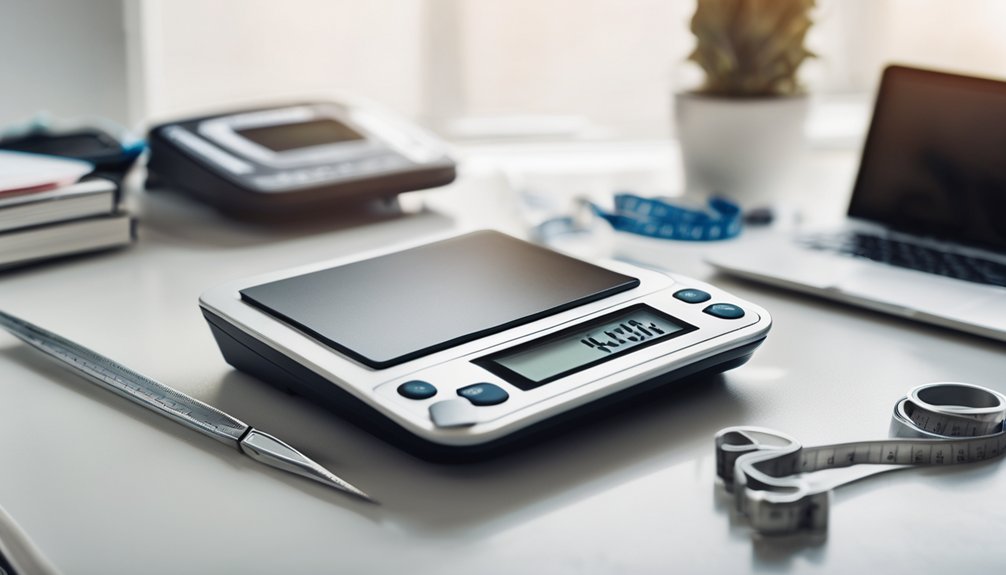
A body fat calculator estimates how much of your body weight comes from fat by using inputs such as your height, weight, age, sex, and sometimes measurements like waist or neck circumference.
You enter data, and the calculator applies measurement techniques and prediction formulas to estimate body composition, not just scale weight. These tools can help you track progress, set realistic goals, and feel more connected to your health journey.
Accuracy factors include the quality of the formula, how the device was designed, and how consistently you provide your information. Since no calculator is perfect, you should use the result as a guide, not a diagnosis.
When you understand how it works, you can make smarter choices and stay part of a supportive wellness routine.
Measure Yourself for Accurate Results
To get the most accurate body fat estimate, you’ll need to measure yourself carefully and consistently. Use the same tape measure, stand relaxed, and keep it level around each site. Take measurements on bare skin or thin clothing, and avoid tightening the tape, which can skew results.
For better measurement techniques, record your numbers at the same time of day, ideally before eating or exercising, because hydration and swelling affect accuracy factors. If you’re using a scale or handheld tool, follow the instructions exactly and repeat each reading two or three times.
Stay patient with the process; small differences are normal, and you’re not alone in wanting reliable feedback. When you measure with care, you give your body fat calculator a stronger foundation for tracking your health.
Body Fat Calculator Formulas Explained
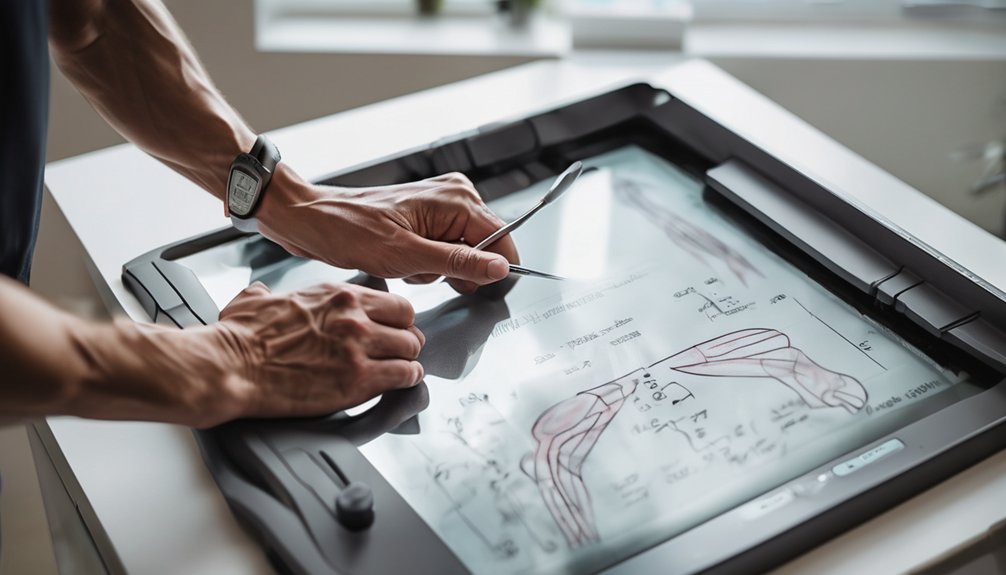
Once you’ve taken careful measurements, the next step is understanding how a body fat calculator turns those numbers into an estimate. Most calculators use formulas built from research on body composition, linking circumferences, height, weight, age, and sex to predict body fat.
Some rely on tape-based measurement techniques, such as the U.S. Navy method, while others use skinfold or digital inputs. Each formula estimates lean mass and fat mass indirectly, so results are always approximations, not lab-grade truths.
That’s why consistent measurement techniques matter more than chasing a single number. If you follow the same method each time, you can track trends and compare your results with confidence.
In a community focused on health, this helps you stay grounded, informed, and connected to your progress.
What Your Body Fat Percentage Says About You
Your body fat percentage gives you a useful snapshot of how much of your body is made up of fat versus lean tissue, and that can help you think more clearly about health risks and fitness goals.
It doesn’t define you, but it can highlight health implications tied to energy balance, metabolic health, and recovery. When you understand it, you can move past fitness misconceptions that focus only on scale weight or appearance.
Your number also reflects lifestyle factors such as activity, sleep, stress, and nutrition, so small changes can shift it over time.
If body image worries creep in, remember that this measure is one tool, not a judgment. Used well, it helps you make informed choices, track progress, and feel more connected to your health journey and community.
Body Fat Ranges by Age and Sex
Body fat ranges vary by age and sex because hormonal changes, muscle mass, and fat distribution all affect what’s considered healthy.
You’ll usually see higher percentages with age differences, and gender variations matter because women naturally carry more essential fat than men. That doesn’t define your ideal body; it helps you read your numbers in context.
- Men 20–39: about 8%–19%
- Women 20–39: about 21%–32%
- Men 40–59: about 11%–21%
- Women 40–59: about 23%–33%
These ranges reflect common fitness benchmarks, but health implications depend on more than one result.
Your body fat calculator gives a useful snapshot, yet body composition, activity, and waist size can all shape the full picture.
How to Use Your Results to Set Fitness Goals
Now that you’ve compared your body fat percentage with age- and sex-based ranges, you can use the result to set more specific fitness goals.
If your number is above your target range, focus on gradual fat loss through consistent activity, balanced meals, and better sleep. If it’s below, you may need strength training and enough calories to support healthy gains.
Use goal setting that’s specific, measurable, and realistic, such as walking 8,000 steps daily or lifting twice a week.
In fitness planning, track progress with repeated measurements, energy levels, and performance, not just scale weight.
You’re not doing this alone—many people adjust goals as their bodies change. Small, steady steps help you build habits that support long-term health, confidence, and belonging.
Conclusion
You can use a body fat calculator to turn simple measurements into a clearer picture of your health. One useful statistic: body fat can differ by 10% or more between people of the same weight, which shows why scale weight alone can be misleading. By tracking your percentage over time, you can set realistic goals, monitor progress, and make smarter fitness choices. Keep measuring consistently, and you’ll get more reliable results.