Simple Conversion Tools for Everyday Measurements
You might be surprised how often a quick unit swap saves you time and mistakes. When you cook, shop, travel, or tackle a project, simple conversion tools can turn confusing numbers into clear answers fast. You can use apps, online calculators, or printed charts, but the best choice depends on what you need and how you work. Before you pick one, it helps to know which features matter most.
Key Takeaways
- Use online conversion tools or apps for fast, accurate everyday measurements.
- Keep a physical conversion chart or bookmark for quick reference at home.
- Choose tools that match your needs, whether for recipes, homework, or travel.
- In the kitchen, use proper measuring cups and spoons for reliable conversions.
- Double-check unit labels, decimals, and area or volume units to avoid mistakes.
What Are Simple Conversion Tools?
Simple conversion tools are easy-to-use resources that help you switch between common units of measurement, like inches to centimeters, ounces to grams, or miles to kilometers. You can use them when a recipe, project, or trip gives you numbers in units you don’t know well.
Online calculators do the math fast, while mobile apps let you convert on the go. Measurement charts give you a quick visual reference, and printable guides keep useful conversions close at hand.
These tools help you feel confident and included, especially when you’re working with friends, family, or coworkers who use different systems. Instead of guessing, you can check the right value and keep things accurate, simple, and stress-free every day.
How to Pick the Right Conversion Tool
When you pick a conversion tool, start with what you need it to do: a quick one-time check, frequent everyday use, or a detailed conversion for work or school. That choice helps you narrow the field fast and feel confident.
- Match the format: If you like speed, a digital vs. manual option may suit you better.
- Check accuracy importance: For recipes, homework, or health tasks, small errors can matter, so choose carefully.
- Keep it easy for you: Pick a tool you can read, trust, and use without second-guessing.
You don’t need the fanciest option; you need the one that fits your routine and gives you peace of mind.
Best Conversion Tools for Everyday Use
For everyday tasks, the best conversion tools are the ones you can reach for quickly and trust without a second thought. You’ll fit right in when you keep a mix of options handy: online conversion apps for instant checks and physical conversion charts for moments when your phone isn’t nearby. Together, they give you speed, confidence, and consistency.
| Tool | Best use |
|---|---|
| Online conversion apps | Fast lookups anywhere |
| Physical conversion charts | Quick reference at home |
| Saved browser bookmarks | Repeat checks in seconds |
| Wallet-sized cards | Portable backup |
| Trusted calculator | Simple manual verification |
Choose tools that feel natural in your routine, and you’ll avoid guesswork. The right setup helps you stay prepared, work smoothly, and handle everyday measurements like part of the group.
How to Convert Kitchen Measurements
Kitchen measurements are easiest to handle when you match the right unit to the task and convert only when you need to. You can keep cooking smooth by using simple kitchen hacks and checking measurement accuracy before you mix.
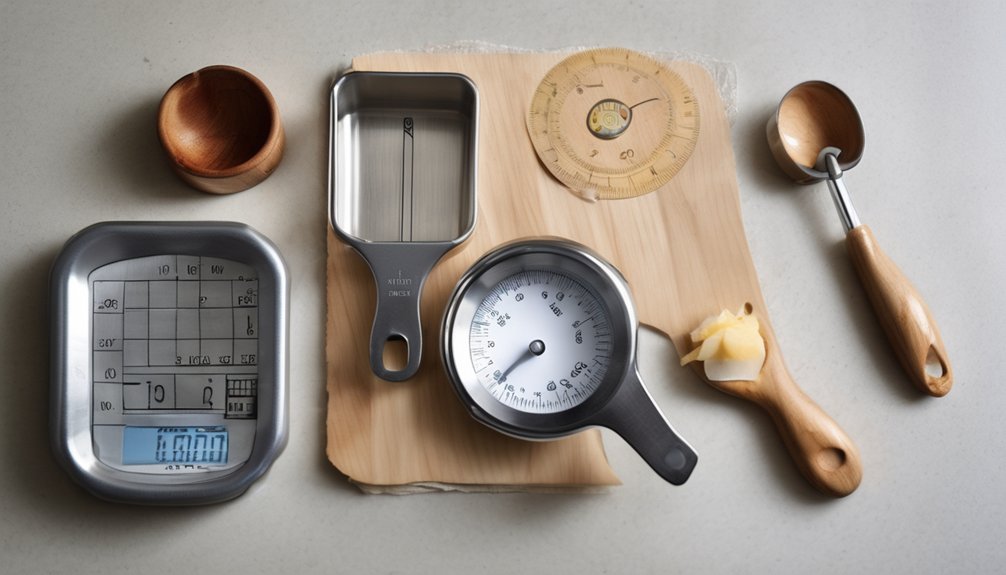
- Use dry measuring cups for flour, sugar, and oats, then level the top with a straight edge.
- Use liquid cups for milk, broth, and oil, and read the mark at eye level.
- Use measuring spoons for small amounts, and round carefully when a recipe allows it.
If you’re doubling a recipe, write the converted amounts on a sticky note so you won’t lose track.
With a little practice, you’ll feel confident, stay organized, and cook like you belong in every kitchen.
Metric-to-Imperial Conversion Basics
Metric and imperial units don’t match perfectly, so you need a few reliable anchors to convert them with confidence.
You can think in simple pairs: 1 inch is about 2.5 centimeters, 1 foot is about 30 centimeters, and 1 kilogram is about 2.2 pounds.
These metric examples help you estimate quickly when you’re reading recipes, labels, or size guides.
If you prefer imperial examples, remember that 1 liter is a little more than 1 quart, and 1000 milliliters is close to 1 pint plus a bit more.
You don’t need perfection for everyday use; you just need a dependable sense of scale.
With a few anchors, you’ll feel at home switching between systems and making decisions faster.
Common Unit Conversion Mistakes
Those simple anchors are useful, but they can still trip you up if you apply them too loosely. You might mix up units, round too early, or forget whether you’re converting area, volume, or length. These conversion pitfalls can create measurement errors that ripple through your recipe, project, or estimate. You’re not alone; everyone slips when the numbers look familiar.
- Watch unit labels before you calculate.
- Keep square and cubic units separate.
- Double-check decimal placement after converting.
If you stay alert to each step, you’ll avoid most mistakes and feel more confident using everyday conversion tools. A quick pause helps you catch details, protect accuracy, and keep your work on track with the group.
Tips for Faster, More Accurate Conversions
When you convert often, a few small habits can save time and cut errors. Keep a few trusted online calculators and mobile apps ready, but always double-check the result with mental estimates. Use visual aids, like marked rulers or measured cups, so your eyes and hands stay in sync. Conversion charts on your fridge or desk can help you spot patterns fast.
| Tool | Best Use | Tip |
|---|---|---|
| Online calculators | Quick checks | Verify units first |
| Mobile apps | On-the-go help | Save favorites |
| Conversion charts | Repeated tasks | Print a copy |
| Visual aids | Better estimates | Compare sizes |
| Notes | Personal shortcuts | Track common values |
You’re not alone in this; a simple routine keeps your conversions fast, accurate, and confident.
Frequently Asked Questions
Which Conversion Tool Works Offline Without Internet Access?
You can use a dedicated calculator app with offline functionality; it works without internet access and keeps things simple. Choose one with a user friendly interface, so you’ll feel confident, included, and ready anytime.
Are Voice-Enabled Conversion Tools More Accurate Than Manual Input?
Not always; you’ll get similar results if your voice recognition accuracy is strong. Manual input still wins when you need exact control, while voice tools improve user experience impact and help you feel included.
Can Conversion Apps Store My Most-Used Measurement Presets?
Yes, you can usually save your most-used measurement presets, and smart preset management keeps your user preferences handy. You’ll switch faster, feel right at home, and spend less time reentering values each time.
Do Simple Conversion Tools Support Less Common Units Like Furlongs?
Yes, some do, but it’s a mixed bag. You’ll find furlong conversions in tools with broad unit availability, though niche units may hide like needles in hay, so check their lists before you rely on them.
Which Tools Can Convert Between Temperature, Volume, and Weight?
You can use apps like Unit Converter, Calculator Plus, or Convert Units Pro to handle temperature scales, weight units, and volume conversions while keeping measurement accuracy high and helping you feel part of a confident community.
Conclusion
In the end, you can make everyday measuring simple by choosing the right tool and checking your units before you start. Whether you’re cooking, traveling, or tackling a project, a quick converter or chart can save time and prevent mistakes. Remember, a stitch in time saves nine, so taking a moment to confirm your numbers now can spare you bigger problems later. With a little practice, you’ll convert confidently and work more efficiently.