How to Convert Cups, Ounces, and Milliliters
Did you know 1 cup equals 8 fluid ounces, but about 237 milliliters? That small gap can throw off a recipe if you don’t convert carefully. You can get close fast with simple ratios, but liquids, dry ingredients, and ingredient density don’t behave the same way. Once you see where the numbers shift, you’ll know when a quick swap works—and when it doesn’t.
Key Takeaways
- 1 cup equals 8 fluid ounces, 1/2 cup equals 4, 1/4 cup equals 2, and 1/8 cup equals 1.
- To convert fluid ounces to milliliters, multiply by 29.57.
- Use U.S. fluid ounces, since weight ounces measure mass, not volume.
- Measure liquids at eye level in liquid cups and level dry ingredients without packing.
- Avoid rounding too early, and use a scale for precise or tricky conversions.
Cups vs. Ounces vs. Milliliters Explained
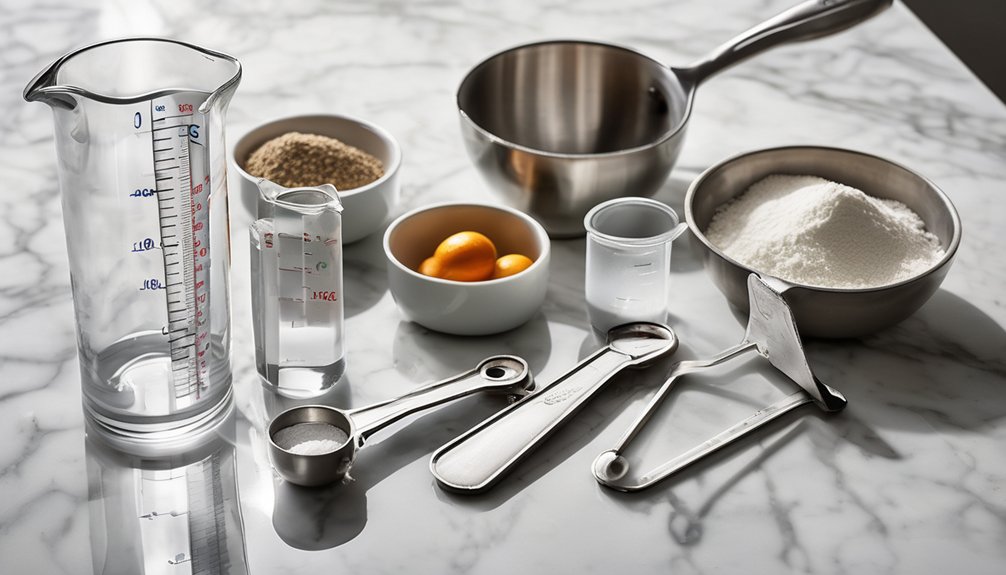
Cups, ounces, and milliliters all measure volume, but they aren’t interchangeable without context. You need to know which measurement standards your recipe uses, because unit differences change results.
A cup is a kitchen volume unit, an ounce can mean fluid volume or weight, and milliliters follow metric liquid measurements. For conversion accuracy, you should check whether you’re measuring water, milk, oil, or a dry ingredient, since density factors affect what a given amount means.
That’s why cooking precision matters when you make recipe adjustments. If you belong to a kitchen community that values consistency, keep one reference chart handy and note ingredient variations.
That’s why cooking precision matters when you adjust recipes; keep a reference chart handy and account for ingredient differences.
With the right unit choice, you can cook confidently, reduce guesswork, and get reliable results every time.
Common Cup-to-Ounce Conversions
A few common cup-to-ounce conversions can make everyday cooking much easier: 1 cup equals 8 fluid ounces, 1/2 cup equals 4 fluid ounces, 1/4 cup equals 2 fluid ounces, and 1/8 cup equals 1 fluid ounce. When you keep these cup measurements in mind, you can scale recipes with confidence and stay aligned with the group at the table.
| Cup measurement | Ounce equivalent |
|---|---|
| 1 cup | 8 fluid ounces |
| 1/2 cup | 4 fluid ounces |
| 1/4 cup | 2 fluid ounces |
Use these ounce equivalents to check portions before you mix, pour, or divide ingredients. You won’t need guesswork, and your results will stay consistent. That’s especially helpful when you’re following shared recipes and want to cook with ease, accuracy, and a sense of belonging.
How to Convert Ounces to Milliliters
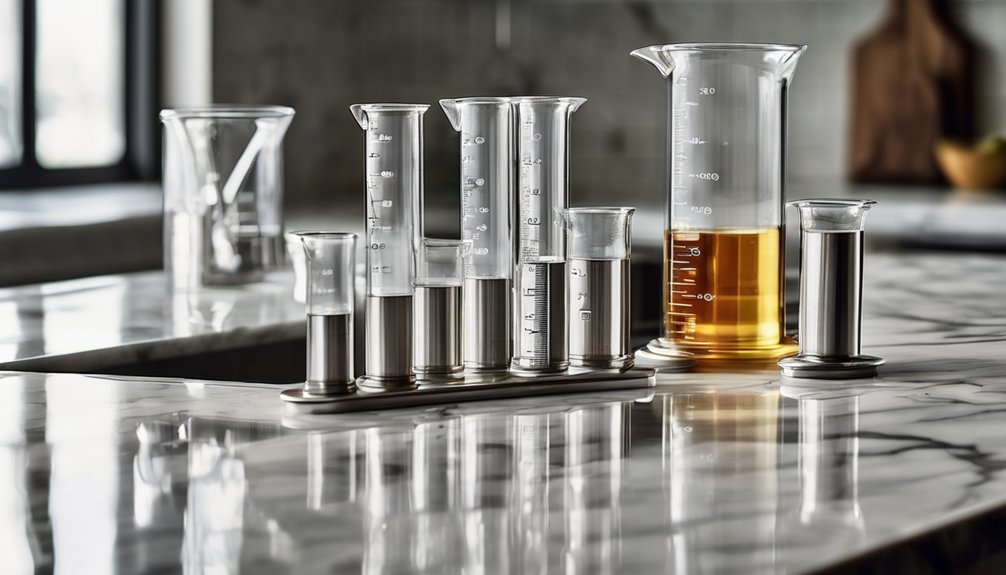
To convert ounces to milliliters, multiply the number of fluid ounces by 29.57, since 1 fluid ounce equals about 29.57 milliliters.
Use this ounce measurement when you need a dependable estimate for recipes, drink mixes, or lab notes. Because fluid ounces and milliliters don’t match exactly, round only when your task allows it.
Use this ounce measurement for dependable estimates in recipes, drink mixes, or lab notes, and round only when needed.
You can trust simple conversion methods, but stay consistent with your units so your results stay clear and shared easily.
- Check whether you’re using U.S. fluid ounces.
- Multiply by 29.57 for a solid estimate.
- Keep a calculator nearby for quick work.
- Round only when precision isn’t critical.
- Save practical tips that fit your routine.
Cup-to-Milliliter Conversion Chart
A cup-to-milliliter conversion chart gives you a fast reference when you need exact measurements for cooking, baking, or mixing drinks. Use it to match standard cups to milliliters quickly, so you can stay confident and on track.
When you follow reliable cup measurement techniques, you reduce guesswork and keep your results consistent. For dry or liquid ingredients, level the cup carefully and compare it with the chart before you pour.
If you need stronger milliliter accuracy tips, check your measuring tool for clear markings and read at eye level. You’ll work better when your kitchen math is simple, shared, and dependable.
A good chart helps you move smoothly between systems and keeps your recipes aligned, whether you’re cooking for yourself or for others.
Ounce-to-Cup Conversions for Quick Checks
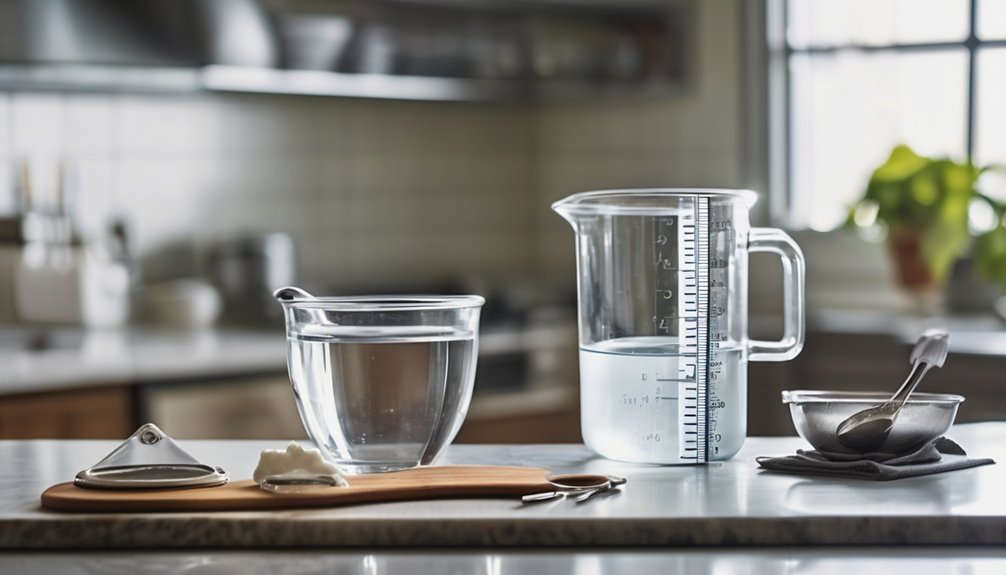
Quick ounce-to-cup checks help you convert small amounts without stopping to do full calculations. You can use the simple rule that 8 ounces equals 1 cup, then scale from there.
For 4 ounces, you’re at half a cup; for 2 ounces, you’re at a quarter cup. These quick conversion tricks keep you moving when you cook with confidence. Use ounce measurement tips like rounding to the nearest easy fraction, then verify the result before you pour.
- 1 ounce = 1/8 cup
- 2 ounces = 1/4 cup
- 4 ounces = 1/2 cup
- 6 ounces = 3/4 cup
- 8 ounces = 1 cup
With practice, you’ll join others who measure faster and make fewer mistakes.
Liquid vs. Dry Measuring
Although both tools measure volume, liquid and dry measuring cups aren’t used the same way. You pour liquid measuring cups to the line, then check at eye level for clean reading.
With dry measuring, you fill measuring cups, level the top, and avoid packing unless the recipe says so. These measuring techniques protect accuracy importance when you follow conversion tools in recipes and charts.
Dry measuring works best when you fill, level, and avoid packing unless the recipe specifies.
Keep both measuring cups within reach, because the right tool saves time and reduces guesswork. When you compare ingredients, remember ingredient density can affect how neatly a cup fills, so stay consistent.
If a recipe feels tricky, use scale usage as a backup for steady results. You’ll cook with more confidence, and your kitchen routine will feel like it fits you.
Why Some Ingredients Convert Differently
Even when you measure carefully, not every ingredient converts the same way because volume depends on how an ingredient sits in the cup. You’ll see this with ingredient density, moisture, and particle size, which create measurement variability.
Flour, sugar, and chopped herbs each pack differently, so your measurement tools can’t guarantee identical results every time. For better conversion accuracy, notice the ingredient state: sifted, packed, melted, or loosely filled all change the result.
Stay attentive to culinary precision by matching the unit to the ingredient, not just the recipe. Small recipe adaptation choices, like leveling a cup or whisking before scooping, support consistency.
With steady cooking techniques and clear expectations, you’ll feel confident working with many foods.
How to Scale Recipes Accurately
To scale recipes accurately, keep the original ratio intact and multiply every ingredient by the same factor, whether you’re doubling, halving, or tripling a batch. You’ll protect ingredient ratios and keep recipe scaling steady across your kitchen.
Use the same unit system, then check serving sizes before you make portion adjustments. For measurement precision, weigh ingredients when you can, especially in baking, where small changes affect baking accuracy and cooking consistency.
If a recipe serves four and you need eight, multiply each amount by two, then confirm the flavor balance still feels right.
You don’t have to guess; you can belong to the group of cooks who trust numbers, follow proportions, and turn scaling into a reliable, repeatable habit every time.
Common Conversion Mistakes to Avoid
When you convert cups, ounces, and milliliters, small mistakes can throw off a recipe fast. You can avoid them by checking units, using conversion tools, and keeping measurement precision steady. Your kitchen skills improve when you move with care and trust the numbers.
- Don’t confuse fluid ounces with weight ounces.
- Don’t pack dry ingredients unless the recipe says so.
- Don’t guess at cup size; use standard measuring cups.
- Don’t round too early when you convert milliliters.
- Don’t skip a second check for tricky ratios.
If you cook with the same group often, these habits help everyone stay aligned.
With practice, you’ll convert cleanly, follow recipes confidently, and keep each dish on track.
Frequently Asked Questions
How Many Milliliters Are in a Tablespoon?
A tablespoon holds about 15 milliliters, so your tablespoon measurement is easy to track in cooking conversions. You’ll usually measure 15 mL per tablespoon, helping you cook confidently and belong in any kitchen.
What Is the Metric Equivalent of a Pint?
A pint’s metric equivalent is about 473 milliliters—enough to drown a tiny kingdom. You’ll use this for pint usage and pint recipes, and you’ll fit right in when you measure with confidence.
Can I Use a Kitchen Scale Instead of Measuring Cups?
Yes—you can use a kitchen scale instead of measuring cups for many recipes. You’ll gain kitchen scale benefits and better measuring accuracy, especially in baking. You’ll also join cooks who value consistency, confidence, and less guesswork.
How Do I Convert Teaspoons to Ounces?
You convert teaspoons to ounces by dividing by 6, since 1 ounce equals 6 teaspoons. For teaspoon conversions, check the ingredient’s density; ounce measurements vary for liquids and solids, so use a reliable chart.
Which Measuring Tool Is Most Accurate for Baking?
A kitchen scale wins by a mile; it nails measuring accuracy for baking, especially with liquid conversions. You’ll feel like a pro, and your batter won’t betray you. Use it, and you’re in the reliable-bakers club.
Conclusion
With the right conversions, you can turn a recipe’s numbers into a clear path, like a compass guiding every pour and scoop. You’ll know that cups, ounces, and milliliters each have their place, and you’ll measure with confidence instead of guesswork. Keep liquid and dry tools separate, watch ingredient density, and double-check each step. When you do, your kitchen stays steady, and every dish comes out balanced, consistent, and true to plan.