How Much Water Should You Drink Each Day?
How much water you should drink each day depends on your size, activity, climate, and diet, but most adults do well with about 8 cups, or 2 to 3 liters, spread through the day. You can also get fluids from foods and other drinks. Thirst and pale yellow urine can help you gauge hydration, but there’s more to watch for if you want to avoid both dehydration and too much water.
Key Takeaways
- Most adults should aim for about 8 cups, or 2 to 3 liters, of total fluid daily.
- Needs vary by body size, climate, activity level, diet, and health conditions.
- Include water from tea, coffee, milk, soups, fruits, and vegetables in your daily total.
- Use thirst and pale yellow urine as practical signs that you are well hydrated.
- Drink steadily throughout the day, and avoid both dehydration and overhydration.
How Much Water Should You Drink Each Day?
How much water should you drink each day? You don’t need a perfect number to stay on track. For most adults, a simple target is about 8 cups a day, but your real need can differ.
Trust your thirst, and notice your urine: pale yellow usually means you’re well hydrated. Don’t get pulled in by hydration myths that claim everyone must force down huge amounts.
Trust your thirst, and check your urine: pale yellow usually signals healthy hydration.
You can count water sources beyond a glass, too: tea, coffee, milk, soups, fruits, and vegetables all contribute. If you’re active or in heat, you may need more, but start with steady, regular intake.
The goal is to feel alert, supported, and part of a healthy routine, not to chase extremes.
What Changes Your Water Needs?
Your water needs can change a lot from day to day. Climate effects, activity level, and age factors all shift how much fluid you lose. Diet influence matters too: salty meals, low-produce eating, and higher protein can raise needs. Certain health conditions, like fever or vomiting, also increase demand.
- Hot, dry weather speeds fluid loss.
- Hard workouts and long walks do, too.
- Caffeine intake and alcohol consumption can nudge dehydration risk.
- Medication effects, including some diuretics, may change your balance.
You’re not alone if your needs vary; that’s normal. Watch thirst, urine color, and how you feel, then adjust. If you live with a medical condition, follow your clinician’s guidance so you can stay steady, comfortable, and hydrated together.
How Much Water Do Most Adults Need?
Most healthy adults do well with about 2 to 3 liters of total fluid a day, which is roughly 8 to 12 cups, though exact needs vary by body size, climate, activity, and diet.
Most healthy adults do well with about 2 to 3 liters of total fluid a day.
You don’t need to force huge amounts; your daily intake can come from water, other drinks, and foods with high water content. A simple, steady pattern usually beats chugging all day.
Hydration myths often claim everyone needs the same amount, but that isn’t true. If you eat plenty of fruits, vegetables, soups, and yogurt, you may need less from plain water.
Aim for consistency, not perfection, and adjust when your routine changes. That practical approach helps you stay in step with your body and your community.
Signs You’re Not Drinking Enough Water
Not drinking enough water often shows up in small but noticeable ways before it becomes severe. You might feel tired, get headaches, or notice darker urine.
These dehydration symptoms can also include dry mouth, dizziness, and trouble focusing. Your body uses thirst signals to tell you it needs more fluids, so don’t ignore them.
If you’re active, in heat, or sick, you may notice these signs sooner. Stay tuned to how you feel during the day; you’re part of a group of people learning to read your body better.
- Thirst that keeps coming back
- Urine that looks dark yellow
- Low energy or brain fog
- Dry lips, skin, or mouth
Can You Drink Too Much Water?
Yes, you can drink too much water, though it’s uncommon for most healthy adults. When you keep drinking beyond your body’s needs, you can dilute sodium in your blood and develop water toxicity, also called hyponatremia.
That risk rises if you chug large amounts quickly, especially during endurance exercise or when you’re smaller, older, or managing certain medical conditions. Your goal is hydration balance, not constant overdrinking.
Pay attention to thirst, urine color, and how you feel; pale yellow usually signals you’re on track. If you’re in a group training, sweating heavily, or recovering from illness, check in with the plan you and your clinician trust.
You belong in the middle: well hydrated, not waterlogged.
Easy Ways to Drink More Water Daily
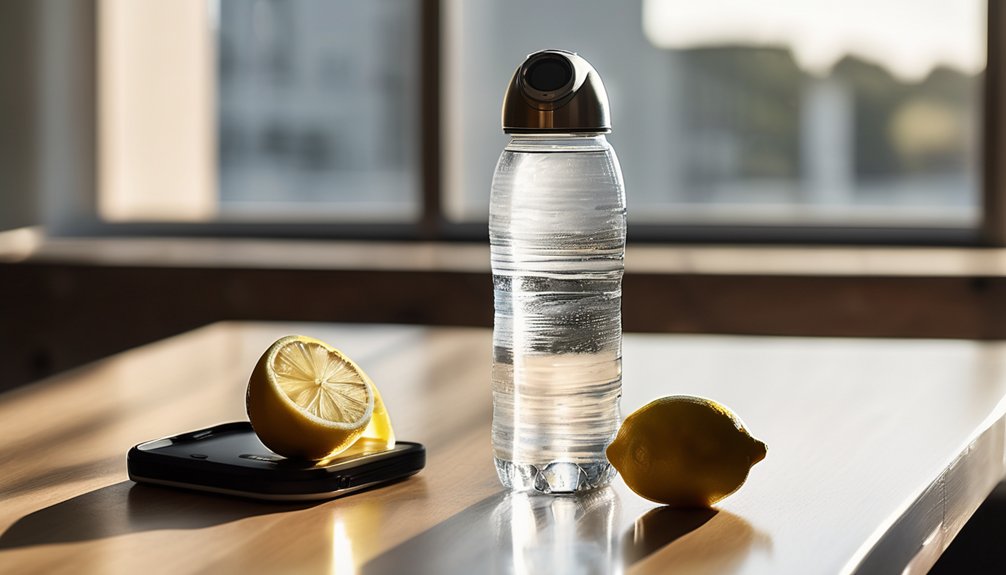
If you’re trying to drink more water each day, the easiest strategy is to make water the default choice and keep it within reach. You’ll drink more when a bottle sits on your desk, in your bag, or beside your bed. Small habits add up, and you can build them into your routine without feeling deprived.
Make water the easy choice by keeping it close, so sipping becomes part of your day.
- Start your morning with a full glass.
- Pair water with meals and snacks.
- Use water tracking to spot gaps and stay consistent.
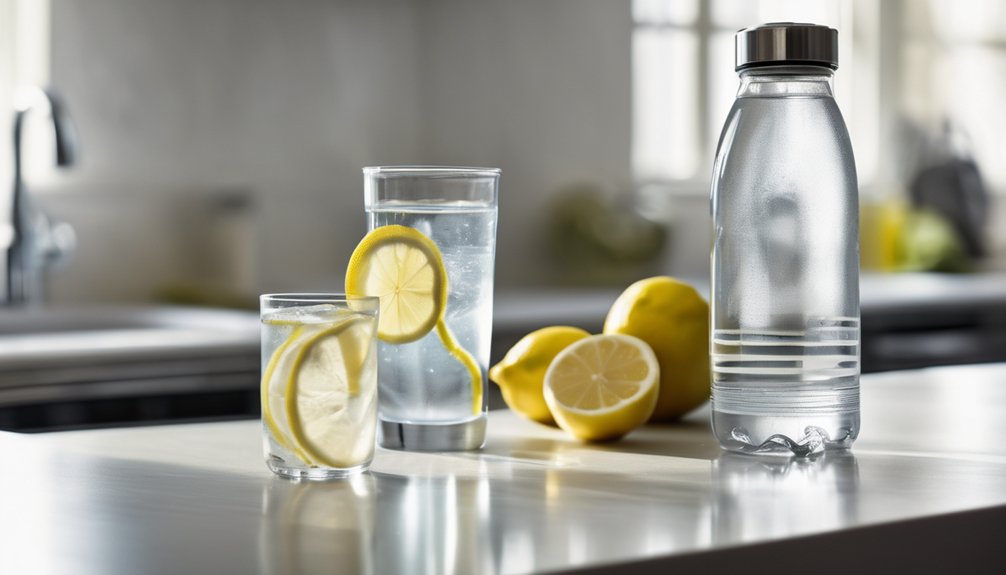
- Try flavor infusion with lemon, cucumber, or mint.
You don’t need perfection; you just need repeatable cues that fit your day. Join the many people who rely on simple reminders, and you’ll make hydration feel natural instead of forced.
Hydration Tips for Workouts and Hot Weather
When you’re active or sweating in heat, your water needs rise, so regular sipping matters more than waiting until you feel thirsty. Before exercise, drink a glass or two of water, then keep a bottle nearby and take small sips every 15 to 20 minutes.
If you’re working out longer than an hour, or sweating heavily, choose a drink with sodium and carbs to support hydration strategies and maintain performance.
Afterward, replace fluids gradually and check your urine; pale yellow usually means you’re on track.
In hot weather, wear light clothing, seek shade, and avoid alcohol before long outdoor sessions. These simple habits help you stay strong, recover faster, and keep up with your people safely.
Frequently Asked Questions
Does Coffee Count Toward Your Daily Water Intake?
Yes, coffee does count toward your daily fluid intake. You can rely on coffee hydration, though caffeine effects may slightly increase urination. For most people, moderate coffee still contributes meaningfully to staying hydrated.
Do Children Need the Same Amount of Water as Adults?
No, you don’t need to give kids the same amount as adults. Age considerations shape hydration differences, so you should adjust intake by size, activity, and climate. Think of it like a modern guild—everyone’s needs vary.
Is Sparkling Water as Hydrating as Still Water?
Yes—sparkling water hydrates you just like still water. Don’t buy hydration myths; carbonation doesn’t reduce sparkling benefits. If it’s unsweetened, you can drink it confidently and feel included while staying well hydrated.
Should You Drink Water Before Bed?
Yes—sip water before bed if you’re thirsty, but don’t guzzle it. Like a gentle tune, bedtime hydration can curb nighttime thirst without disrupting sleep. You’ll feel better when you balance comfort, needs, and rest.
How Does Pregnancy Affect Hydration Needs?
Pregnancy increases your hydration needs, so you’ll usually need more fluids to support blood volume, amniotic fluid, and digestion. Follow hydration tips, sip often, and don’t ignore pregnancy cravings for water-rich foods and drinks.
Conclusion
You don’t need a miracle formula to stay hydrated—just steady, sensible habits. Most adults do well with about 8 cups of water a day, but your climate, activity, diet, and health can shift that need. Watch your thirst and aim for pale yellow urine. Sip throughout the day, and add more during workouts or hot weather. If you overdo it or fall short, your body will usually let you know fast.