How Much Mulch, Soil, or Gravel Do You Really Need?
Before you buy mulch, soil, or gravel, you need to know the space you’re covering and how deep the material should go. A thin layer won’t do the job, but too much wastes money and can cause problems later. The right amount depends on the project, the material, and how it settles. Once you measure the area and figure the depth, the math gets easier—but one detail can still change everything.
Key Takeaways
- Measure the area first by sketching the space and calculating length × width, or breaking irregular shapes into smaller sections.
- Multiply area by the desired depth to get total volume needed in cubic feet or cubic yards.
- Use typical depths: mulch 2–3 inches, soil 4–12 inches, and gravel 2–4 inches, depending on the project.
- For flower beds, measure from the soil surface and keep mulch away from plant crowns.
- Convert the final volume into bags or cubic yards, and order a little extra to avoid running short.
How Do You Measure Area for Mulch, Soil, or Gravel?
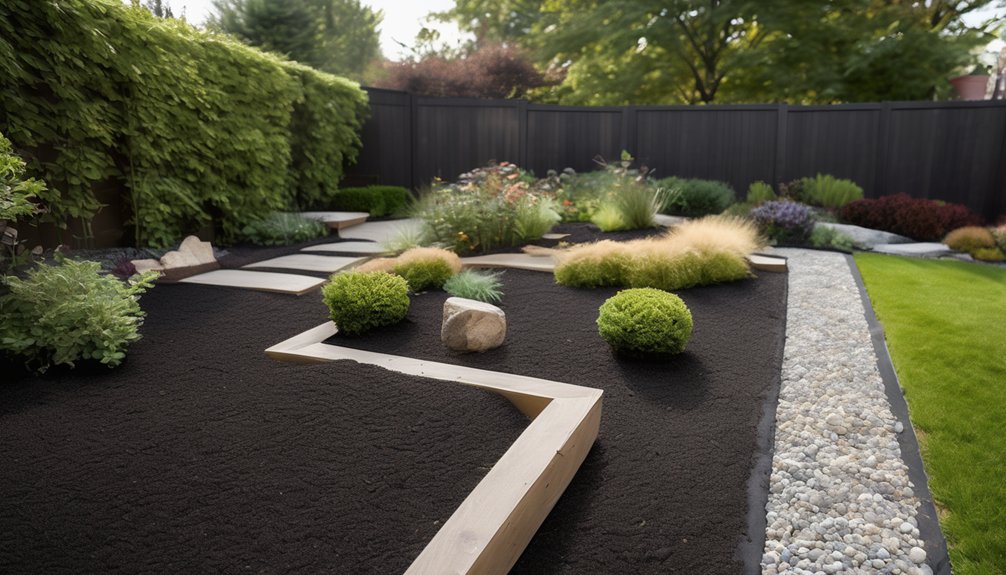
Before you buy mulch, soil, or gravel, measure the area you want to cover in square feet. Grab a tape measure and map the shape, one section at a time. For a rectangle, multiply length by width.
For an L-shape or curved bed, split it into smaller blocks, measure each part, then add them together. That’s your area measurement, and it gives you a solid starting point.
Keep your notes simple: sketch the space, label each side, and check the material dimensions of the bag, scoop, or bulk delivery you plan to use.
Sketch the space, label each side, and check the material dimensions before you buy.
When you know the footprint, you can shop with confidence, avoid waste, and join the crowd of homeowners who get the job done right the first time.
How Do You Calculate Material Volume?
Once you know the area, multiply it by the depth you want to cover to get the volume you need. That’s the core of the volume formulas you’ll use for mulch, soil, or gravel, and it keeps your project on track.
Picture your space as a simple box: length, width, and depth. Use the same units all the way through, then convert if needed.
- Area in square feet times depth in feet gives cubic feet.
- Area in square yards times depth in yards gives cubic yards.
- Check material density, since bags and truckloads can differ.
When you calculate this way, you’re joining the neighbors who plan smart and buy once. It’s a clean estimate, and it helps you order enough without guessing.
What Depth Do You Need for Each Material?
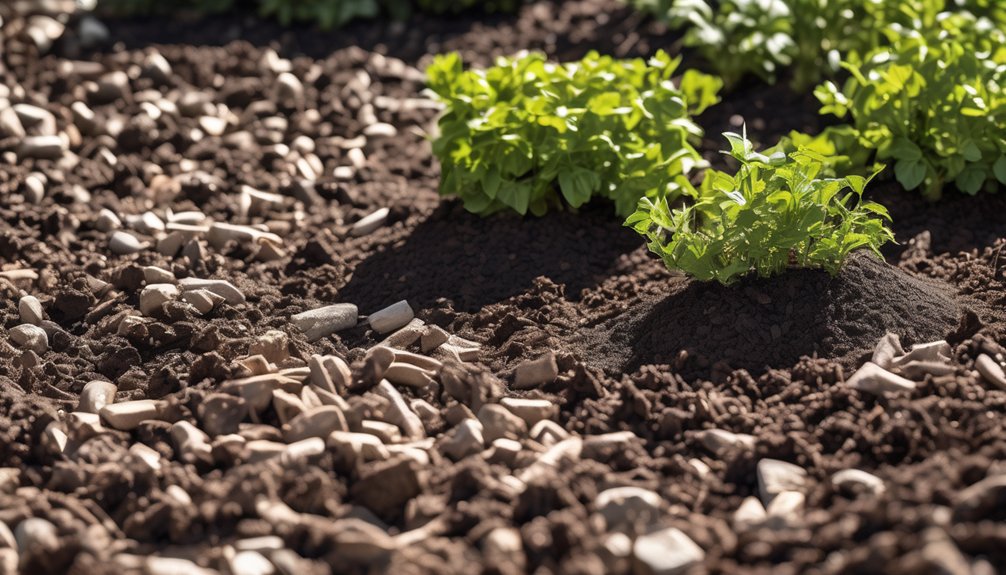
The right depth depends on the material and the job you want it to do. For mulch thickness, aim for enough to cover the surface without smothering plants. For soil layering, build only as deep as your roots need. For gravel depth, think support, path comfort, and drainage importance. Different material types change the feel of your space, and the right depth boosts garden aesthetics while keeping upkeep sane.
| Material | Depth | Why it matters |
|---|---|---|
| Mulch | 2–3 in. | Holds moisture |
| Soil | 4–12 in. | Supports roots |
| Gravel | 2–4 in. | Improves drainage |
Seasonal considerations matter, too. You’ll work smarter when you match depth to weather, use maintenance practices that fit your site, and trust your eye. You’re building a space that feels like yours.
How Much Mulch Do Flower Beds Need?
For flower beds, you’ll usually want 2 to 3 inches of mulch spread evenly over the soil. That layer gives you the right balance: it looks clean, feels inviting, and helps your plants thrive.
Adjust for flower bed types, since shade beds and sunny borders can need different coverage. Thicker mulch can smother stems; thinner mulch lets weeds sneak in.
- Measure from the soil, not the top of old mulch.
- Keep mulch a few inches from plant crowns and stems.
- Refresh it when you see bare spots or fading color.
These mulch benefits matter because they help hold moisture, steady soil temperature, and reduce weeds.
When you match the depth to your beds, you create a neat, shared garden space that supports every bloom.
How Much Soil Do Raised Beds Need?
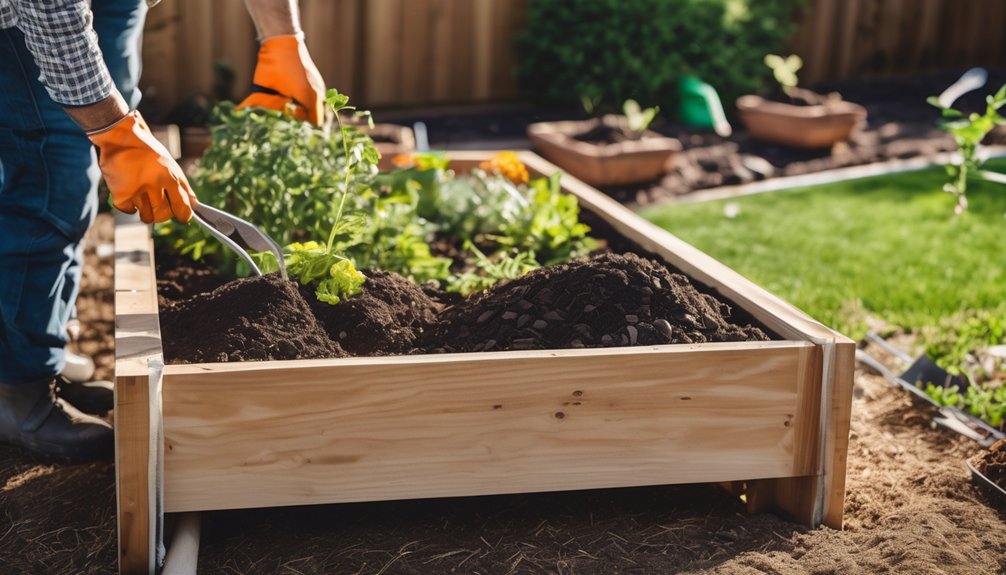
Most raised beds need enough soil to fill them nearly to the top, usually leaving about 1 to 2 inches of space below the rim so water won’t spill over when you irrigate. Measure your raised bed dimensions first, then calculate length × width × depth. That gives you the volume you’ll need. | Bed size | Depth | Soil needed |
| — | —: | —: |
|---|---|---|
| 4×8 ft | 12 in | 32 cu ft |
| 4×4 ft | 12 in | 16 cu ft |
| 3×6 ft | 18 in | 27 cu ft |
Choose soil types that feel right for your plants and your crew: loose, fertile, and well-draining. If you’re building a shared garden, match the mix to everyone’s growing goals. A full bed helps roots settle fast and makes your space feel ready to grow.
How Much Gravel Do Paths and Driveways Need?
Gravel paths and driveways need enough material to create a stable base and a finished surface that sheds water and holds up under traffic.
You’ll usually need a layered look: compacted gravel below, finer gravel above, and a clean top. That mix gives you path stability and a surface that feels solid underfoot and under tires.
- Use gravel types that match the job, from coarse base rock to smaller finish stone.
- Spread evenly so the surface stays level and looks tidy.
- Top up worn spots before ruts start to show.
When you picture the finished space, aim for a neat, even blanket that blends into your landscape and feels welcoming every time you walk or drive across it.
What Affects How Much You Need?
The amount you need depends on the area’s size, the material’s depth, and how much settling you expect after spreading it.
Different material types cover differently: mulch fluffs up, soil packs down, and gravel leaves small gaps. Your coverage factors change with surface conditions, too; rough ground or soft edges can take more than a smooth, firm base.
Project scale matters as well, because a small bed and a wide yard won’t behave the same. Choose installation techniques that match the job, whether you rake, grade, or tamp.
Climate considerations can shift need, since rain, heat, and wind affect loss. For plant requirements, think root depth and moisture.
Then balance budget constraints so you get enough without overbuying.
How Do You Convert Volume Into Bags or Yards?
To convert a needed volume into bags or cubic yards, start with the space’s dimensions and multiply length × width × depth. This area calculation gives you cubic feet, which you can use for volume conversion. For large spaces, divide by 27 to get cubic yards; for bagged material, compare your result with bag sizes on the label.
- Check material density, because mulch, soil, and gravel all weigh differently.
- Watch weight factors so your truck, crew, or wheelbarrow can handle the load.
- Use the numbers for project planning and cost estimation before you buy.
When you see the math clearly, you’ll know you’re not guessing—you’re choosing the right amount with confidence and fitting in with the pros.
How Do You Order the Right Amount?
Once you know the volume you need, order a little extra so you don’t come up short during installation. That small cushion helps you level edges, fill low spots, and match the final look.
When you compare material types, remember they settle differently: mulch compresses, soil compacts, and gravel shifts. Use ordering tips from your supplier, and ask how they measure loads, bags, or yards. If you’re working across a large area, round up to the next half yard or full bag count.
Keep your receipt and confirm delivery before you spread anything. With the right amount on hand, you can work confidently, stay on schedule, and finish with a clean, even surface that looks like it belongs there.
Frequently Asked Questions
How Do I Account for Irregularly Shaped Landscaping Areas?
Break the area into simple shapes, then use measuring techniques and shape calculations for each section. Sketch it, note lengths and widths, and add the totals. You’ll get a close fit without wasting materials.
Should I Add Extra Material for Settling or Compaction?
Yes—add a little extra for settling and compaction. You’ll usually want 5–10% more, depending on settling factors and compaction methods. That way, your finished surface looks even, feels complete, and belongs with the space.
Can I Use the Same Formula for Sloped Surfaces?
Not exactly—you’ll need slope adjustments because material thickness changes on inclines. You calculate coverage on the actual surface, not the flat footprint, so add a bit more to keep your layer even and secure.
What Tools Help Measure Large Outdoor Spaces Accurately?
Like Odysseus charting his course, you can measure large spaces with measuring tapes, wheel measures, and area calculators. You’ll map lengths, confirm corners, and estimate accurately, so your project feels right and your crew belongs.
Does Mulch or Gravel Weight Affect Delivery Limits?
Yes—mulch and gravel weight can affect delivery limits because delivery weight depends on material density. You’ll need more truck space for dense gravel, while lighter mulch lets you haul more volume. Check limits before you order.
Conclusion
So, when you measure your space and match the right depth, you take the guesswork out of the job. A 3-inch mulch layer can cut weeds and lock in moisture, while a 4-inch gravel base can improve drainage fast. That’s powerful—because over 60% of landscaping waste comes from over-ordering or poor planning. Measure twice, order a little extra, and you’ll save time, money, and effort on every project.