Fence Calculator
You might think a fence calculator is only for simple jobs, but it can quickly sharpen your entire plan. You can measure your yard, figure post spacing, and account for gates or slopes before you buy materials. That means fewer surprises, less waste, and a clearer budget. If you want to avoid common mistakes and make smarter choices, there’s more to consider than just the total fence length.
Key Takeaways
- Measure the yard accurately, including corners, boundaries, and gate openings, before calculating fence needs.
- Add all fence side lengths, then subtract gate openings to find the total fence run.
- Divide the total run by planned post spacing, usually 6 to 10 feet, to estimate post count.
- Account for slopes, corners, and gate types to ensure the layout and materials fit the site correctly.
- Estimate materials and costs by listing posts, rails, hardware, and a waste buffer for budgeting.
What Is a Fence Calculator?
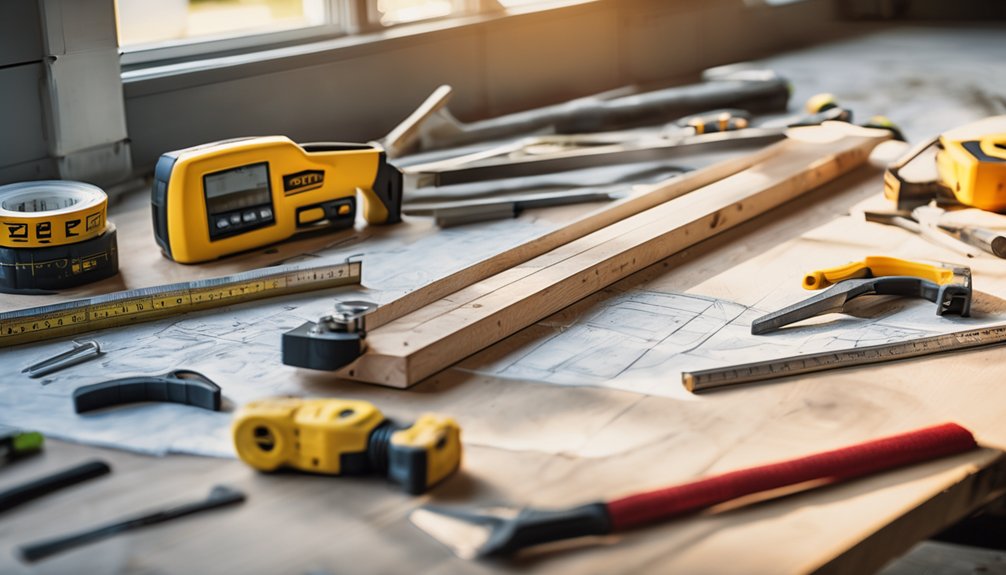
It gives you a simple way to feel prepared before you start, whether you’re building for privacy, security, or style. You can enter basic project details and get helpful numbers without guesswork. That makes it easier to stay on budget and choose options that fit your space.
Good installation tips often start with this step, because smart planning saves time and reduces waste. With a fence calculator, you’re not doing it alone—you’re joining a practical process that helps you build better.
Measure Your Yard for Fence Plans
Before you estimate materials or costs, you need accurate yard measurements for your fence plan. Walk your property with a tape measure, notebook, and a simple sketch. Mark each boundary, gate opening, and corner so your yard dimensions stay clear and organized.
Check local fence regulations before you start; they can limit height, placement, or setback rules.
- Measure along the property line, not guesswork.
- Note slopes, trees, and utilities.
- Record every side separately.
- Compare your sketch with a site plan.
- Keep one shared record for your project team.
When you measure carefully, you join other homeowners who plan with confidence. Good measurements help you feel ready, reduce surprises, and set up a fence that fits your space and your neighborhood.
Calculate Fence Length and Post Spacing
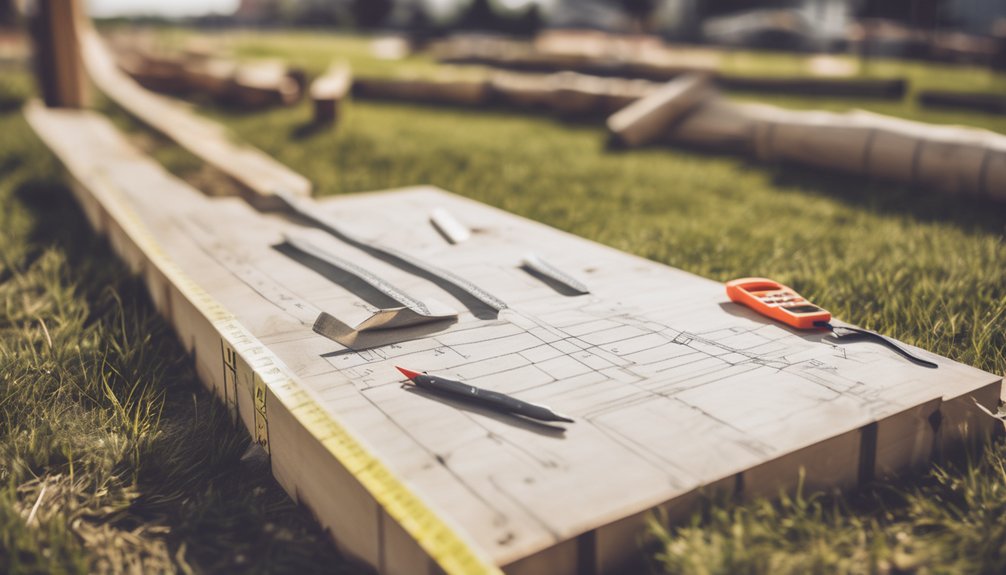
Once you’ve measured each side of your yard, add the lengths together to get the total fence run and then subtract any gate openings. That number tells you how much material you need and helps you compare fence styles with confidence. Next, divide the run by your planned post spacing to estimate post counts, usually 6 to 8 feet apart. Use this quick guide:
| Spacing | Posts per 100 ft | Best Use |
|---|---|---|
| 6 ft | 17 | Privacy |
| 8 ft | 13 | Standard |
| 10 ft | 10 | Light-duty |
Choose spacing that matches your installation tips and the strength of your fencing. Round up posts, then add a few extras so your project stays on track and feels manageable.
Account for Gates and Slopes
Gates and slopes can change your fence estimate more than you might expect, so measure each opening separately and subtract it from the total run before you buy materials.
Keep your layout friendly to the land and your neighbors by planning for:
- gate types that fit daily use
- swing clearance for doors and paths
- slope adjustments that keep rails level
- stepped sections for steeper grades
- posts set to match ground changes
You’ll avoid surprises when you mark corners, transitions, and access points.
If the yard rises or falls, don’t force one straight line; let the fence follow the terrain in sections. That approach looks cleaner, works better, and helps you feel confident your plan belongs in the space you share.
Estimate Materials and Total Cost
Now that you’ve measured the full layout, you can turn those numbers into a materials list and a realistic budget.
Start by matching the fence length to the right material types, such as wood, vinyl, chain link, or metal, then add posts, rails, panels, concrete, fasteners, and hardware.
Use your post spacing to estimate how many pieces you’ll need, and include gate parts separately.
Next, compare local prices and note cost factors like fence height, finish, panel size, and labor rates if you’re hiring help.
Add a small buffer for waste or cuts so your total feels dependable.
When you price everything together, you’ll know whether your project fits your plan and you can move forward with confidence.
Avoid Common Fence Calculator Mistakes
Even with a solid materials list and budget, small calculation errors can throw off your fence project. You can avoid them by checking each number before you buy, so your plan stays on track and you feel confident with the crew around you.
Measure twice, then compare your fence height, post spacing, and gate width against local rules. A fence calculator helps, but you still need to verify slopes, corners, and waste.
- Round lengths carefully
- Include post depth
- Add gate openings
- Account for slope
- Review installation tips
These steps keep your estimate accurate and your build smoother. When you catch mistakes early, you save time, money, and stress, and you build with the kind of clarity your neighbors respect.
Conclusion
A fence calculator is your project’s compass, helping you cut through the fog and map out materials, spacing, and costs with confidence. When you measure carefully, account for gates and slopes, and avoid common mistakes, your fence plan stands on solid ground. Instead of guessing in the dark, you can build with a clear path ahead. In the end, you’ll save time, trim waste, and make your yard feel finished and secure.