Daily Planner
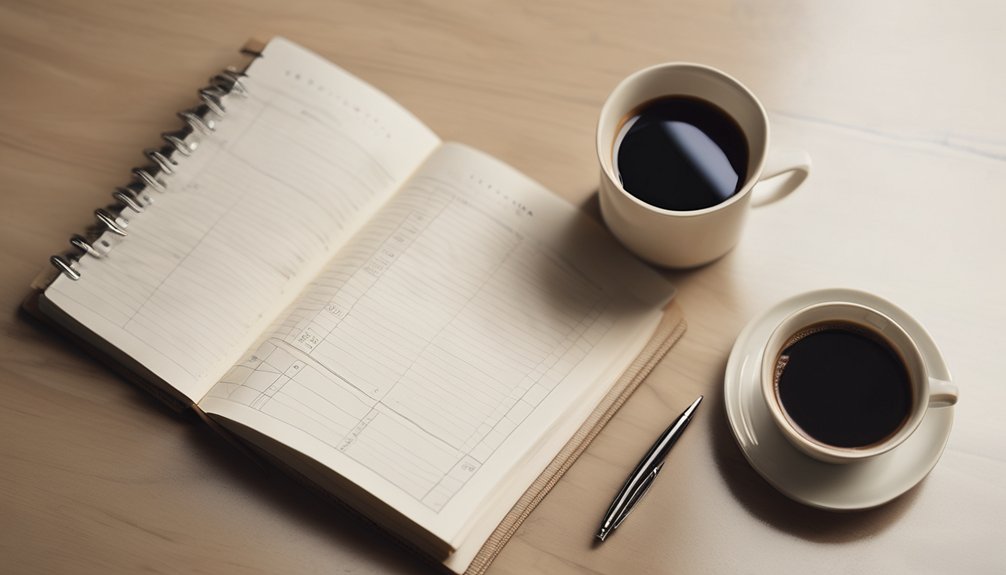
You might not realize that a daily planner does more than track tasks; it can shape how you think about your day. When you choose a format that fits your habits, you give yourself a clear system for planning, focusing, and reviewing progress. The right setup can turn scattered priorities into steady action, but the real difference comes from how you use it next.
Key Takeaways
- A daily planner helps organize tasks, goals, and reminders in one reliable place.
- Choose a planner size and layout that fits your workload, notes, and deadlines.
- Set up sections for priorities, tasks, calendar items, goals, and habit tracking.
- Review your planner each morning, break goals into actions, and check off completed tasks.
- Use time blocking and realistic time limits to improve focus and manage your day better.
What Is a Daily Planner
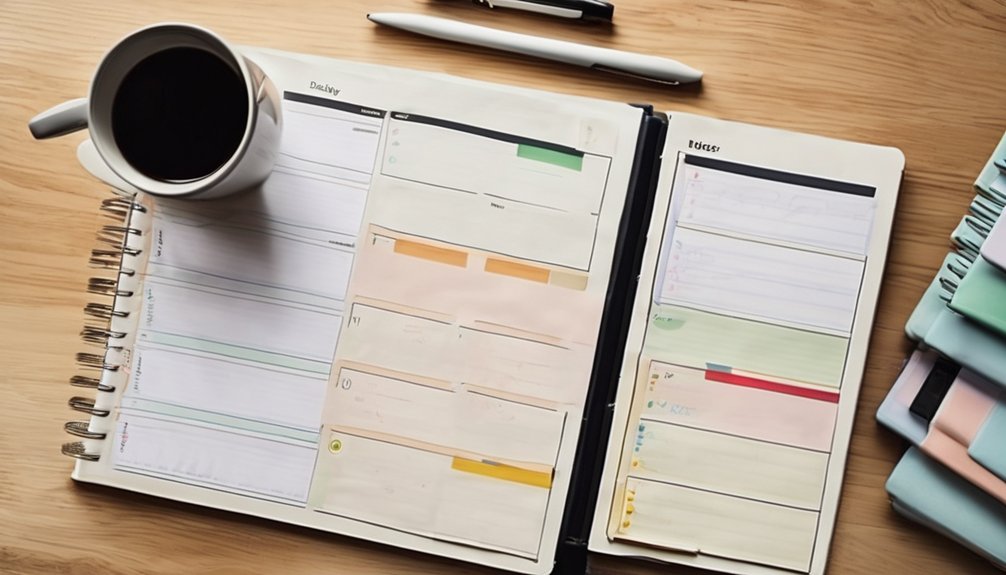
This system gives you clear structure, so you can move through your day with confidence and less stress. One of the main planner benefits is that it helps you make steady progress without feeling overwhelmed.
You can choose paper formats or digital planners, depending on what fits your routine. Either way, your planner becomes a reliable space where your goals, reminders, and daily actions stay together.
When you use it consistently, you join a community of people who plan ahead and get things done.
How to Choose the Right Planner
To choose the right planner, start by matching it to your daily habits, goals, and schedule demands. You’ll feel more confident when the format fits your planning styles and keeps you moving forward with others who value consistency.
- Pick planner types that suit your workload: weekly, daily, or monthly.
- Choose a size you can carry and use often.
- Select a layout that supports your goals, whether you need space for tasks, notes, or deadlines.
- Favor a design that motivates you to open it each day.
When your planner feels natural, you’re more likely to stay on track and belong to the group of people who make progress with purpose.
How to Set Up Your Planner
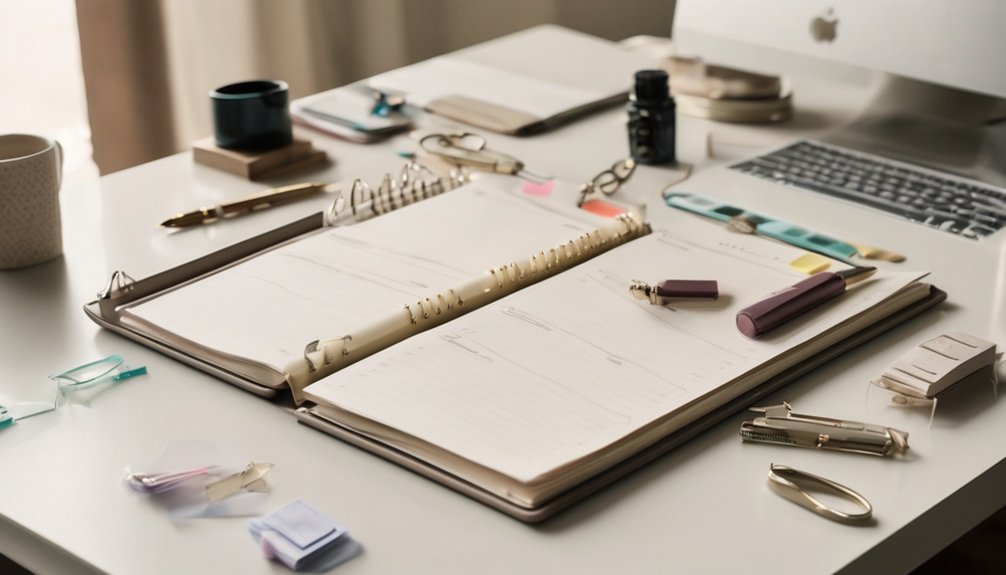
Once you’ve chosen the right planner, set it up so it matches the way you actually work. Start by labeling your sections clearly: calendar, priorities, tasks, notes, and goals.
Pick planner layouts that help you see your week or month at a glance, then add a few pages for habit tracking or project planning. If you prefer digital planners, create folders, tags, and templates so everything stays easy to find.
Keep your setup simple at first; you can always refine it as you learn what supports you best. Use color coding or symbols to create a shared system that feels familiar and motivating.
When your planner fits your rhythm, you’ll feel organized, confident, and part of a method that works for you.
How to Use a Daily Planner
When you use your daily planner consistently, it becomes a simple system for turning intentions into action. Start each day by reviewing your goals and choosing what matters most. Your planner gives you a place to focus, belong, and move forward with confidence.
- Write your top three priorities.
- Break big goals into small actions.
- Check off tasks as you finish them.
- Review what worked and adjust tomorrow.
Use clear goal setting to guide your choices, and rely on task prioritization to protect your energy. You don’t need perfection; you need steady progress.
When you write plans, follow through, and reflect, your planner helps you stay connected to your purpose and to the version of yourself you’re building.
Daily Planner Tips for Better Time Management
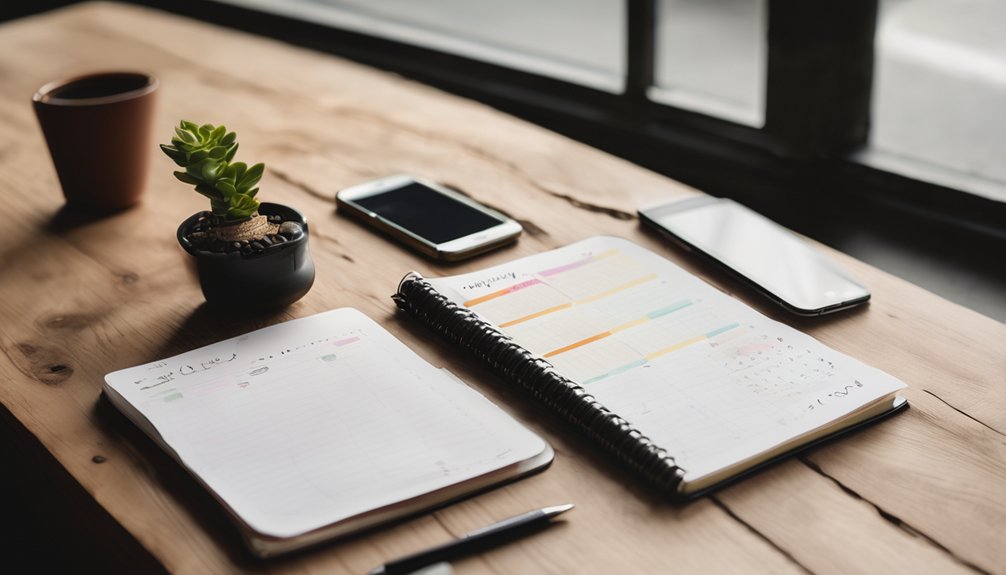
A daily planner helps you manage time better when you use it with intention, not just as a place to store tasks.
Start each day with goal setting, then break your priorities into clear steps. Use time blocking to protect focus for deep work, errands, and breaks, so your schedule supports progress instead of pressure.
You’ll stay more grounded when you assign realistic time limits and review what truly matters before you begin.
Keep your planner visible, update it often, and celebrate small wins as you complete them.
When you plan with purpose, you join a rhythm that helps you move forward with confidence, stay connected to your goals, and make each hour count.
Common Planner Mistakes to Avoid
Even the best daily planner can lose its value if you fall into a few common traps. You can stay on track by spotting planner pitfalls before they derail your day. When you overfill pages, skip review time, or ignore priorities, you create stress instead of momentum. We’ve all been there, but you can reset fast.
- List only what matters most.
- Avoid prioritization errors by ranking tasks honestly.
- Leave space for interruptions and wins.
- Review your plan each evening.
Use your planner to guide action, not to impress anyone. Keep it simple, and you’ll build a system that supports your goals and helps you feel like you belong in control.
Conclusion
A daily planner can be your steady guide, helping you move through each day with purpose. When you choose the right layout, set it up well, and review it often, you’ll stay focused and in control. Think of it like a compass, keeping you pointed toward your goals. Use it consistently, avoid common mistakes, and you’ll make progress without the chaos. Start today, and you’ll build stronger habits, one page at a time.