Home Maintenance Checklist
You might not realize that small maintenance tasks often prevent the biggest home repair bills. When you check your home on a regular schedule, you can catch leaks, worn filters, loose shingles, and failing alarms before they turn into expensive problems. A solid home maintenance checklist helps you stay organized through monthly, seasonal, and system-specific tasks, and knowing what to handle yourself—and when to call a pro—makes the difference.
Key Takeaways
- Test smoke and carbon monoxide alarms monthly, and replace batteries as needed.
- Check faucets, toilets, pipes, and shutoff valves for leaks or wear.
- Replace HVAC filters monthly and service heating or cooling systems seasonally.
- Inspect roofs and gutters for damage, debris, and proper drainage after storms.
- Clean appliances, drains, vents, and review utility bills for unusual changes.
Monthly Home Maintenance Checklist
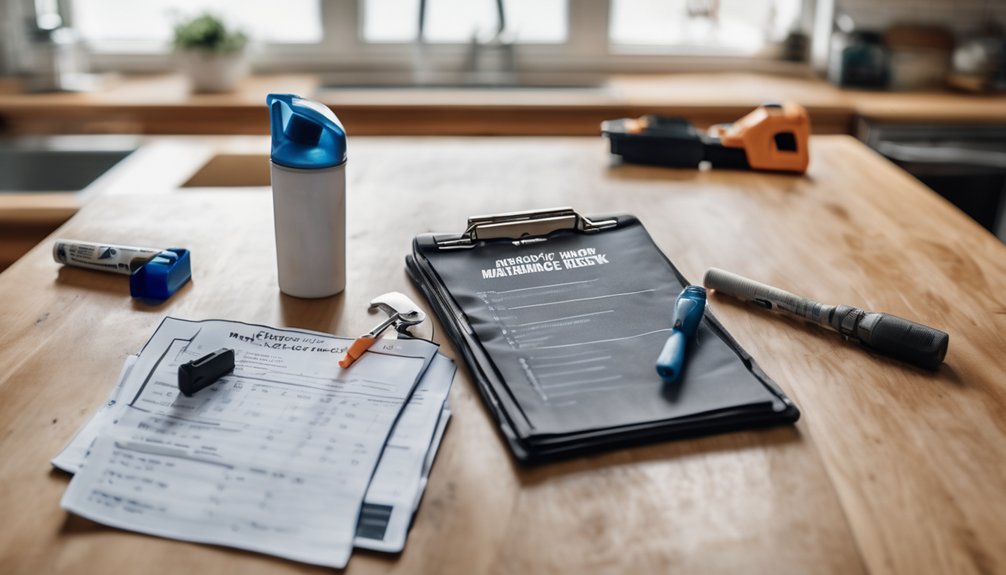
A solid monthly home maintenance checklist helps you catch small problems before they turn into expensive repairs. You can walk through each room, test smoke and carbon monoxide alarms, and replace batteries when needed.
Check faucets, toilets, and under-sink pipes for leaks, then tighten loose handles and inspect caulking. Change HVAC filters, vacuum vents, and clear dust so your system runs smoothly and supports energy efficiency.
Review your utility bills for sudden spikes, since they often signal hidden issues. Wipe appliance coils, clean garbage disposals, and confirm drains flow freely.
Outside, you can look for damaged siding, clogged gutters, and tripped breakers. Keep a simple log, and you’ll stay ahead of seasonal tasks while protecting your home and your peace of mind.
Spring and Fall Maintenance Checklist
When spring and fall arrive, you should tackle the bigger maintenance jobs that protect your home through the next season.
Start with seasonal cleaning inside: wash windows, dust vents, wipe baseboards, and swap out fabrics for the weather.
Test smoke and carbon monoxide alarms, replace batteries, and check your fire extinguishers.
Service your heating or cooling system so it runs efficiently when you need it most.
Then move outdoors for garden preparation: trim plants, refresh mulch, clean patio furniture, and inspect walkways for cracks or uneven spots.
Inside, look for peeling paint, drafty spots, and signs of moisture.
A steady routine like this helps you care for your space with confidence and keeps your home feeling welcoming for everyone.
Roof and Gutter Maintenance
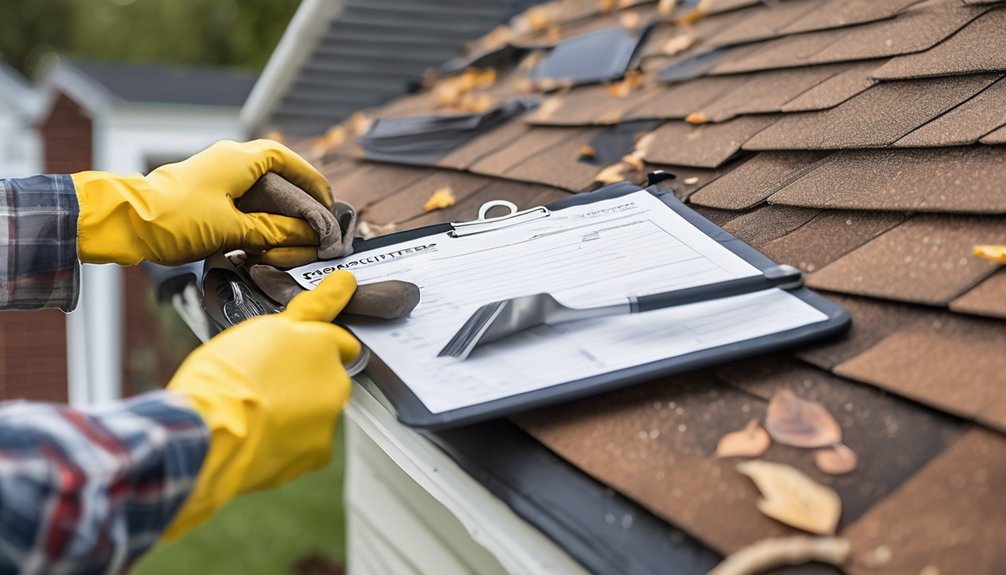
Keeping your roof and gutters in good shape helps prevent leaks, water damage, and costly repairs. You can stay ahead by scheduling roof inspections each season and after storms, so you catch missing shingles, cracked flashing, or sagging areas early.
From the ground, look for debris, dark streaks, or loose edges that signal trouble. Keep up with gutter cleaning to clear leaves, twigs, and grit, and make sure downspouts direct water away from your home.
If you spot moss or pooled water, address it quickly before small issues spread. A little routine care helps your home stay strong, dry, and welcoming for everyone inside.
When you build these habits together, you’re joining a smart group of homeowners who protect their homes and save money.
HVAC and Plumbing Checks
Once your roof and gutters are in order, turn your attention inside to the systems that keep your home comfortable and running smoothly.
Check your furnace filters every month and replace them when they look dirty; clean airflow helps your system work efficiently and keeps indoor air fresher.
Test your thermostat, listen for unusual noises, and make sure vents stay open and unblocked.
In the kitchen, bathrooms, and laundry area, look for plumbing leaks under sinks, around toilets, and near appliances.
Catching small drips early can save water and prevent damage.
Also, inspect supply lines and shutoff valves for wear.
When you stay on top of these basics, you’re protecting your home, supporting your household, and joining a community of owners who care for their space.
When to Call a Home Maintenance Pro
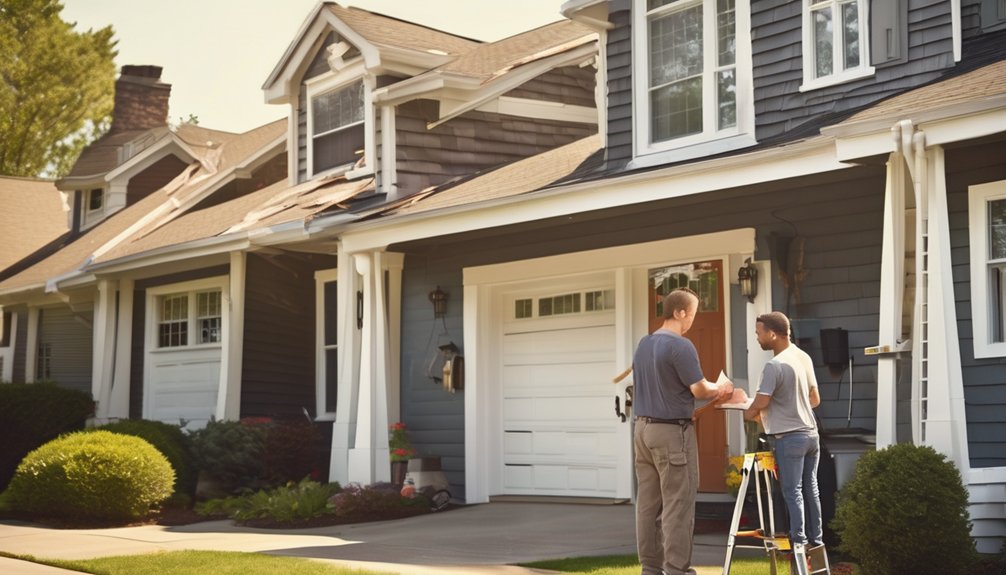
Some home maintenance jobs are safe and manageable on your own, but others call for a trained pro. You should hire help when a leak spreads, wiring sparks, or a breaker keeps tripping.
Call an expert if your roof sags, your foundation cracks, or you smell gas. A licensed technician can also handle major appliance failures, mold, and pest infestations that keep coming back.
During a home inspection, ask questions and note anything that could become urgent later. If you’re unsure, compare repair costs against the risk of injury or bigger damage.
When you bring in the right pro early, you protect your home, save time, and feel confident that your house is in good hands.
Conclusion
Keeping up with your home maintenance checklist is like oiling the gears of a well-run machine—it helps everything work smoothly. When you check alarms, clean gutters, inspect the roof, and stay on top of HVAC and plumbing tasks, you’re catching small problems before they grow teeth. Trust your routine, and call a pro when a fix is beyond your reach. A little care each season keeps your home safer, stronger, and ready for whatever comes next.