Home Maintenance Checklist
Keeping your home in good shape starts with a clear checklist you can use year-round. You’ll want to track monthly basics like smoke detector tests, filter changes, and quick plumbing checks, then adjust for each season as weather shifts. A simple log helps you spot small problems before they grow into expensive repairs. Once you know what to watch, the next step is deciding which tasks matter most first.
Key Takeaways
- Check leaks, alarms, filters, doors, windows, and locks regularly to catch small issues early.
- Inspect the roof, clean gutters, and remove debris monthly to prevent water damage.
- Maintain appliances and plumbing by cleaning seals, replacing filters, and checking for drips or stains.
- Do seasonal exterior and interior checks for siding, caulking, drafts, HVAC filters, and weatherstripping.
- Log completed tasks and keep tools nearby to stay organized and consistent.
Home Maintenance Checklist Basics
A well-kept home starts with a simple, repeatable routine. You can build your home maintenance checklist basics around preventive maintenance, so small issues don’t grow into costly repairs.
Focus on essential inspections that protect safety, comfort, and value: look for leaks, test alarms, check filters, and confirm doors, windows, and locks work properly. Keep a simple log so you know what you’ve checked and when.
When you stay organized, you’re joining other homeowners who protect their space with confidence. Tackle tasks in the same order each time, and keep tools and supplies nearby.
That consistency helps you notice changes early, make better decisions, and feel more at home in the place you care for.
Monthly Home Maintenance Tasks
Each month, take a focused pass through the tasks that keep your home running smoothly.
Check roof inspections from the ground, clear debris, and note any damage you’ll want to track. Handle gutter cleaning if you see buildup, since blocked gutters can cause trouble.
Do simple appliance maintenance by wiping seals, cleaning filters, and listening for unusual sounds.
Run plumbing checks under sinks, behind toilets, and near the water heater for drips or stains.
Test each smoke detector and replace weak batteries right away.
Improve indoor air quality by changing HVAC filters and dusting vents.
For pest control, look for entry points and food scraps.
Review exterior painting for peeling or bare spots so your home stays cared for and welcoming.
Seasonal Home Maintenance Tasks
As the seasons change, you’ll want to adjust your maintenance routine to match the weather and the demands on your home.
In spring and fall, handle outdoor maintenance by checking siding, walkways, and caulking, then move to roof inspections and gutter cleaning so water drains properly.
Inside, schedule interior inspections for leaks, drafts, and HVAC filters to protect energy efficiency.
Use seasonal upgrades like weatherstripping or smart thermostats to keep your household comfortable and connected.
Refresh your landscaping tips by trimming branches, clearing debris, and planning plant care before extremes hit.
Stay ahead with pest prevention by sealing entry points and removing standing water.
When you keep up with these tasks, you’re not just protecting your home—you’re joining the group of homeowners who stay ready year-round.
Spring Repairs to Tackle Early
When spring arrives, you should tackle repairs that winter may have exposed before small problems turn into expensive ones.
Start with roof inspections and gutter cleaning so water moves away from your home. Check siding, trim, and exterior painting for peeling or cracks, then seal gaps to protect your space and keep your neighbors’ block looking cared for.
Replace torn window screens before insects move in, and set up pest control where dampness lingers. As you move outside, include garden preparation by clearing debris, edging beds, and testing tools.
- Inspect shingles and flashing after storms.
- Flush gutters and downspouts fully.
- Touch up paint and caulk joints.
- Repair screens and reduce hiding spots.
Summer Safety Checks for Your Home
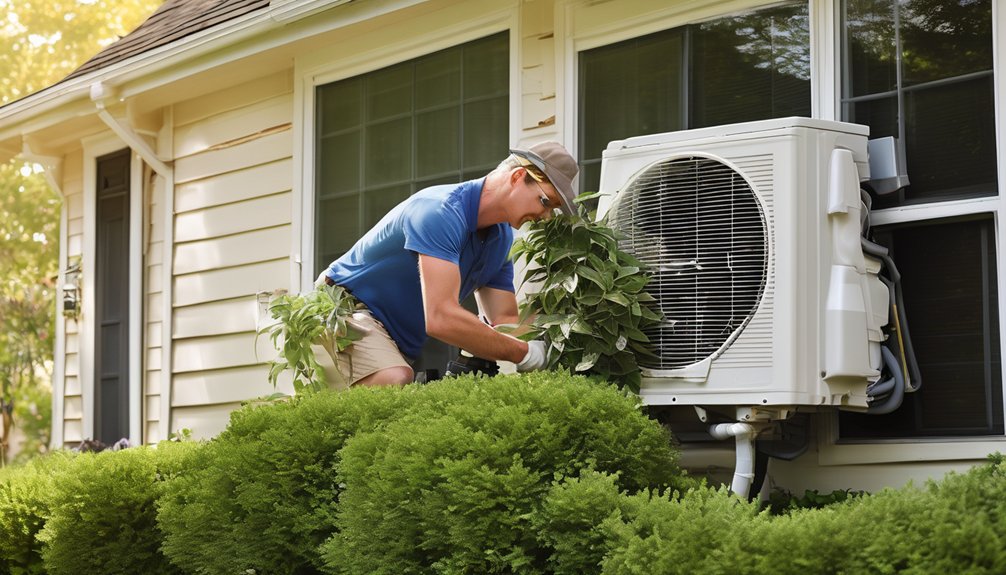
Summer heat can put extra strain on your home, so a few safety checks now can help you avoid preventable problems later.
Start with pool safety: test gates, locks, and drains, and keep rescue gear nearby. Inspect outdoor furniture for wobble, rust, or sharp edges.
Clean your grill, check hoses, and follow grill maintenance steps before every cookout. Keep air conditioning filters fresh so your system runs efficiently.
For sun protection, add shade where you relax and close blinds during peak hours. Use ladder safety whenever you trim branches or clean gutters.
Support pest prevention by sealing food, emptying standing water, and checking screens.
Stay on top of garden upkeep by removing debris and trimming overgrowth, so your summer space feels safe, welcoming, and ready for everyone.
Fall Tasks Before Winter Arrives
Cooler weather is your cue to get ahead of winter by handling a few key fall tasks around the house. Start with gutter cleaning so rain can move freely and you’re not dealing with messy backups.
Next, schedule a furnace inspection to catch worn parts before you need steady heat. You’ll also want to check doors and windows for gaps, tighten loose hardware, and replace worn weatherstripping.
Outside, trim back branches that could rub siding or drop debris during storms. Inside, test smoke and carbon monoxide alarms, then change batteries if needed.
These simple jobs help you feel prepared, connected, and confident as the season shifts.
- Clear leaves from gutters
- Book furnace inspection early
- Seal drafts around openings
- Test home safety alarms
Winter Protection Tips for Your Home
As winter settles in, protect your home by tackling a few preventative jobs before freezing weather creates costly problems.
Start with insulation upgrades in attics and basements, then add pipe insulation to exposed lines so they won’t burst.
Check draft sealing around doors, vents, and outlets to keep warm air inside.
Service your heating system now, replacing filters and confirming the thermostat works efficiently.
Schedule roof inspections and handle gutter maintenance so snowmelt can drain away cleanly.
Inside, choose heavier window treatments that reduce heat loss and add comfort.
These steps improve energy efficiency, lower bills, and help your household feel prepared together.
When you stay ahead of winter, you create a safer, cozier home for everyone.
How to Catch Small Problems Early
Small issues are easier and cheaper to fix when you spot them early, so make a quick habit of checking the parts of your home that wear down first. You’re not just protecting property; you’re caring for the place that supports your daily life.
During preventive inspections, look for drips, cracks, loose caulking, stains, and sticky doors. These signs often point to minor repairs you can handle before they grow.
- Check under sinks and around toilets for moisture.
- Scan ceilings and walls for new discoloration.
- Test windows, doors, and vents for gaps.
- Walk the exterior after storms for damage.
When you stay alert, you join a community of homeowners who prevent stress, save money, and keep home feeling solid.
Tools That Make Maintenance Easier
A few reliable tools can turn routine upkeep into quick, manageable tasks. You’ll feel more confident when you keep essential equipment close: maintenance kits, cleaning supplies, and safety gear for every season. Add a drill, sander, and other power tools when your DIY projects demand faster results.
| Tool | Use | Why it helps |
|---|---|---|
| Maintenance kits | Minor fixes | Keep parts together |
| Cleaning supplies | Surface care | Speed up chores |
| Safety gear | Protection | Reduces risk |
Use repair guides before you start, and follow simple organization tips so you can find what you need fast. When your tools stay ready, you’re part of a home care routine that saves time, cuts stress, and keeps your place in great shape.
Conclusion
Your home checklist is your steady compass, guiding you through each season with calm and care. When you test alarms, clear gutters, and log small fixes, you’re tending the roots before they strain the house. Those simple routines become a shield against bigger repairs and a promise of safety. Keep your tools ready, stay consistent, and you’ll protect your home’s heart, preserve its value, and enjoy a place that keeps working for you.