Habit Tracker
You may not realize that a habit tracker does more than record behavior; it helps you spot patterns that change your results. When you track the right actions, you turn vague goals into clear daily steps. The key is choosing a format you’ll actually use, then setting it up so it supports consistency instead of pressure. If you want lasting progress, the next step matters more than you think.
Key Takeaways
- A habit tracker is a paper chart, app, or checklist that helps you visualize daily effort and progress.
- It turns vague goals into visible actions, building consistency, confidence, and accountability over time.
- Choose a format that fits your lifestyle, such as digital for reminders or paper for tactile check-ins.
- Start with 3 to 5 important habits, add dates and notes, and keep the tracker visible every day.
- Avoid burnout by tracking only essential habits, keeping goals small, and focusing on progress over perfection.
What Is a Habit Tracker?
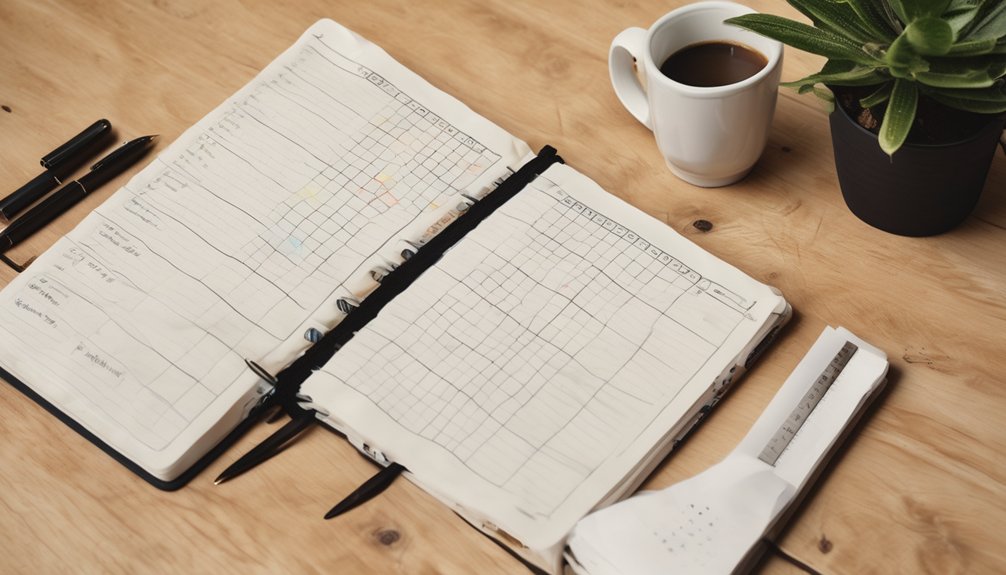
It can be a paper chart, app, or checklist, but its purpose stays the same: help you see your effort clearly. When you mark each day, you create momentum and keep your focus on tracking progress.
You’re not doing this alone; many people use the same system to build routines that fit their lives. A habit tracker gives you structure, accountability, and a clear path forward, so you can move with confidence and feel part of a community that values growth.
Why Habit Trackers Work
Habit trackers work because they turn vague intentions into visible action, and that makes it easier for you to stay consistent. You see progress, and that simple feedback strengthens your commitment day after day. Each checked box gives you psychological benefits: confidence, focus, and the sense that you’re part of people who follow through.
That matters because habit building isn’t just about discipline; it’s about creating behavioral change you can repeat. When you track a habit, you reduce guesswork and spot patterns faster, so you know what’s helping and what’s holding you back.
You also build momentum, and momentum keeps you moving when motivation dips. With every small win, you reinforce your identity as someone who shows up.
Choose the Right Habit Tracker Format
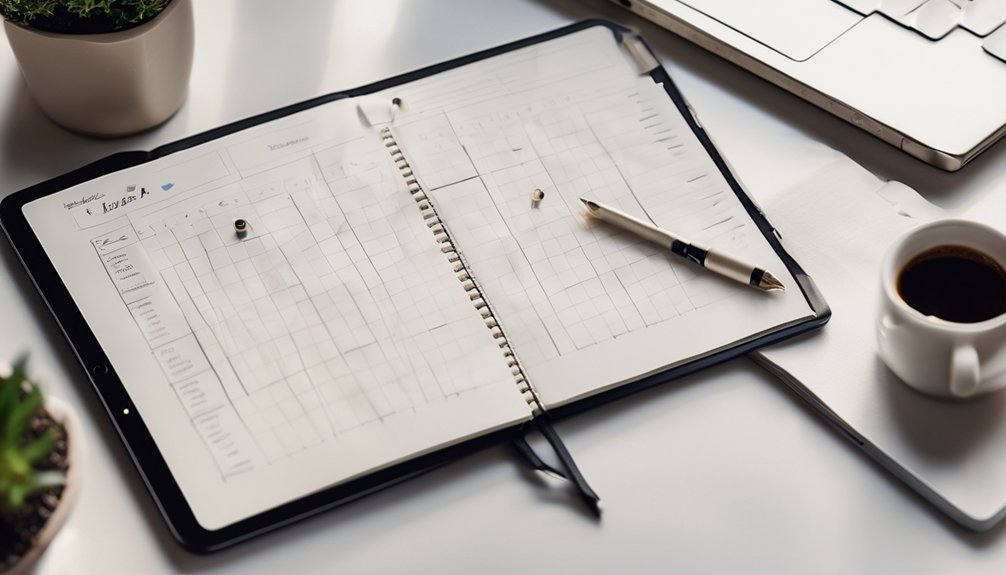
Which habit tracker format actually helps you stay consistent? You’ll stay stronger when the format fits your life and your people.
Digital options work well if you want reminders, quick edits, and easy progress reviews. Paper planners suit you if you love tactile check-ins, visual elements, and a sense of ritual.
Choose one with customization features that match your goals, so every mark feels personal and purposeful. Think about tracking frequency: daily habits need fast access, while weekly habits can live in a simpler layout.
When your tracker supports goal alignment, you’ll get motivation boosts from seeing momentum build. Pick the format that feels familiar, encouraging, and easy to return to, because belonging starts with a system you’ll actually use.
Set Up Your Habit Tracker Step by Step
Once you’ve picked a format, set up your habit tracker with a clear purpose so you can start strong and stay consistent.
First, choose 3 to 5 habits that support your goal setting, so your tracker feels focused and achievable.
Next, create simple columns for dates, checkmarks, and notes. Keep your layout clean so you can spot progress at a glance.
Then, assign each habit a clear cue, like morning or evening, and place your tracker where you’ll see it daily.
Add a short space for daily reflections, because quick insights help you stay connected to your progress.
Finally, review your tracker each week, celebrate wins, and adjust what isn’t working. You’re building a system that fits you and helps you grow with confidence.
Use Your Habit Tracker Without Burning Out

A well-set tracker can keep you focused, but it shouldn’t become another source of pressure. To avoid burnout, choose sustainable tracking: log only the habits that matter most right now.
Keep your goals clear, small, and flexible so you can win consistently. Build simple motivation strategies, like pairing tasks with a routine you already enjoy.
If you need support, lean on accountability partners who’ll cheer you on, not judge you. Use reward systems that feel meaningful, such as a break, a favorite snack, or time with your people.
Check in weekly, adjust when life gets busy, and remember that progress beats perfection. You’re not doing this alone; you’re building a rhythm that fits your life and keeps you moving forward.
Conclusion
You’ve seen how a habit tracker turns vague goals into daily wins. In fact, people are far more likely to stick with habits when they track progress consistently—some studies suggest your chance of success can jump by up to 80%. So pick a format, set one clear habit, and start today. Keep it simple, stay consistent, and celebrate small streaks. Your next breakthrough won’t come from perfection—it’ll come from showing up again.