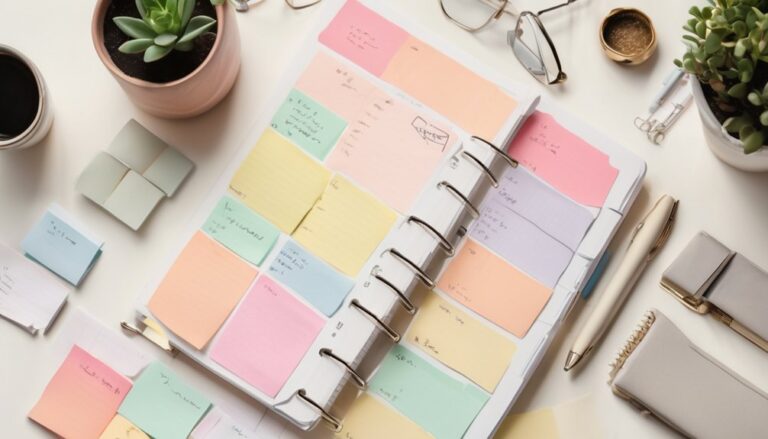
Goal Planner
A goal planner does more than list tasks; it turns vague ambitions into a system you can actually follow. You can use it to set clear targets, break them into milestones, and track progress without losing focus. When you build it around your habits, it helps you stay consistent even when motivation dips. The real difference starts when you treat it like a tool for decisions, not just reminders…
Key Takeaways
- A goal planner organizes deadlines, checklists, notes, and reflections into one clear system.
- It helps maintain focus by separating daily, weekly, and long-term priorities.
- Effective goal planners use SMART goals to make objectives specific and achievable.
- Break big goals into milestones with checkpoints to track progress and celebrate wins.
- Regular reviews, reminders, and accountability partners keep the planner useful over time.
What Is a Goal Planner?

It can include deadlines, checklists, notes, and reflections, so you always know what comes next. You might also add vision boards to keep your purpose visible and inspiring.
When you share your plans with accountability partners, you create support and encouragement that helps you stay connected to your goals.
A goal planner gives you structure without pressure, and it helps you feel like you belong to a community of people moving forward together, one step at a time.
How a Goal Planner Keeps You Focused
When you use a goal planner regularly, you keep your attention on what matters most instead of getting pulled in every direction. You can map your next steps, check your progress, and return to your priorities when distractions show up.
Clear sections help you see what’s due today, this week, and later, so you’re not guessing what to do next. Visual reminders keep your goals in front of you, which makes follow-through easier.
When you share updates with accountability partners, you build steady encouragement and feel part of a team that wants you to win. That sense of support helps you stay consistent, even on busy days.
With each planned action, you move forward with purpose and confidence.
Set Clear and Realistic Goals

Clear goals make your planner far more useful, because you know exactly what you’re working toward and why it matters. You can set targets that feel ambitious yet doable, so you stay motivated instead of overwhelmed.
Use the SMART criteria to shape each goal: make it specific, measurable, achievable, relevant, and time-bound. That structure helps you choose priorities that fit your life and your bigger purpose.
If you like, add a vision board beside your planner to keep your intentions visible and encouraging. When you write goals clearly, you create a shared sense of direction for yourself, and that can make every planning session feel more grounded and confident.
You’re not guessing; you’re building momentum with intention.
Break Big Goals Into Milestones
Break large goals into smaller milestones so they feel easier to tackle and track. You can turn one big target into a series of clear wins, and that keeps you moving with confidence.
Start with milestone mapping: list the major steps, then divide each step into doable actions you can finish this week. Add progress checkpoints so you can pause, review, and celebrate what you’ve completed.
When you see each milestone marked off, you’ll feel connected to your goal and to your own momentum. If one step takes longer than expected, adjust it without losing sight of the finish line.
This approach helps you stay focused, supported, and ready for the next win.
Design a Goal Planner You’ll Stick With
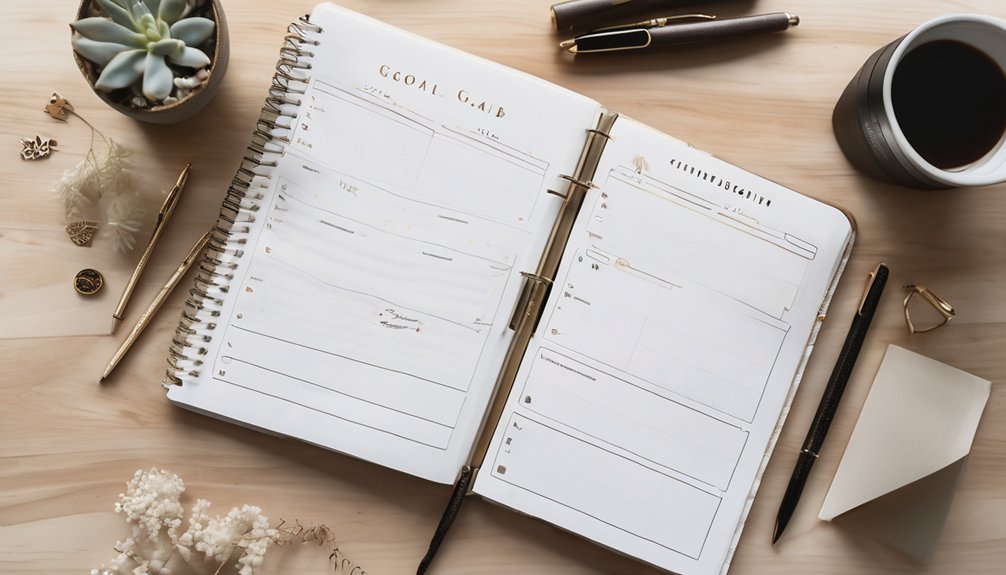
A goal planner only works if you actually use it, so build one that fits your habits and keeps your attention. Start with a visual layout that feels clear, calm, and easy to revisit. Use one page, a notebook spread, or digital tools if they help you stay consistent.
Keep the design simple: enough space to see your priorities at a glance, without crowding your mind. Choose colors, headings, or icons that make you feel organized and supported.
Add sections you’ll naturally check, like goals, reminders, and progress notes. When your planner feels familiar, you’re more likely to return to it.
You’re not trying to impress anyone; you’re creating a system that helps you belong to your own plan and keep moving forward with confidence.
Choose Daily, Weekly, and Monthly Actions
Once your planner feels easy to use, fill it with actions you can actually repeat. Build daily habits that move one goal forward, like writing, stretching, or outreach. Use time blocking so each task has a home in your day.
Then set weekly reflections to ask what worked, what felt hard, and where you need action prioritization. Each month, complete monthly reviews to reset your focus and choose the next few wins.
If you like support, pair with accountability partners who share your pace and values. Keep goal visualization close so you remember why you’re showing up. Add reward systems that celebrate consistency, not perfection.
When your actions match your energy, you’ll feel grounded, connected, and ready to grow with others.
Track Progress Without Losing Momentum
Track progress in a simple way so you can see momentum without turning your planner into a chore. Use progress tracking to note what you finished, what’s next, and what moved you forward.
You’ll feel more connected when your system stays easy to update and easy to trust.
- Mark wins daily
- Review weekly patterns
- Compare plan vs. action
- Share updates with accountability partners
- Adjust one step at a time
Keep your records brief, consistent, and visible. That way, you can celebrate effort, stay organized, and feel part of a community that’s moving forward together.
When you check in regularly, your planner becomes a reliable guide, not another task.
Stay Motivated When Progress Feels Slow
When your progress slows, keep your focus on the process instead of the pace. You’re still moving forward, even if the results look small today.
Use mindset shifts to see effort as proof of commitment, not delay. Break your goal into simple actions you can complete each day, and let those steps build trust in yourself.
Celebrate small wins, like showing up on time, finishing a task, or making a better choice. Those moments matter because they remind you that you belong in the work and the progress is real.
Stay connected to people who encourage you, and share what’s working. With patience, steady effort, and a clear plan, you can keep going without losing heart.
Avoid Common Goal Planner Mistakes
A strong goal planner works best when you use it with intention, not as a place to dump vague ambitions. You avoid common mistakes by setting clear targets, breaking them into steps, and checking each one honestly. This keeps you focused and connected to a community of people who want growth too.
- Pick one priority at a time
- Write specific actions, not wishful thinking
- Use visualization techniques to picture success
- Share progress with accountability partners
- Review your planner weekly and adjust fast
When you plan this way, you cut confusion and build momentum. You’ll feel supported, stay organized, and move with confidence toward goals that matter.
Make Your Goal Planner Work Long Term
To make your goal planner work long term, treat it like a living system, not a one-time exercise. Review it weekly, adjust targets when life changes, and celebrate small wins so you stay connected to your progress.
Keep your goals visible, simple, and tied to values that matter to you. Use digital tools to set reminders, track habits, and spot patterns fast.
Share your plan with accountability partners who’ll encourage you and help you stay honest when motivation dips. Build routines around your planner, not around perfection, so you can recover quickly after setbacks.
When you update your system regularly, you create momentum, confidence, and a sense of belonging in your own growth journey.
Conclusion
Your goal planner works best when you keep it simple, clear, and consistent. Set SMART goals, break them into steps, and check progress often so you can stay on track without burning out. When motivation dips, remember you’re not starting from scratch—you’re building momentum. With regular updates, honest reflection, and a little patience, you’ll keep your eyes on the prize and turn your plans into real progress, one milestone at a time.