Daily Planner
A daily planner helps you turn a busy day into a clear plan, so you can focus on what matters and stop relying on memory alone. You’ll choose the right format, set it up for your routine, and use it to guide each day with more control. If you want less stress and better follow-through, the next step is learning how to make your planner work for you.
Key Takeaways
- A daily planner helps organize tasks, appointments, and priorities to improve focus and reduce stress.
- Choose a planner style that fits your routine, such as hourly, dated, undated, compact, or broader layouts.
- Set up sections for schedule, priorities, and notes to keep planning clear and flexible.
- Plan each day by listing top priorities, recurring commitments, and realistic tasks.
- Stay focused by limiting tasks, protecting time blocks, and using simple productivity habits.
What Is a Daily Planner?
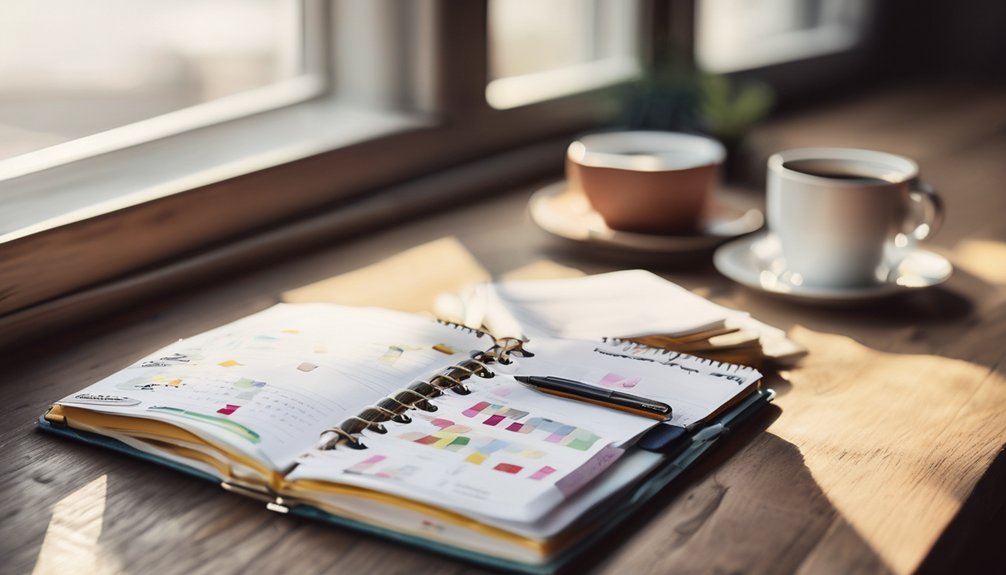
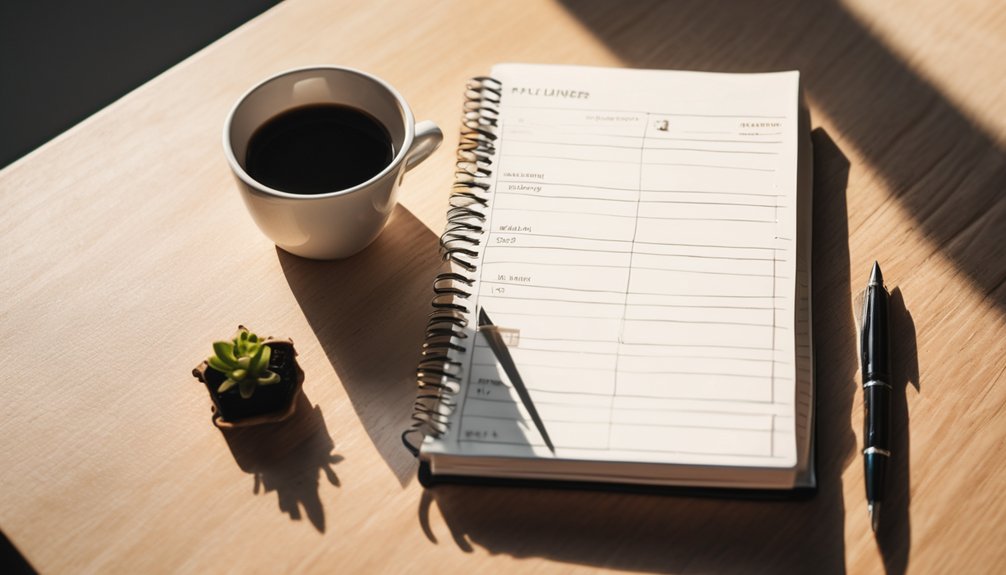
A daily planner is your go-to tool for organizing tasks, appointments, and priorities in one place. You use it to map out your day, stay focused, and move with confidence through busy moments.
It can be paper or one of many digital planners, and each option helps you keep important details visible. The planner benefits include less stress, clearer goals, and stronger follow-through.
When you write things down, you create a simple system that supports your habits and keeps you connected to your plans. You’re not managing everything alone; you’re building a routine that works with you.
With each page or screen, you make space for progress, belonging, and the steady satisfaction of getting things done.
How to Choose a Daily Planner
Choosing the right daily planner starts with how you actually live and work. Think about your days, your goals, and the support you want from planner types. If you like simple clarity, choose compact layouts; if you need room to reflect, pick broader pages. Compare planner styles, then match one to your routine.
| Need | Best fit | Why |
|---|---|---|
| Busy schedule | Hourly planner | Keeps your day visible |
| Big goals | Dated planner | Builds steady momentum |
| Flexible routine | Undated planner | Adapts to change |
You’ll feel more at home with a planner that fits your pace and personality. Choose one you can carry, open, and trust. When it feels right, you’ll use it consistently and join the rhythm of people who stay organized together.
How to Set Up Your Planner
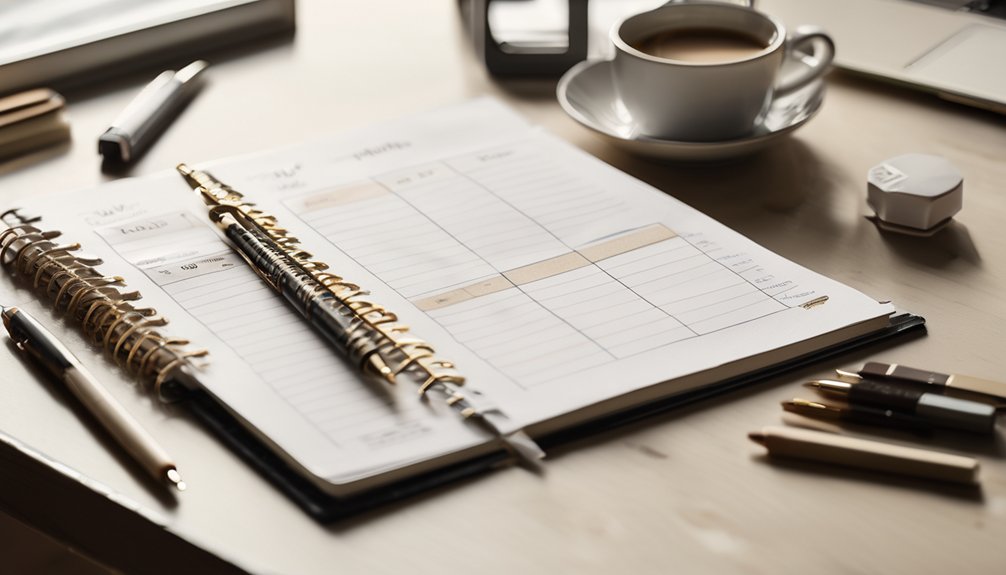
Start with three simple sections: schedule, priorities, and notes. Set them up so you can see your day at a glance and feel ready to join the people who stay organized.
Add labels, color codes, or dividers that match your planner aesthetics, and keep them consistent. If you use digital planners, create templates for repeated pages, folders for goals, and quick links for easy access.
Leave a little space in each section so you can adjust without stress. Write your recurring commitments first, then mark the tasks that matter most, and finally reserve notes for ideas, reminders, and wins.
When your layout feels clear, you’ll use it more often and build a planning habit that fits your life and helps you belong to your routine.
How to Plan Each Day in Your Planner
With your planner set up, you can map out each day in a simple, repeatable way. Start by choosing your top priorities, then place them where you’ll see them first. A short plan keeps you moving with the group, not behind it.
- Write your main tasks for the day.
- Add your morning rituals so you begin with intention.
- Leave a space for evening reflections to close the day well.
As you plan, use brief notes for appointments, deadlines, and personal wins. Keep your entries realistic, so you can follow through without stress.
When you return to your planner each morning, you’ll feel grounded and ready. At night, your evening reflections help you learn, reset, and stay connected to your goals.
Daily Planner Tips for Staying Focused
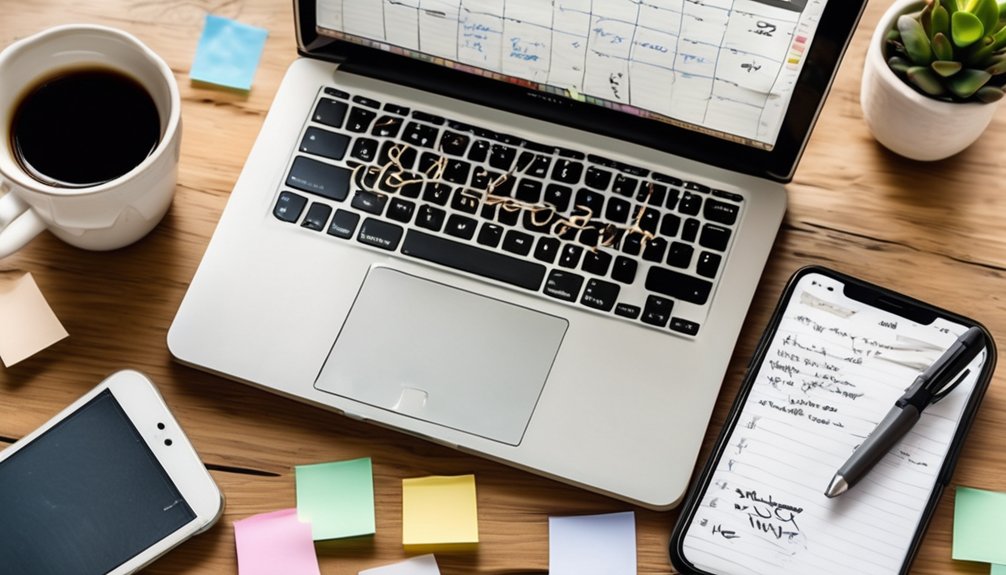
To stay focused, narrow each day to a few high-impact tasks and give them clear time blocks in your planner. You’ll feel more in control when you protect those blocks like appointments with yourself.
Use focus techniques such as the two-minute reset, single-tasking, and a quick priorities check before each session. Pair them with productivity hacks like batching messages, setting a timer, and keeping your planner open where you can see it.
If your attention drifts, return to the next small action instead of starting over. Celebrate progress as a team of one, because you belong in a community of people who keep showing up. Each checkmark builds momentum, and that momentum helps you finish strong.
Common Daily Planner Mistakes to Avoid
Even the best daily planner can lose its power if you fall into a few common traps. You might overfill each day, skip planner organization, or treat time blocking like a rigid rule instead of a guide. To stay on track, keep your planning simple and honest:
- Don’t cram every task in; leave breathing room.
- Don’t ignore priorities; schedule what matters first.
- Don’t abandon your planner after one busy day; reset and continue.
When you avoid these mistakes, you build a system that supports you and helps you feel connected to others who are also working toward better routines.
Small, steady improvements keep your planner useful, motivating, and easy to follow. Trust your process, and your day will feel more manageable.
Conclusion
You’ve got the map; now it’s time to chart your day with calm confidence. When you choose a daily planner that fits your rhythm, you make room for clear priorities, lighter mental clutter, and smoother follow-through. Keep your pages simple, review them often, and let small wins build momentum. If your schedule starts to feel a bit crowded, gently trim the excess and make space for what matters. Your planner can help you turn busy days into steady progress.