Simple Tools for Planning Your Next Home Project
Before you start your next home project, you can save time by getting a few basics in place. Measure your space, set a simple budget, gather design ideas, and keep your tasks in one spot. When you sort materials early, you cut down on confusion later. The right tools won’t make the work disappear, but they’ll help you avoid the most common mistakes and make the next step much easier.
Key Takeaways
- Measure your space first to confirm dimensions, clearances, and fixed features before starting any home project.
- Build a simple budget to estimate materials, permits, delivery fees, and a contingency for surprises.
- Create a mood board with photos, samples, and a color palette to guide design choices.
- Track tasks in one place using a checklist or app with due dates and assigned responsibilities.
- Organize materials and supplies by project phase so everything is labeled, grouped, and easy to find.
Measure Your Space First
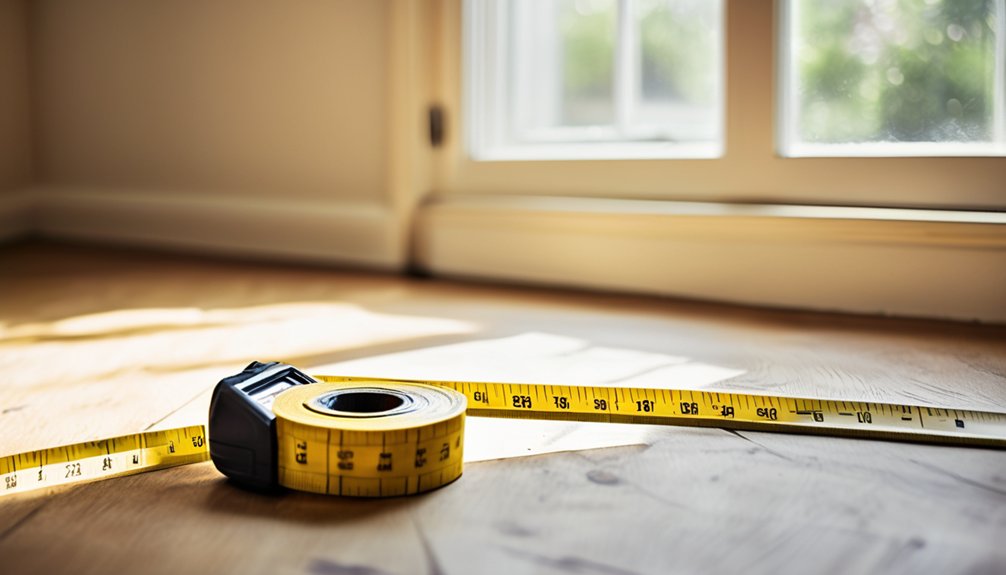
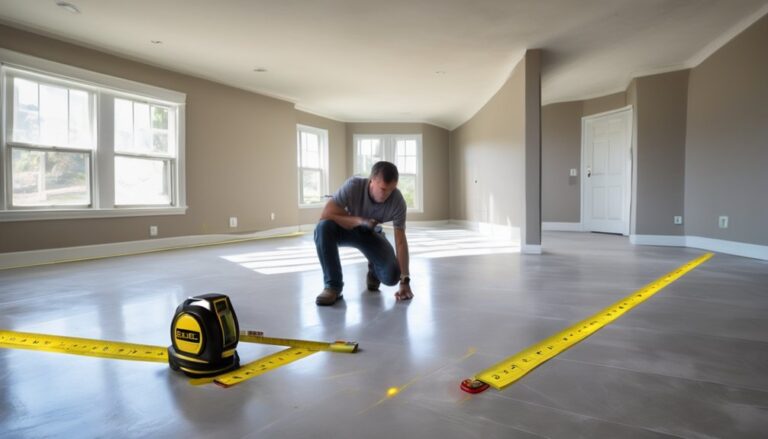
Before you buy materials or sketch a layout, measure your space carefully so you know exactly what you’re working with. Write down length, width, and height, then check doorways, windows, outlets, and fixed features.
These space dimensions help you avoid surprises and make smarter decisions from the start. Use a tape measure, a notebook, and a simple floor plan to track every detail. When you compare measurements, you can spot tight spots and plan around them with confidence.
Measure carefully, note every detail, and compare dimensions to avoid surprises and plan with confidence.
Think through layout considerations early, including traffic flow, clearances, and where people will move most often. If you’re working with others, share your notes so everyone stays on the same page.
Careful measuring sets you up for a smoother project and helps your space feel truly yours.
Build a Simple Project Budget
A simple budget keeps your project realistic and helps you avoid overspending. Start with cost estimation for every item you expect to buy, from materials to permits to delivery fees.
Then sort those numbers into clear budget categories so you can see where your money’s going. You can use a notebook, spreadsheet, or phone app; choose whatever feels easy to update.
Add a small cushion for surprises, because home projects often shift as you go. Compare your estimate with what you can spend now, and adjust before you begin.
When you track each cost, you stay in control and feel confident with your plan. A thoughtful budget helps you work alongside other homeowners who value smart, steady progress.
Create a Mood Board
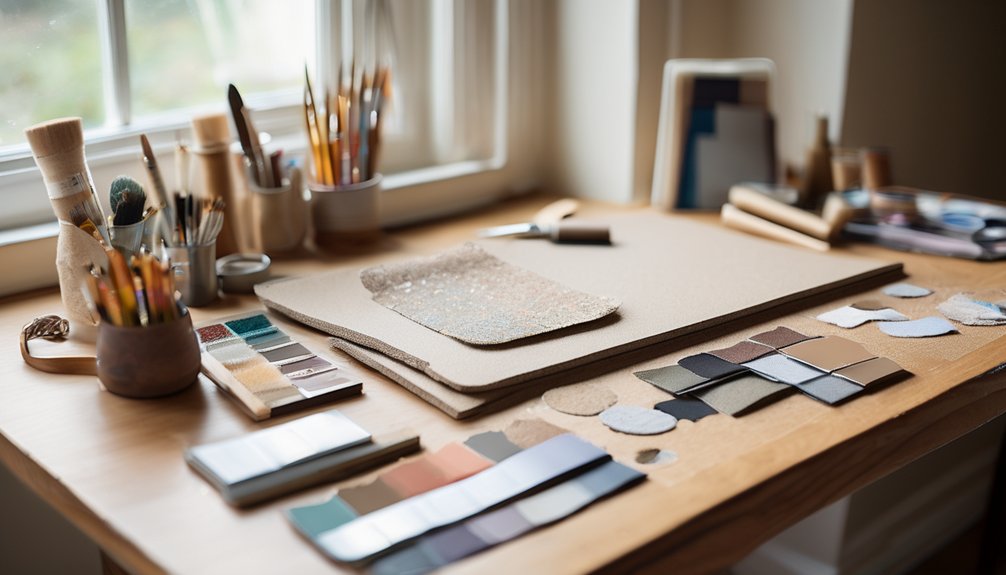
A mood board turns your ideas into a visual plan you can actually use. You gather photos, paint chips, fabric swatches, and finish samples to compare options side by side.
Choose a clear color palette that feels right for your space, then add design inspiration that reflects how you want the room to feel. As you arrange images, notice repeating style themes, like warm wood, clean lines, or soft textures.
Choose a clear color palette, then layer in inspiration that captures the feeling you want most.
This helps you narrow material selection before you buy. You’ll see what works together and what feels out of place, so your choices stay consistent and personal.
Keep it simple, and you’ll create a shared vision that makes every next step feel more confident and connected.
Track Tasks in One Place
Once your vision is clear, keep every task in one place so nothing slips through the cracks. You can use task management apps to list each step, set due dates, and assign priority levels. This keeps your plan easy to follow and helps you stay connected to the project from start to finish.
Break big jobs into smaller actions, then check them off as you go. That simple rhythm builds momentum and makes progress tracking feel rewarding. When everything lives in one system, you waste less time searching for notes and more time moving forward.
Invite everyone involved to use the same tool, so your group stays aligned, informed, and confident. A shared list creates order, reduces stress, and helps you feel part of a team working together.
Organize Materials and Supplies
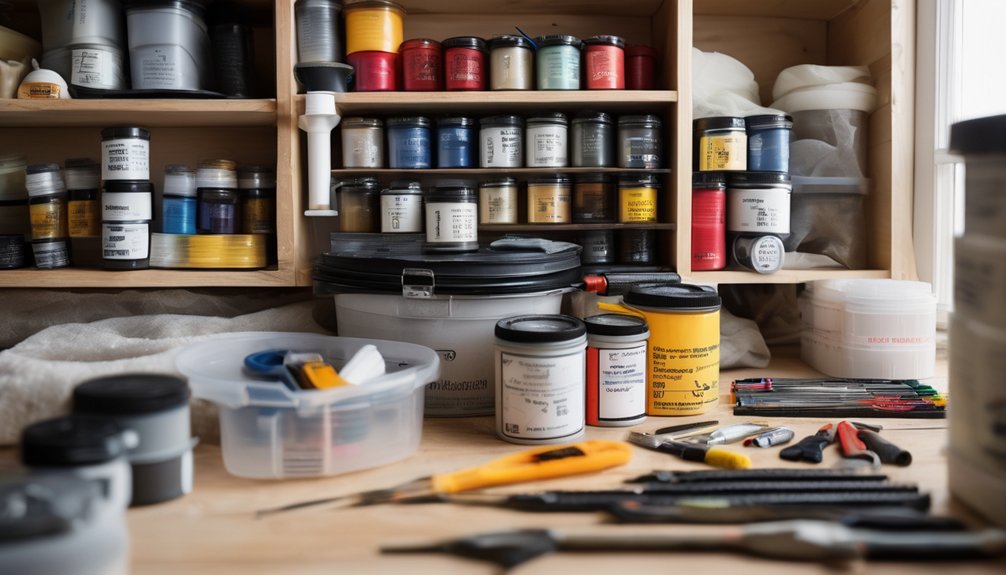
Keep your materials and supplies organized from the start so you can work faster and avoid costly delays. You can sort items by project phase, label every bin, and keep a clear material storage area near your work zone.
Before you begin, build a supply checklist for fast trips to the store and quick weekend prep. Group similar items together, like fasteners, paint tools, and electrical parts, so you always know what you have.
When you finish each task, return leftovers to their place and update your checklist. That small habit helps you stay in control, feel part of a capable crew, and avoid the frustration of missing parts.
Good organization keeps your home project moving and your team working together.
Frequently Asked Questions
How Do I Choose the Right Contractor for My Project?
Check contractor qualifications, compare references, and review past work. You’ll want clear communication, a realistic project timeline, fair pricing, and shared values so you feel confident, respected, and truly part of the process.
What Permits Might I Need Before Starting?
You might need building, electrical, plumbing, or zoning permit types, and maybe inspections too. If you’ve heard small projects don’t need approvals, that’s often false—check local building codes so you’ll fit in and avoid delays.
How Long Will My Home Project Likely Take?
Your project timeline depends on scope, permits, and your task breakdown. Small updates may take days, while remodels can take weeks or months. You’ll stay on track by planning buffer time, coordinating trades, and checking progress often.
Which Materials Are Best for Durability and Style?
You’ll want durable hardwood, stone, and metal—materials that age like good stories. Choose sustainable materials, balance aesthetic choices with cost considerations, and match maintenance needs so your space feels lasting, welcoming, and truly yours.
How Can I Minimize Disruptions During Renovations?
You can minimize disruptions by setting clear renovation schedules, creating temporary living zones, and using soundproofing techniques. Communicate daily with your crew, protect shared spaces, and plan noisy work when you’re away to keep life feeling normal.
Conclusion
Before you start, measure your space, set a simple budget, and gather your ideas in one place. When you create a mood board, track tasks, and label supplies, you make the whole project feel manageable. For example, if you’re updating a small bathroom, knowing the exact wall size and keeping tile samples sorted can save you time and money. With these simple tools, you’ll stay organized, avoid stress, and finish stronger.