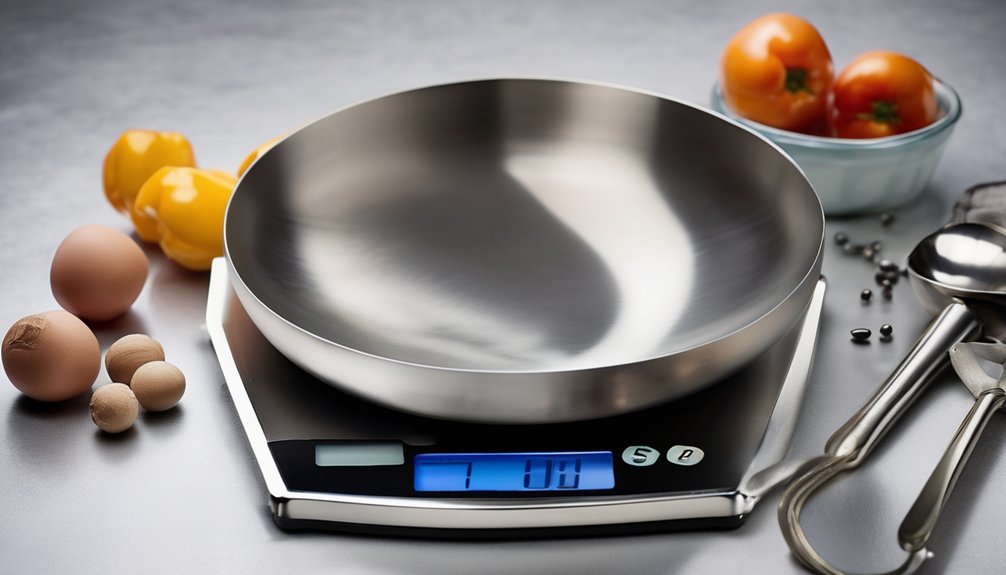
Weight Converter
If you work with grams, kilograms, pounds, or ounces, a weight converter gives you a fast way to keep measurements consistent across tasks. You can reduce errors in cooking, shipping, and tracking by using fixed conversion factors instead of estimating. The real value is in how it standardizes comparisons, but the details behind accurate conversions matter more than they first appear.
Key Takeaways
- A weight converter translates between units like grams, kilograms, ounces, pounds, and tons.
- It uses fixed conversion ratios to ensure accurate and consistent results.
- It helps in cooking, shipping, and lab reporting where precise weight matters.
- Always verify the source and target units before converting to avoid mistakes.
- Prefer standardized metric units and consistent rounding for reliable comparisons.
What Is a Weight Converter?
You use it when you need consistent comparisons across measurement systems, especially when unit definitions differ by region or industry. It gives you a standardized reference for data entry, recipes, shipping, engineering, and lab reporting.
By aligning values with the correct unit, you reduce ambiguity and improve accuracy in shared workflows. If you work with global teams, a converter helps you stay synchronized and confident in each number you record.
In practice, you’re not just changing labels; you’re ensuring that measurements remain interpretable, comparable, and technically reliable.
How a Weight Converter Works
When you enter a value into a weight converter, it first identifies the source unit and the target unit, then applies a fixed conversion factor between them. You input your number, and the tool maps it through the selected weight systems with exact arithmetic.
Most digital tools normalize the value to a base unit, calculate the equivalent, then display the result in your chosen format. This process removes manual error and keeps your workflow consistent.
Because you’re working inside a structured interface, you can trust the output to reflect the same logic every time. If you need reliable comparisons across teams or projects, this mechanism gives you a shared, precise reference.
It’s a small calculation, but it supports confident decisions.
Convert Between Common Weight Units
Converting between common weight units starts with the relationship between metric and imperial measures, so you can move cleanly from grams to kilograms, ounces to pounds, or tons to kilograms using fixed ratios.
You’ll rely on the metric system for decimal scaling: 1,000 grams make a kilogram, and 1,000 kilograms make a metric ton. For imperial units, 16 ounces equal a pound, and 2,000 pounds equal a US ton.
You can apply these factors directly or verify them with conversion tools when precision matters. This approach keeps your calculations consistent and helps you compare values across systems without confusion.
When you understand each ratio, you’ll work confidently with any weight input and stay aligned with the standards your community uses.
Quick Kilogram, Pound, Ounce, and Gram Charts
Quick reference charts let you compare kilograms, pounds, ounces, and grams at a glance, so you can convert values without repeating the full calculation each time. You can scan them to verify weight measurement in the metric system and match it against familiar imperial values.
These charts work as practical conversion tools when you need fast, consistent results. They also help you see how historical units relate to modern standards, which keeps your comparisons grounded and accurate.
Use a Weight Converter for Cooking
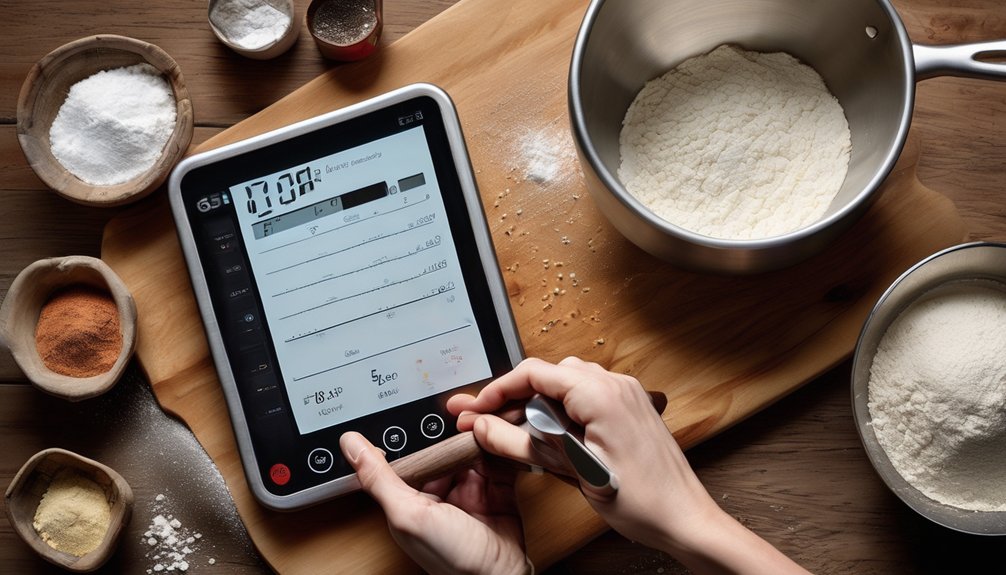
In cooking, a weight converter helps you translate ingredient masses accurately between grams, kilograms, ounces, and pounds so you can follow recipes without scaling errors. You’ll keep cooking measurements consistent, and your recipe adjustments will stay precise when you batch meals or halve portions. Use it to align flour, sugar, butter, and spices across metric and imperial formats.
- Verify each ingredient’s unit before you convert.
- Round only when the recipe tolerates small variance.
- Prefer weight over volume for dense ingredients.
- Recheck conversions when you double or reduce yields.
When you work this way, you join a careful kitchen routine that values accuracy and shared results.
That discipline reduces waste, improves texture, and helps your dishes taste the same every time.
Use a Weight Converter for Shipping
When you prepare shipments, a weight converter helps you translate package mass between grams, kilograms, ounces, and pounds so you can calculate carrier rates, meet label requirements, and avoid billing errors.
You can compare shipping costs across services with consistent units, then choose the option that fits your budget and delivery target. Accurate conversions also help you verify weight limits before you print labels, so you don’t trigger surcharges or rejected parcels.
If you work with international orders, you’ll align your measurements with the destination carrier’s standards and keep your team on the same page. With reliable data, you reduce disputes, speed fulfillment, and maintain trust with customers who expect precise handling every time.
Use a Weight Converter for Fitness Tracking
For fitness tracking, a weight converter helps you keep measurements consistent across scales, apps, and nutrition logs by translating pounds into kilograms, ounces into grams, or any other required unit. You can align your data with your fitness goals and compare sessions with confidence.
This precision supports tracking progress in a way that feels shared, measurable, and motivating.
- Standardize daily weigh-ins across devices
- Convert food portions for macro calculations
- Match workout logs to app settings
- Review trends using one unit system
When you use the same unit framework, you reduce ambiguity and improve analysis.
That consistency lets you spot meaningful changes faster, make informed adjustments, and stay connected to a community that values disciplined improvement.
Avoid Common Weight Conversion Mistakes
Even small conversion errors can distort your results, so you’ll want to check unit labels, decimal placement, and rounding rules before you log any value.
You should verify whether your source uses pounds, kilograms, ounces, or grams, because unit inconsistencies can silently skew trends. When you convert in the metric system, keep a consistent precision level so your calculations stay comparable across sessions.
You’ll also want to avoid mixing net weight with package weight, since that changes the number you record. If you share data with your team, agree on one standard format and stick to it.
That way, you’ll protect accuracy, build trust, and stay aligned with others who track progress closely.
Conclusion
You can use a weight converter to keep your measurements consistent across grams, kilograms, pounds, and ounces. When you apply fixed conversion factors, you reduce error, improve efficiency, and make decisions with confidence. Whether you’re cooking, shipping, or tracking fitness data, the right conversion tool helps you stay on the same page. By checking units carefully, you’ll avoid costly mistakes and maintain accurate results from start to finish.