Metric Converter
A metric converter helps you switch between units like meters, grams, and liters without guesswork. You use it when you need quick, accurate changes across length, weight, volume, or temperature. It’s especially useful when recipes, workouts, or measurements don’t match the units you expect. But not every conversion is as simple as it seems, and a few common mistakes can throw off the result.
Key Takeaways
- Metric converters quickly change units using metric prefixes and powers of ten.
- They help convert length, mass, volume, and temperature accurately.
- Enter the value and unit, then apply the correct conversion ratio or formula.
- They save time, reduce confusion, and support international measurement standards.
- Reliable tools should be clear, accurate, fast, and easy to use.
What Is a Metric Converter?
It belongs to the broader metric system history, which began with the goal of making measurements easier to share across countries. The metric conversion benefits include saving time, reducing confusion, and helping you communicate accurately with others.
You don’t need to memorize every unit when you have one nearby. Instead, you can feel confident joining a worldwide standard that keeps measurements simple and familiar. A metric converter supports your work, learning, and daily decisions with precision and ease.
How a Metric Converter Works
At its core, a metric converter takes the value you enter, identifies the unit you want to change, and applies the correct metric prefix or base-unit ratio to produce the new measurement. You choose the starting unit, then the converter checks whether the scale uses powers of ten. From there, it shifts the decimal point or multiplies and divides by ten, hundred, or thousand as needed.
Different conversion methods may appear in calculators, apps, or charts, but they all follow the same logic. The historical context matters too: the metric system was designed to make measurement easier to share across communities.
When you use a converter, you join that simple, consistent tradition and get results you can trust quickly.
Metric Converter for Length and Distance
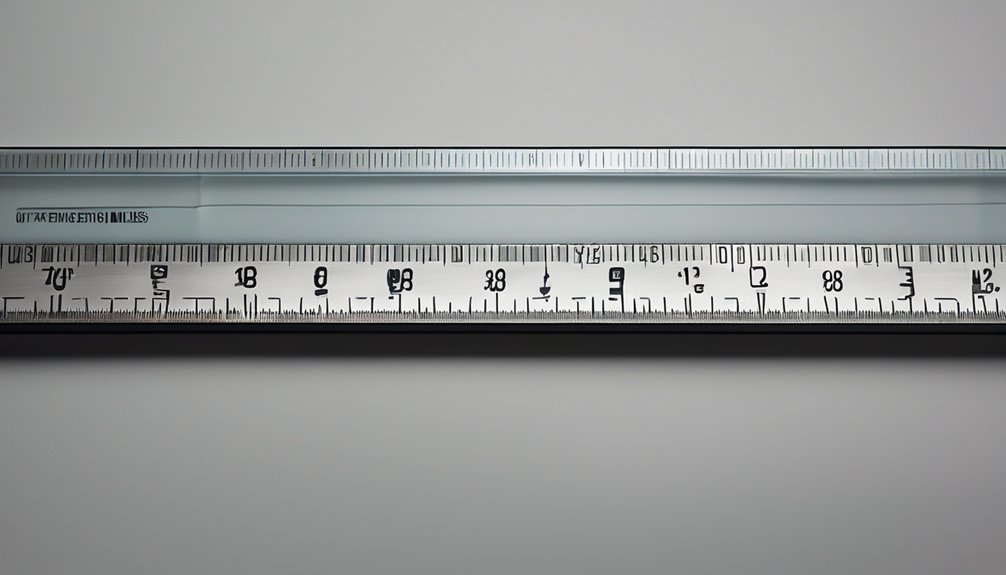
For length and distance, a metric converter helps you move cleanly between millimeters, centimeters, meters, and kilometers by applying powers of ten. You can quickly scale a phone’s width, a room’s size, or a road trip’s distance without guesswork.
Because metric units line up in tens, you only shift the decimal point, which keeps your work fast and accurate. When you understand conversion history, you also see why this system feels so familiar across science, school, and daily life.
You’re not alone if conversions once felt tricky; with practice, they become second nature. Use a trusted converter, check the unit labels, and you’ll stay confident wherever measurement matters.
Metric Converter for Weight and Mass
Weight and mass conversions work the same way as length conversions in a metric converter: you move through units by powers of ten. You can quickly handle weight conversion by shifting decimal places between milligrams, grams, kilograms, and tonnes.
If you know one unit, you can trust the pattern and convert with confidence. For mass measurement, remember that smaller units require more zeros, while larger units need fewer.
A metric converter helps you stay accurate when you’re comparing ingredients, packages, or body weight. You’re not alone in this process; once you learn the steps, the system feels familiar and manageable.
Use the converter to check your work, avoid mistakes, and move through each unit smoothly every time.
Metric Converter for Volume and Capacity
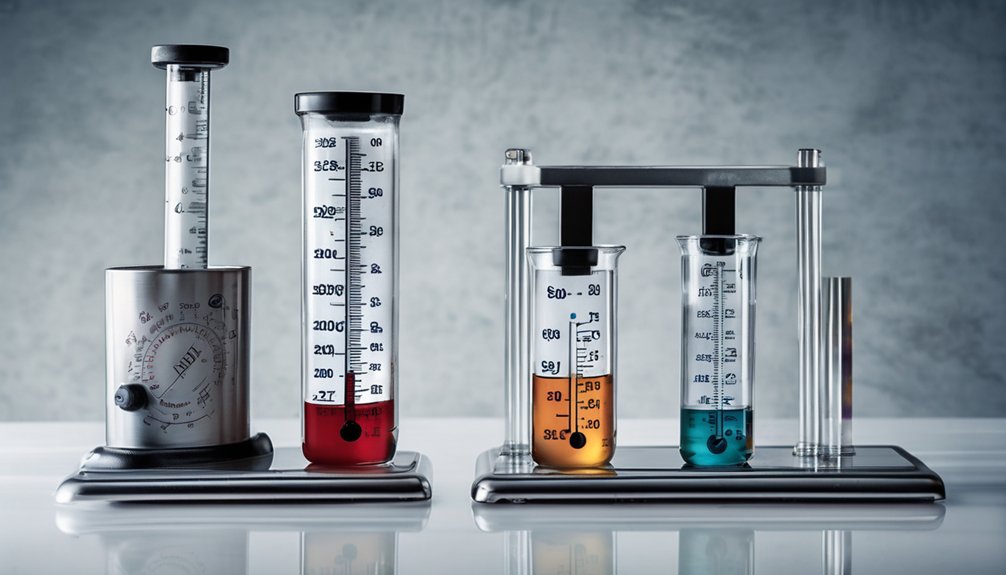
When you convert volume and capacity, you follow the same metric pattern of shifting by powers of ten, moving between milliliters, liters, and kiloliters with ease.
You can trust this simple system because each step changes by a factor of 10, so you don’t need messy fractions.
If you’re working with volume measurement, remember that 1,000 milliliters equals 1 liter, and 1,000 liters equals 1 kiloliter.
This makes it easier for you to compare drinks, containers, and storage amounts.
When you use capacity units correctly, you join a shared standard that keeps measurement clear for everyone.
Whether you’re filling a bottle or checking a tank, you’ll convert faster and with confidence.
Metric Converter for Temperature Changes
After volume and capacity, temperature changes use a different metric rule, but the same idea of clear conversion still helps you stay accurate.
You can move between temperature scales by using the right conversion formulas, and that keeps your numbers trustworthy. When you work in Celsius, Fahrenheit, or Kelvin, each scale follows its own pattern, so you need to match the formula to the pair you’re changing.
A metric converter can help you check your work quickly and avoid small mistakes that affect bigger calculations. If you’re part of a team, using the same method also keeps everyone aligned.
With a little practice, you’ll convert temperature changes smoothly and feel confident in every result.
When You Need a Metric Converter
You need a metric converter anytime you want to move between units quickly and accurately, especially if you’re comparing measurements from different sources.
You’ll rely on it when you cook with international recipes, track fitness goals, shop online, or follow science and health data. It helps you feel confident because you can read values in the unit that makes sense to you and your team.
These metric conversion benefits save time, reduce confusion, and keep your work consistent. In practical applications, you might convert meters to feet, liters to milliliters, or kilograms to pounds before sharing results.
When everyone uses the same language of measurement, collaboration feels easier, smoother, and more connected.
Common Metric Conversion Mistakes
Pay close attention to milli, centi, kilo, and other prefixes, because a small slip can change your result a lot. Another common pitfall is assuming every number works the same way in length, mass, and volume.
You’ll stay on track when you write the full conversion, confirm the direction, and verify whether you need to multiply or divide. When you catch these common pitfalls early, you’ll feel more confident and work with others more smoothly.
Best Metric Converter Tools Online
Which metric converter tools online should you trust? Choose ones that give fast results, clean design, and accurate unit comparisons.
You’ll want tools that cover length, mass, volume, temperature, and area without forcing extra clicks. Reliable conversion apps also save your favorites, work well on mobile, and explain each step so you feel confident.
Look for clear labels, current data, and no hidden ads that slow you down. If you switch between school, work, or travel tasks, pick a converter that matches your pace and helps you stay in control.
The best tools make you feel included, informed, and ready to compare units with ease. Test a few, then keep the one that fits your routine best.
Conclusion
You don’t need to guess when units change—you need a metric converter. With a few clicks, you can move from millimeters to meters, grams to kilograms, or liters to milliliters, turning confusion into clarity. What feels complex becomes simple; what seems small can be surprisingly important. Whether you’re cooking, traveling, or tracking fitness, the right tool saves time, cuts errors, and keeps your measurements accurate, fast, and easy to understand.