
How to Calculate Your Ideal Macro Balance
To calculate your ideal macro balance, you first need to know how many calories your body actually uses each day. From there, you can set a protein target that supports your goal, then split the rest between carbs and fats based on your activity level and preferences. The details matter more than most people think, and a few small mistakes can change your results more than you’d expect.
Key Takeaways
- Estimate your daily calorie needs based on age, sex, body size, activity level, and goals.
- Set protein first, aiming for 0.7 to 1.0 grams per pound of body weight.
- Divide remaining calories between carbohydrates and fats according to preference and training demands.
- Choose sustainable foods and respect allergies, ethics, and medical restrictions.
- Track intake and body changes for two to three weeks, then adjust macros as needed.
What Macros Are and Why They Matter
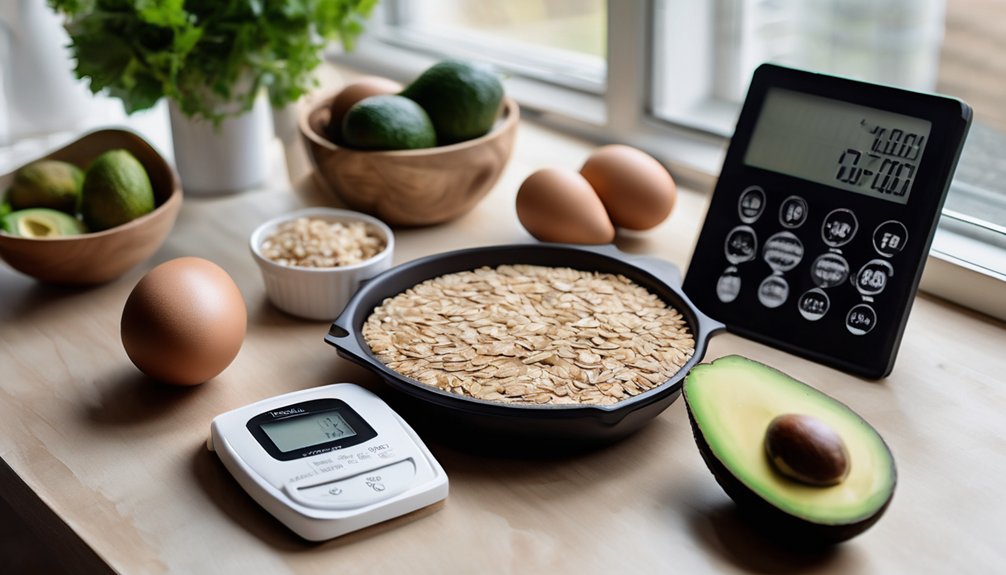
Macros, short for macronutrients, are the three main nutrients your body relies on for energy and function: protein, carbohydrates, and fat.
When you understand macro definitions, you can make food choices with more confidence and less guesswork.
Protein supports tissue repair and helps preserve lean mass. Carbohydrates provide your body’s preferred fuel for activity and brain function. Fat supports hormone production, nutrient absorption, and cell health.
Recognizing nutrient importance helps you see that each macro plays a distinct role, and no single one should carry the whole load.
You don’t need perfection to belong in a healthier routine; you need a practical, balanced approach that fits your life and supports steady, evidence-based progress over time.
Choose Your Macronutrient Goal
Before you start calculating numbers, you need to decide what you want your macro plan to do for you. Your goal should match your health priorities, training demands, and daily routine.
Choose macro targets that match your goals, training, and daily routine before calculating the numbers.
If you want steady energy, better muscle support, or easier meal planning, choose targets that fit your life, not someone else’s. Your macro preferences matter because they affect adherence and satisfaction.
You also need to respect dietary restrictions, whether they come from allergies, ethics, culture, or medical advice. A balanced plan works best when it feels realistic and sustainable, so you can stay consistent with your community’s habits and support.
Evidence shows that the best macro setup is the one you can follow reliably, recover from, and adjust as your needs change over time.
Calculate Your Daily Calories
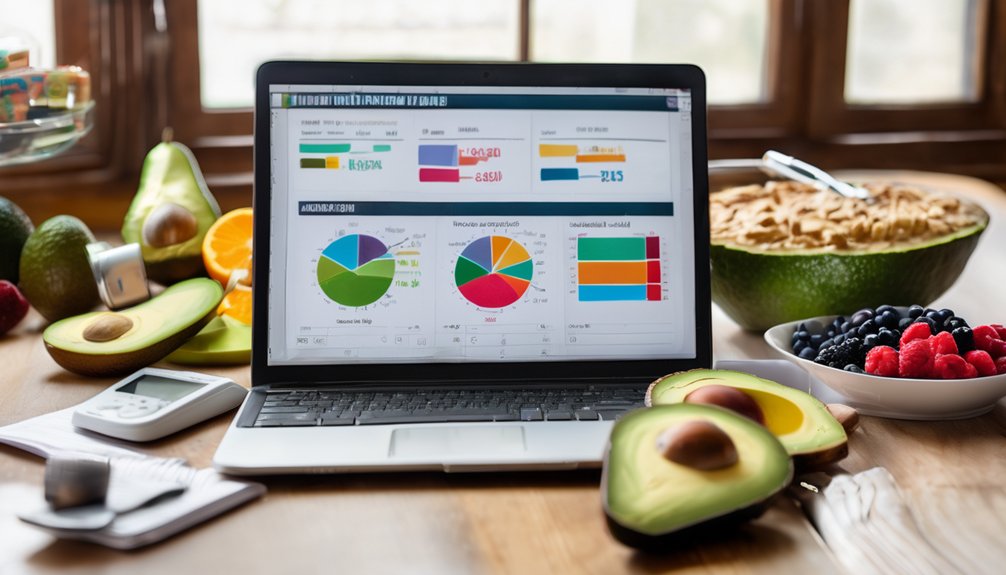
Start by estimating how many calories you need each day, because your macro targets have to fit your overall energy needs first. Use calorie calculators as a starting point, then adjust for your age, sex, body size, activity level, and goal.
If you want to maintain weight, aim for a daily intake that matches your estimated expenditure. For fat loss, create a modest deficit; for muscle gain, add a small surplus.
Track your weight, training performance, and hunger over two to three weeks, since real-world response often differs from formulas. You’re not guessing alone—you’re using a practical method that helps you stay aligned with others pursuing the same fitness goals.
Consistency matters more than perfection, so refine your numbers as needed.
Set Your Protein Target
Protein should be your first macro target, since it plays the biggest role in preserving muscle, supporting recovery, and helping you stay full while you manage calories.
For most active people, a practical range is about 0.7 to 1.0 grams per pound of body weight, or 1.6 to 2.2 grams per kilogram. If you train hard, are dieting, or want a leaner look, stay toward the higher end.
Choose protein sources you enjoy and can repeat consistently, such as Greek yogurt, eggs, poultry, fish, tofu, beans, and lean meat.
Spread intake across meals to support muscle protein synthesis, and use optimal timing, especially around workouts, to make each serving count. That simple structure helps you stay on track together.
Set Your Carbs and Fats

Once you’ve set protein, the next step is to split the rest of your calories between carbs and fats based on your goals, activity level, and food preferences.
Carbs support training intensity and recovery, so choose mostly whole-food carb sources like fruit, oats, rice, potatoes, and beans. Fats help absorb nutrients and support hormones, so include moderate portions of fat types such as olive oil, avocados, nuts, seeds, and fatty fish.
If you’re active, you may feel better with more carbs; if you prefer lower-carb eating, you can raise fats instead. Aim for a balance you can sustain, because consistency matters more than perfection.
Track your intake for a week, then adjust portions so your meals stay satisfying, practical, and aligned with your routine.
Adjust Macros for Fat Loss or Muscle Gain
To lose fat, you’ll usually need to reduce calories slightly while keeping protein high and adjusting carbs and fats to support energy and adherence. That’s one of the most reliable fat loss strategies. If you’re aiming to build muscle, add a small calorie surplus and keep protein steady; this supports recovery and lean tissue growth. Use these muscle gain tips to stay consistent with your goals and feel part of a plan that works.
| Goal | Macro shift |
|---|---|
| Fat loss | Lower carbs or fats modestly |
| Fat loss | Keep protein high |
| Muscle gain | Raise carbs and total calories |
| Muscle gain | Maintain adequate fats |
| Both | Track results and adjust gradually |
Factor in Your Activity Level
Your activity level has a big impact on how many calories and macros you need each day.
Match your macro balance to your activity types, intensity levels, and training frequency so your fuel fits your real life. If you lift, run, or play sports often, your energy expenditure rises, and you’ll usually need more carbs and protein to support performance and recovery needs.
If your days are mostly seated, a lower intake may better match your metabolic rate and lifestyle factors.
Aligning macros with your fitness goals helps you stay in the right zone for your body and your routine. You’re not guessing here—you’re building a plan that supports your goals, your workload, and your place in the community.
Track Your Macros and Make Adjustments
Start tracking your food intake consistently so you can see how your current macro balance really works in practice. Use macro tracking and food logging to compare your planned intake with what you actually eat, then review patterns weekly. This helps you make small adjustment strategies without guessing.
- Use meal planning to set daily targets for protein, carbs, and fat.
- Apply portion control with measuring cups, a scale, or hand portions.
- Watch nutrient timing around workouts and consider supplement considerations only if your diet lacks key nutrients.
If a meal regularly misses your targets, try recipe modifications like swapping oils, grains, or protein sources.
Over time, these evidence-based tweaks help you fit in with a community of people who track, learn, and improve together.
Avoid Common Macro Mistakes
Once you’ve tracked your intake for a few weeks, the next step is spotting the mistakes that can throw off your macro balance. You’ll avoid macro myths by checking data, not guessing. Use tracking tools to verify portion sizes, and remember that food quality matters as much as totals. Many common pitfalls come from ignoring nutrient timing or forcing a plan that clashes with your dietary preferences. Meal planning helps you stay consistent and supported.
| Mistake | Better move |
|---|---|
| Eyeballing portions | Weigh or measure foods |
| Chasing macro myths | Follow evidence-based targets |
| Skipping meal planning | Prep balanced options ahead |
| Ignoring food quality | Prioritize nutrient-dense choices |
When you review patterns weekly, you can adjust calmly, fit your life, and keep progress sustainable together.
Frequently Asked Questions
How Do Macros Differ From Micros?
Macros provide energy and structure, while micros support functions with vitamins and minerals. Your macronutrient breakdown focuses on carbs, protein, and fat; micronutrient importance lies in smaller amounts that still help you feel strong, included, and well.
Should I Count Macros on Weekends?
Yes, you should count macros on weekends if it helps you stay consistent, but flexible dieting lets you allow weekend indulgence without guilt. You’ll build habits, support progress, and still feel included.
Can I Calculate Macros Without a Food Scale?
Yes—you can estimate macros without a food scale by estimating portions and using measuring cups. You’ll be less precise, but you can still track consistently, learn serving sizes, and stay on target together.
How Often Should I Recalculate My Macros?
Recalculate your macros every 4–8 weeks, or sooner if your goals, weight, training, or lifestyle changes impact your progress. That macro adjustment frequency helps you stay aligned, supported, and effectively fueled.
Do I Need to Track Macros Forever?
No, you don’t need to track macros forever. You can use them short term, then shift to intuitive eating if it supports long term sustainability and your personal goals. Track when structure helps.
Conclusion
Think of your macro balance as steering a ship: calories are the fuel, protein is the sturdy hull, and carbs and fats are the sails that catch the wind. When you match your intake to your body size, activity, and goal, you give yourself a clear course. Track your macros for a week, then adjust as needed. If you stay consistent and informed, you’ll navigate toward better health, performance, and results.