
How to Calculate a Monthly Budget in Minutes
To calculate a monthly budget in minutes, you start by totaling your income, then listing fixed bills and estimating variable costs like food and transport. You choose a simple method that fits how you think, set spending limits for each category, and check your numbers against your savings goals. The process is quick, but the real advantage comes when you track it well enough to spot what’s changing next month.
Key Takeaways
- Add all monthly income sources, using conservative averages for irregular earnings.
- List fixed expenses like rent, insurance, and loan payments, then total them.
- Estimate variable costs such as groceries, gas, and dining using recent spending averages.
- Choose a simple budgeting method, like envelopes or a budgeting app, to track spending.
- Set category spending limits based on income, essentials, and savings goals.
Calculate Monthly Income

To calculate your monthly income, start by adding up every source of money you expect to receive in a typical month. Include your paycheck, freelance work, side gigs, child support, and any regular deposits so you get a clear total.
If your income changes, use a conservative average from the last three to six months. That helps you plan around income fluctuations without overestimating what you can spend.
Track each income source separately, then combine them into one monthly figure. When you know your real income, you can make smarter choices and feel more in control with the rest of your budget.
This step gives you a shared starting point, so you and your goals stay aligned.
List Fixed Expenses
Next, list your fixed expenses—the bills that stay mostly the same each month. Start with housing, insurance, loan payments, subscriptions, and any other essential bills you can count on.
These fixed costs give your budget structure because you already know their amounts and due dates. Write each one down, then total them so you can see how much of your income is already committed.
These fixed costs give your budget structure because you already know their amounts and due dates.
Be honest and precise here; missing a regular payment can throw off the whole plan. If a bill changes slightly, use the average amount from the last few months.
This step helps you belong to your own budget system, where every dollar has a clear role and nothing gets overlooked.
Estimate Variable Expenses

Now estimate your variable expenses, since these are the costs that change from month to month. You’ll want to review spending categories like groceries, gas, dining out, utilities, and personal care.
These variable expense examples help you see where your money actually goes, not just where you hope it goes. Use recent bank statements, receipts, and app data to estimate a realistic monthly average.
If your spending shifts often, base each category on several months, then choose a number you can live with. Good tracking strategies include noting purchases daily, checking totals weekly, and separating needs from wants.
When you understand these costs, you can plan with confidence and feel more connected to your budget community.
Choose a Budgeting Method
Once you know your fixed and variable expenses, you can choose a budgeting method that fits your habits and goals.
If you like structure and tactile control, the envelope system helps you see where money goes and keeps you accountable. If you prefer speed and flexibility, digital tools let you track spending, review trends, and adjust quickly from your phone.
You can also combine methods: use a spreadsheet for planning, then a budgeting app for daily tracking. Pick the option you’ll actually use consistently, because that’s what builds confidence and keeps you connected to your money.
The right method should feel manageable, not restrictive, so you can stay part of a group of people who budget with purpose and control.
Set Monthly Spending Limits
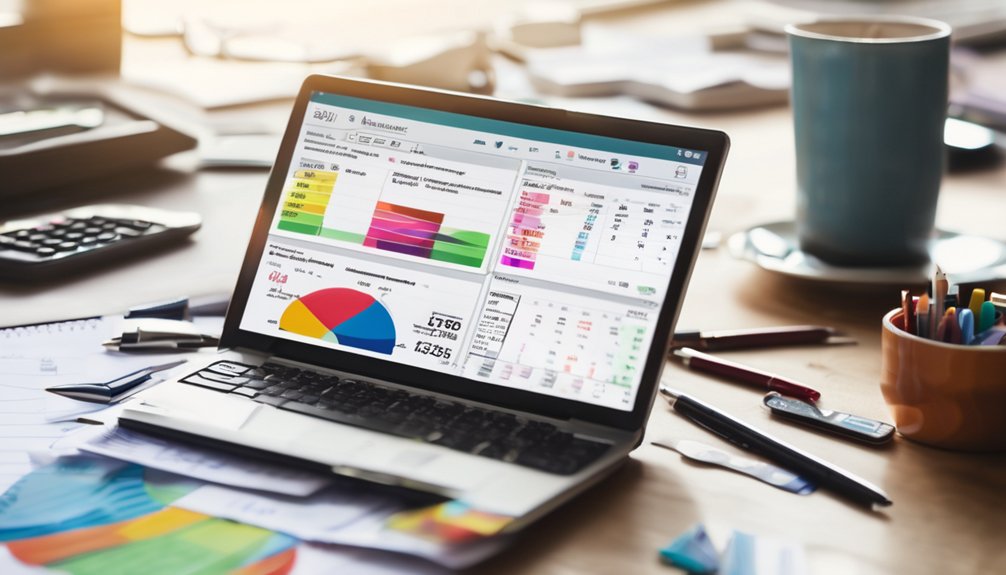
Set clear monthly spending limits for each category so your budget has practical guardrails. Start with essentials like housing, food, transportation, and utilities, then assign realistic caps to flexible areas such as dining out, shopping, and entertainment.
You’ll make better decisions when each dollar has a job. Compare your limits with your income, savings goals, and current spending habits to keep them grounded in reality. If one category routinely runs high, lower another or adjust the limit instead of ignoring the gap.
Keep your limits tight enough to support progress, but flexible enough to fit real life. When you share these boundaries with the people in your household, everyone can stay aligned and work toward the same financial plan together.
Track Your Budget Quickly
Tracking your budget quickly helps you stay consistent without spending hours on bookkeeping. You can log purchases as soon as they happen, so you always know where you stand. Use budgeting tools that sync with your accounts or let you enter numbers in seconds.
When you review expense tracking daily, you spot patterns before they become problems. Keep each category simple, and record only what matters: housing, food, transportation, and personal spending. You’ll feel more in control because the process becomes a habit, not a chore.
If you’re part of a household, share the same method so everyone follows one clear system. Fast tracking gives you reliable data, helps you stay accountable, and makes budgeting feel like something you can actually stick with.
Adjust Your Budget Each Month
As your income, bills, and priorities change, you should adjust your budget each month to keep it accurate. Review your actual spending against your plan, then make financial adjustments where needed. This habit gives you budgeting flexibility and helps you stay aligned with your goals. You’re not failing when categories shift; you’re responding like a smart planner who knows life isn’t static.
| Category | Planned | Actual |
|---|---|---|
| Rent | $1,000 | $1,000 |
| Groceries | $300 | $340 |
| Savings | $200 | $150 |
Use gaps to guide next month’s choices. If groceries rise, trim eating out. If income drops, cut extras fast. Small monthly edits keep your budget realistic, supportive, and shared by people managing money with purpose.
Frequently Asked Questions
How Do I Budget Irregular Freelance Income?
You budget freelance income by averaging your lowest months, then base fixed expenses on that figure. Use budgeting tools to track every payment, set aside taxes, and keep a buffer for slower weeks so you stay confident.
Should I Include Savings in My Monthly Budget?
Yes, you should include savings in your monthly budget. Many believe it limits freedom, but it actually strengthens it. You’ll stay aligned with savings goals and use budgeting strategies that support your community and future.
How Can I Budget for Annual Bills Monthly?
You can budget for annual bills monthly by dividing each annual expense by 12 and setting aside that amount every month. This budgeting strategy keeps you prepared, connected, and in control year-round.
What if My Expenses Vary Week to Week?
You can smooth variable expenses by averaging them, tracking expense patterns, and using flexible budgeting strategies—then watch what changes next week. Try weekly tracking methods, and you’ll stay prepared, connected, and in control.
How Do I Budget With Debt Repayment?
You budget with debt repayment by listing balances, setting minimums, and directing extra cash to the highest-interest debt first; use debt prioritization strategies and adjust your repayment timeline adjustments as income changes.
Conclusion
Think of your budget like a small garden: you plant your income, mark the stones of fixed bills, and water only what helps you grow. When you estimate variable costs, choose a budgeting method, and set clear limits, you keep weeds from taking over. Track it quickly, adjust it monthly, and you’ll see where every dollar goes. With a few minutes of care, you can guide your money with purpose, not guesswork.