Water Intake Calculator
You may not know that your daily water need isn’t fixed, even though many people treat it that way. A water intake calculator estimates a more realistic target by factoring in your body weight, activity level, sex, age, and climate. It can also account for fluid from food, which matters more than most people think. If you want a practical number instead of a broad rule, the next step is worth considering.
Key Takeaways
- A water intake calculator estimates daily fluid needs based on weight, age, sex, and activity level.
- It provides a practical starting point for building healthy hydration habits.
- Exercise, hot weather, diet, and health conditions can all increase water requirements.
- Daily fluid goals usually include water from beverages and moisture from foods.
- Thirst, dark urine, headaches, and fatigue may indicate you need more fluids.
What Is a Water Intake Calculator
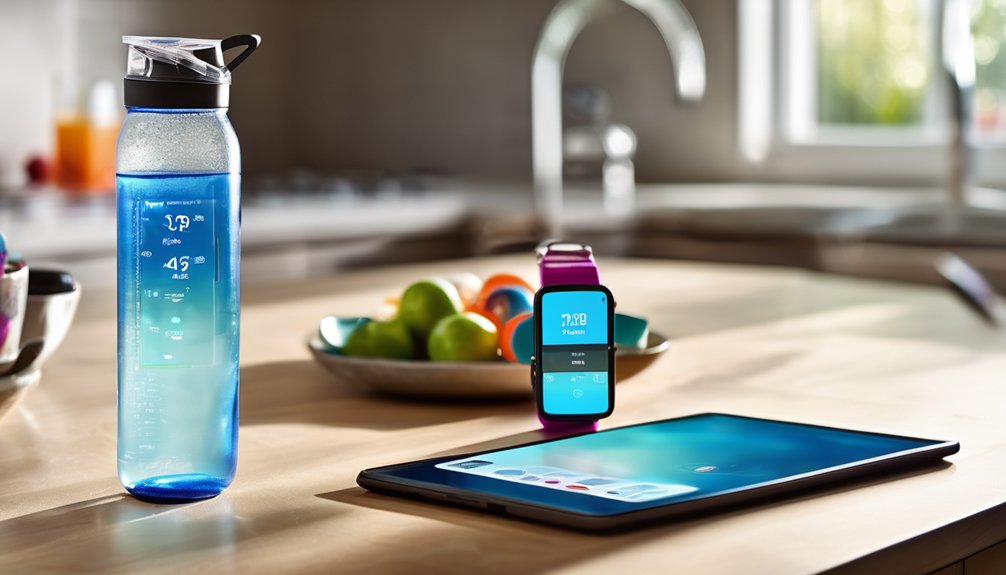
It gives you a practical starting point for supporting hydration benefits like better temperature regulation, circulation, and physical performance. It also helps you fit drinking habits into daily routines, especially when your schedule changes or you exercise often.
If you’re trying to stay consistent with your health goals, this tool can help you feel informed and included in a science-based approach to self-care. It doesn’t replace medical advice, but it can guide your choices and support steady hydration throughout the day.
How a Water Intake Calculator Works
It starts by combining a few personal details—usually your age, sex, body weight, activity level, and sometimes climate or pregnancy status—to estimate how much fluid your body may need each day. You enter the information, and the calculator applies research-based formulas to produce a practical target.
This helps you see beyond hydration myths and focus on a balanced estimate, not a perfect rule. Many tools also remind you that water sources include beverages and moisture from foods, so your total intake isn’t just plain water.
- You share basic details.
- The tool calculates a daily range.
- You review results and adjust habits.
Used well, a calculator gives you a clear starting point, so you can make informed choices with confidence and feel included in healthy routines.
What Affects Your Daily Water Needs
Your daily water needs change based on several personal and environmental factors, including body size, physical activity, climate, age, sex, and health status. You’ll often hear hydration myths, but evidence shows your needs shift with age factors, diet influence, health conditions, activity levels, climate variations, gender differences, and lifestyle choices.
| Factor | Effect | Example |
|---|---|---|
| Activity levels | Increase losses | Exercise, manual work |
| Climate variations | Raise sweat loss | Heat, humidity |
| Diet influence | Alters intake | High-sodium meals |
| Health conditions | Change needs | Fever, vomiting |
| Lifestyle choices | Affect access | Alcohol, travel |
You belong to a group whose needs aren’t fixed. Paying attention to these variables helps you stay appropriately hydrated without guessing.
How to Estimate Your Daily Water Goal
How do you estimate a practical daily water goal? Start with a simple baseline: many adults do well with about 2 to 3 liters a day, then adjust for your body size, climate, diet, and health guidance.
You can use your water intake calculator to track patterns and refine the target over time. Aim to spread intake across the day so you can support steady hydration benefits without relying on thirst alone.
- Keep a reusable bottle nearby.
- Count water sources like plain water, tea, and broth.
- Review urine color and overall energy.
This approach helps you set a realistic goal that fits your routine and supports consistency.
How Exercise Changes Your Water Intake

Exercise changes your water needs because you lose more fluid through sweat and faster breathing as intensity, duration, and heat increase.
You should adjust hydration strategies to match exercise intensity, workout duration, and activity types. A brisk walk may need only modest fluid replacement, while long runs, cycling sessions, or team sports can raise sweat loss enough to change your daily routines.
Drink before you start, sip during longer sessions, and use recovery hydration after you finish to restore balance.
For most people, thirst, body weight changes, and urine color offer practical cues. Staying consistent helps you fit in with active peers while supporting performance, comfort, and safe training.
How Weather Affects Hydration Needs
Hot, humid, or windy weather can increase fluid losses because your body works harder to regulate temperature through sweating and breathing. You should adjust intake as humidity levels rise, temperature extremes intensify, or altitude effects add extra respiratory water loss.
Seasonal changes and climate variations also matter, so your needs in a dry winter differ from a mild spring day. During outdoor activities, plan small, regular drinks to support personal comfort and steady performance.
- A desert hike demands more water than a cool indoor day.
- A muggy afternoon can leave you needing extra sips.
- High elevations may require quicker replacement of lost fluid.
Signs You Need More Water Today
Weather can change how much fluid you need, but your body also gives clear signals when intake is falling behind. You may notice thirst cues, dry mouth, darker urine, fatigue, or a mild headache. These signs don’t prove illness; they often reflect lower fluid status. Hydration myths, like waiting until you’re very thirsty, can leave you behind your needs.
| Sign | What it may mean | What to notice |
|---|---|---|
| Thirst | Early warning | Drinks feel urgent |
| Dark urine | Concentrated urine | Color deepens |
| Headache | Possible low fluids | Pain feels dull |
| Fatigue | Reduced hydration | Energy drops |
If several signs show up together, you’re likely behind. Listening to your body helps you stay with the group and respond early.
Simple Ways to Reach Your Water Goal
Once you know your daily water target, the easiest way to reach it is to spread intake across the day instead of trying to catch up all at once. You can pair sips with routines so hydration feels natural, not forced.
Practical hydration tips include:
- Keep a bottle where you work or study.
- Drink a glass when you wake up and before meals.
- Choose water-rich foods, such as fruit and soup.
These habits help you stay consistent and support the water benefits linked to regular intake, including better temperature control and fluid balance.
If you’re part of a busy group, syncing water breaks with shared routines can make the goal feel easier to maintain.
Conclusion
A water intake calculator gives you a practical starting point for your daily hydration goals. You can adjust your estimate for exercise, heat, and other factors, then use your body’s signals to fine-tune it. If you feel thirsty, fatigued, or notice dark urine, you likely need more fluids. By tracking your needs and sipping regularly, you’ll stay better hydrated than a camel in the desert. Consistent intake supports your health, energy, and overall well-being.