Personal Planning Tools
When you choose personal planning tools, you’re not just picking a planner or app; you’re deciding how you’ll track priorities, manage time, and turn goals into daily action. The best system fits your habits, not someone else’s method. Paper, digital tools, and calendars each solve different problems, but each can also create friction if you use them the wrong way. The key is finding a setup that actually holds up when life gets busy.
Key Takeaways
- Personal planning tools help organize tasks, time, and goals into clear, manageable steps.
- Choose tools that match your work style, such as simple lists, weekly blocks, or goal trackers.
- Common formats include paper planners, apps, and wall calendars, each offering different benefits.
- An effective planning system uses weekly goals, daily priorities, and time blocking.
- Avoid overloading lists, vague goals, and poor prioritization to maintain focus and progress.
What Are Personal Planning Tools?
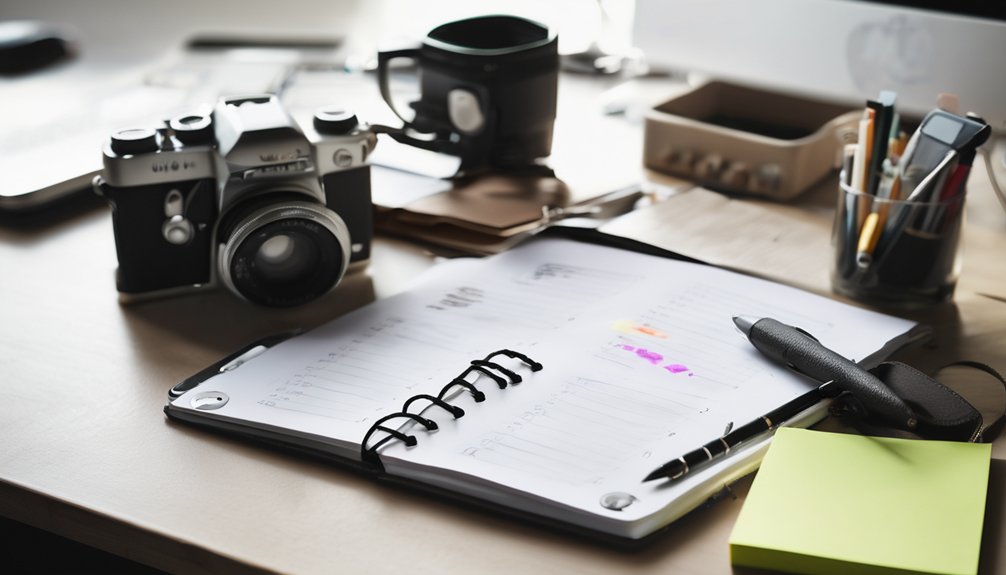
Personal planning tools are the systems, apps, and methods you use to organize your time, tasks, and goals so you can stay focused and get things done.
You use them to turn ideas into clear steps, track progress, and keep daily work aligned with bigger priorities. Whether you prefer a notebook, a calendar, or a digital app, these tools help you practice goal setting and strengthen time management.
They let you see what matters, what’s next, and where you need to adjust. When you build a simple routine around them, you join a group of people who plan with purpose and move forward with confidence.
With the right system, you can stay on track and make steady progress.
How to Choose Personal Planning Tools
To choose the right personal planning tools, start by matching the tool to how you actually work. You’ll feel more in control when the system fits your habits and supports goal setting and time management.
| Need | Pick |
|---|---|
| Daily focus | Simple lists |
| Weekly planning | Structured blocks |
| Long-term goals | Goal trackers |
| Quick updates | Compact notes |
| Team feel | Shared routines |
Look for tools that help you review priorities, break tasks into steps, and keep commitments visible. If you like clarity, choose one tool first and use it consistently. You’re not behind; you’re building a system that works for you. The right choice should save effort, reduce stress, and help you move forward with confidence.
Paper Planners vs. Apps vs. Calendars
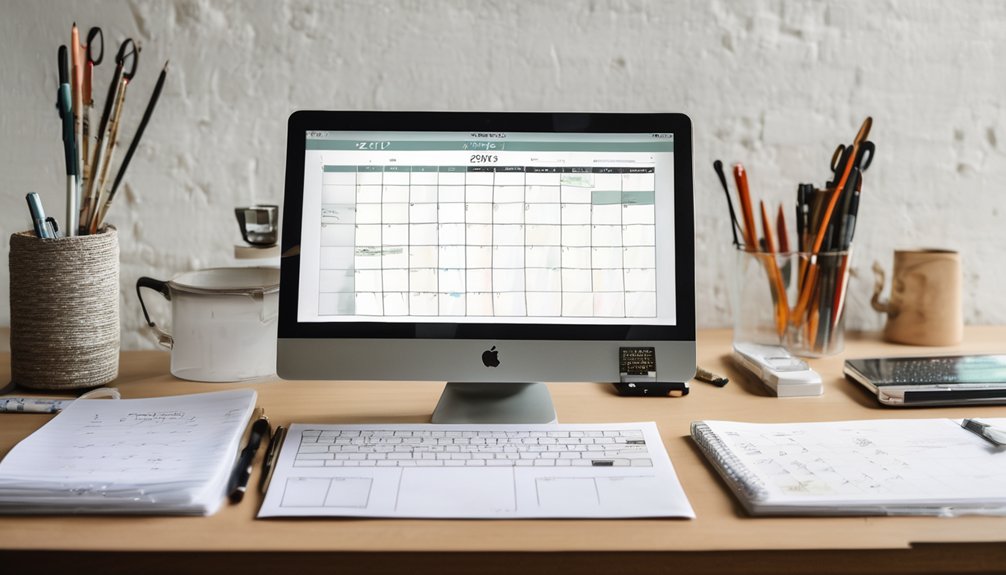
Each planning format works best for different habits, so choose the one that matches how you think and follow through.
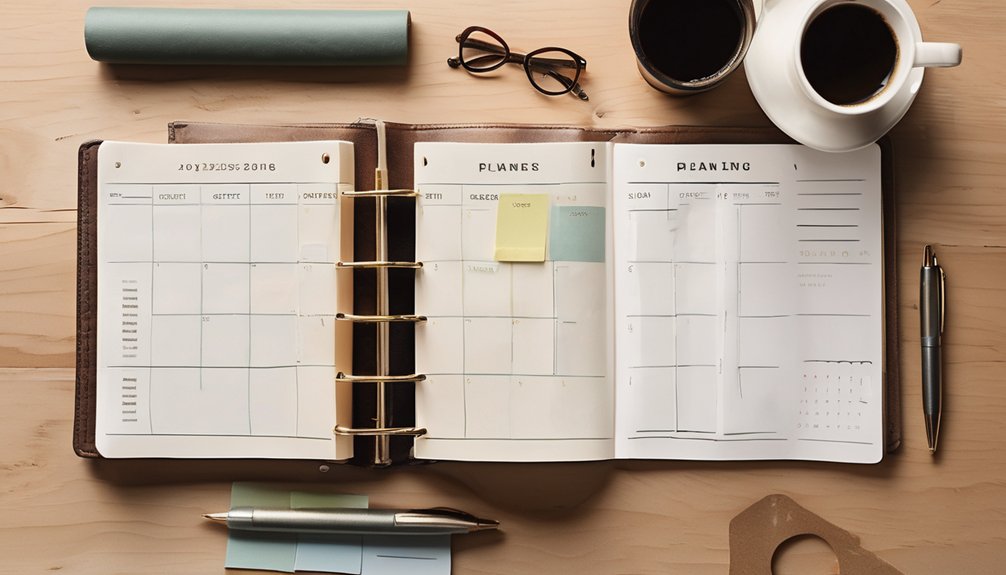
A paper planner gives you tactile satisfaction, letting you see your week at a glance and make quick notes without distractions.
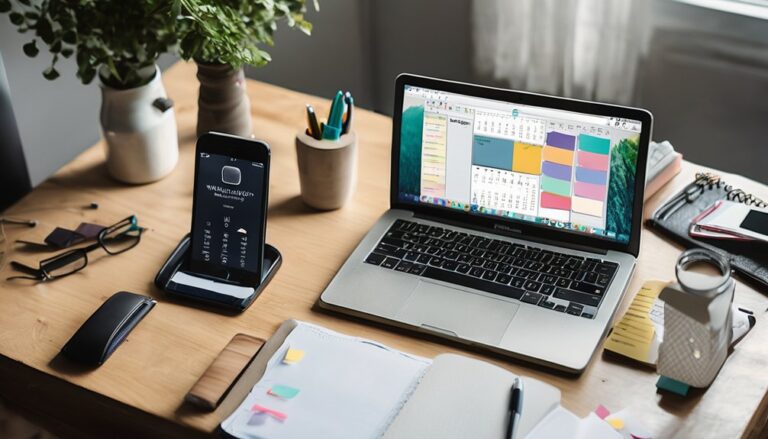
Apps add digital convenience, sending reminders, syncing across devices, and helping you adjust plans on the move.
Wall or desk calendars work well when you want shared visibility, keeping deadlines and events in plain sight for everyone around you.
You don’t need to pick the “best” option for everyone; you need the one that helps you stay clear, calm, and included in your own routine.
When the format fits your rhythm, planning feels less like a chore and more like a support.
Build a Planning System You’ll Actually Use
Once you’ve picked a format that fits your habits, the next step is turning it into a simple system you can keep using. Start with three anchors: weekly goal setting, daily priorities, and time blocking. Keep them visible and repeatable so you can rely on your plan without overthinking it.
| Step | Action |
|---|---|
| 1 | Set 3 weekly goals |
| 2 | Block key tasks |
| 3 | Review each evening |
This rhythm helps you stay connected to your commitments and your community, because you’ll know what matters and when to do it. Build around your real life, not an ideal one, and let the system support your energy. When your planning feels clear and manageable, you’re more likely to show up consistently and make progress with others beside you.
Common Mistakes in Personal Planning
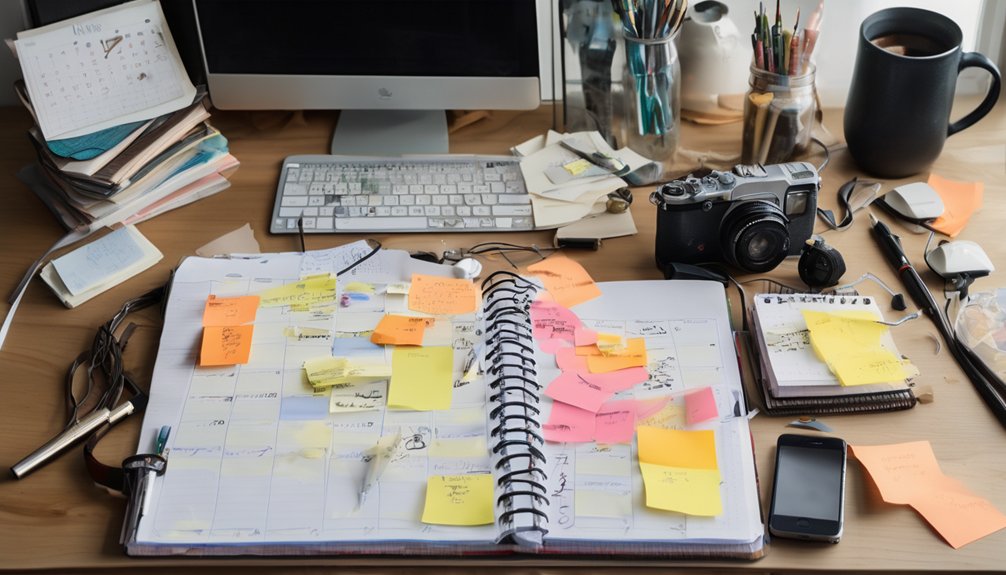
Even a good planning tool can fall short if you use it the wrong way, so it helps to spot the most common mistakes early. You may overload your list, which weakens time management and leaves you chasing everything at once.
You might set vague goals, then wonder why progress feels scattered. Use clear goal setting so each task points to a real outcome.
Don’t skip prioritization techniques; without them, urgent noise can crowd out what truly matters. Watch for procrastination pitfalls too, especially when you keep moving small tasks instead of starting the hard one.
Review your plan daily, trim what doesn’t fit, and choose fewer actions with more purpose. That’s how you stay focused and feel part of a group moving forward together.
Conclusion
Choose the personal planning tool that fits how you actually work, not how you wish you worked. Keep it simple, review it often, and build a system you can stick with every day. Whether you prefer paper, an app, or a calendar, consistency matters most. A good plan gives you direction and frees your mind. As the saying goes, “A place for everything, and everything in its place,” so your goals stay clear and within reach.