The Most Useful Life Tools for Every Stage of Life
You want tools that save time, tools that reduce stress, and tools that help you grow. The best life tools aren’t flashy; they fit your routines, support your goals, and make hard moments easier to manage. From daily habits to money choices to major transitions, the right ones can quietly shape how you move through each stage of life. Here’s how to find the ones that truly work for you.
Key Takeaways
- Habit trackers, mindfulness routines, and reminders help build consistent daily habits with less stress.
- Digital planners, time blocking, and priority lists keep tasks organized and improve focus.
- Budgeting apps, savings trackers, and bill reminders make money management simpler and more reliable.
- Reflection tools, accountability partners, and learning resources support growth and better decisions.
- Transition checklists, document organization, and social support help navigate major life changes confidently.
What Makes a Life Tool Useful?
A life tool is useful when it helps you handle real needs with less stress and more confidence. You’ll know it matters when it saves time, reduces confusion, and supports your goals without adding pressure.
The best tools fit your values, so you can use them in a way that feels natural and safe. They also strengthen personal development by helping you learn, adapt, and make better choices.
When life feels heavy, a useful tool can support emotional resilience, giving you a steadier way to respond instead of react. You don’t need flashy features or perfect systems. You need something reliable, clear, and easy to trust.
When a tool helps you belong in your own life, it’s doing its job well.
Life Tools for Better Daily Habits
Better daily habits start with tools that make the next good choice easier, not harder. You can build momentum with simple supports that fit your life and help you feel like you belong in your own progress.
Better daily habits start when the next good choice feels easier, not harder.
- Use habit tracking to see your daily routines and celebrate streaks.
- Pair mindfulness practices with goal setting so your choices feel calmer and clearer.
- Try motivation techniques like timers, reminders, and positive reinforcement to keep moving.
- Add reflection exercises and accountability partners so you can learn, adjust, and stay connected.
When you use these life tools together, you don’t have to rely on willpower alone. You create a steady rhythm that supports you, encourages you, and makes better habits feel possible every day.
Life Tools to Stay Organized
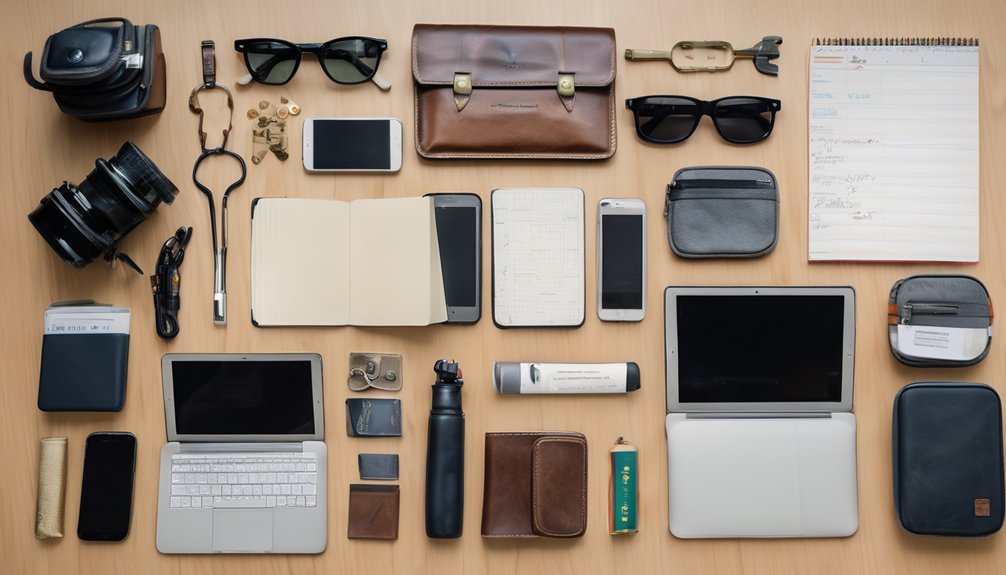
Staying organized becomes easier when you use tools that turn scattered tasks into a simple system you can trust. You can lean on digital planners and organizational apps to keep task management clear, so nothing slips through the cracks.
Try time blocking to protect your focus, and use priority setting to decide what matters first. When your space feels crowded, pair decluttering strategies with routine building so everyday mess stays manageable.
You’ll also stay motivated when goal tracking shows your progress and reminds you that small wins count. These tools don’t just help you get more done; they help you feel calm, capable, and connected to a life that runs with less stress and more ease.
Life Tools for Managing Money
Once your daily tasks feel more organized, it gets easier to give your money the same kind of structure. You don’t need perfection; you need a simple system that fits your life and helps you feel like you belong in control.
Try these tools:
- budgeting apps to track spending in real time.
- A savings goal tracker so you can see progress.
- A bill reminder calendar to avoid late fees.
- Reliable financial literacy resources that make money choices less confusing.
When you check your accounts regularly, you spot habits, adjust fast, and stay grounded. Small, steady moves add up.
With the right tools, you can manage money with more confidence, less stress, and a clearer sense of where you’re headed together.
Life Tools for Big Life Changes

Big life changes can feel less overwhelming when you have a few practical tools ready before you need them. When you’re moving, starting a new job, ending a relationship, or welcoming a child, lean on transitional strategies that break the process into small, clear steps.
Write down what must happen first, who can help, and what can wait. Keep a simple folder for important documents, contacts, and key dates so you don’t scramble later.
Just as important, ask for emotional support from people who know you well and want you to thrive. Let them listen, check in, and remind you that you belong even when life feels uncertain.
You’re not meant to handle change alone, and steady support can help you move forward with confidence.
Life Tools That Save Time and Energy
When life gets busy, the right tools can help you protect your time and energy without adding extra effort. You’re not alone in wanting simpler days, and small supports can make that happen.
The right tools can help you protect your time and energy when life feels full.
- Time saving apps: Use calendar, reminder, and note apps to keep tasks organized and reduce mental clutter.
- Meal helpers: Batch-cook, plan lunches, and use grocery lists to cut decision fatigue.
- Automation: Set bill payments, recurring reminders, and smart home timers to save steady effort.
- Energy efficient routines: Stack habits, prep the night before, and build calm mornings that carry you through the day.
These tools don’t replace your effort—they protect it, so you can show up with more ease and confidence.
How to Choose the Right Life Tools
Choosing the right life tools starts with your real needs, not the latest trend. You’ll make better choices when you notice what drains you, what supports you, and where you want more ease.
Look at each option through your personal values: does it fit how you live, work, and care for others? Then check goal alignment, so every tool helps you move toward what matters most.
Start small, test one change, and keep what truly helps. Ask people you trust what works for them, too; you’re not figuring this out alone.
The right tools should feel useful, familiar, and sustainable. When you choose with intention, you build a life that feels more organized, supported, and yours.
Frequently Asked Questions
Which Life Tools Are Best for Teenagers Starting Independence?
For teenagers starting independence, budgeting apps and time management tools work best. You’ll track money, plan school, and balance responsibilities with confidence. These simple tools help you feel capable, connected, and ready to grow.
What Life Tools Help Seniors Live Safely at Home?
You can use smart home tools, fall detection, medication reminders, mobility aids, home security, communication devices, and emergency plans to support daily living; like my grandmother’s lighthouse, they’ll guide you safely home, and you’ll belong.
How Can Life Tools Support Mental Health During Stressful Times?
You can use life tools to support mental health by setting routines, tracking moods, and practicing mindfulness practices daily. These habits build emotional resilience, help you feel grounded, and remind you you’re not alone.
Which Life Tools Are Useful for Parenting Newborns?
For newborn care, you’ll love baby monitors glowing softly beside the crib and diaper bags packed with essentials; they help you stay calm, connected, and ready, so you can nurture your baby with confidence.
What Life Tools Help Couples Manage Shared Responsibilities?
Communication apps and shared calendars help you divide chores, track appointments, and sync plans. You’ll stay connected, reduce confusion, and build teamwork. Add reminders and task lists, and you’ll both feel supported and included.
Conclusion
As you choose the most useful life tools, focus on what truly supports your goals, daily habits, and peace of mind. Whether you’re organizing your schedule, managing money, or facing a big change, the right tools can make life feel lighter and more manageable. Remember, Rome wasn’t built in a day, so give yourself time to adjust and grow. When you pick tools that fit your needs, you’ll build confidence, resilience, and balance every step of the way.