Free Tools for Planning Better Workouts
A better workout plan can feel both simple and out of reach, but the right free tools can change that. You can use apps, templates, or a basic spreadsheet to set goals, track progress, and keep your week balanced. When you match the tool to your routine, you’re more likely to stay consistent and avoid common mistakes. The next step is choosing the one that fits how you train.
Key Takeaways
- Free workout planners help you schedule what to do, when to do it, and how long each session lasts.
- Good tools make it easy to log sets, track progress, and review weekly training patterns.
- Free apps often include reminders, favorite exercises, and simple templates for flexible planning.
- The best planners support warm-ups, rest days, and realistic goals based on your actual schedule.
- Flexible tools help you adjust workouts without guilt, improving consistency and long-term adherence.
What Makes a Good Workout Planner?
A good workout planner keeps you consistent by making your next step clear, realistic, and easy to follow. You want one that fits your life, so you can check it quickly and stay on track with your workout frequency.
It should show what you’re doing, when you’re doing it, and how long it’ll take, without overwhelming you. A strong planner also reminds you about warm up importance, because starting safely helps you feel ready and keeps your body prepared.
Look for simple layouts, easy edits, and space for notes, so you can adjust when life changes. The best planner supports you like a teammate, helping you build momentum, feel included, and keep showing up with confidence.
Set Workout Goals You Can Stick To
Once you’ve got a planner that fits your life, the next step is setting goals that actually match your routine.
Keep your goal setting simple: choose targets you can measure, like three workouts a week or 20 active minutes after work. When you aim too high, you can lose momentum fast; when you start small, you build trust with yourself.
Use motivation techniques like pairing workouts with habits you already do, checking off sessions, and celebrating consistency instead of perfection. You’re not trying to prove anything to anyone. You’re building a rhythm that feels like yours, with room to grow.
If your week changes, adjust your goals without guilt. Progress sticks when your plan supports your real life and your community of support around you.
Free Workout Planning Apps Worth Trying
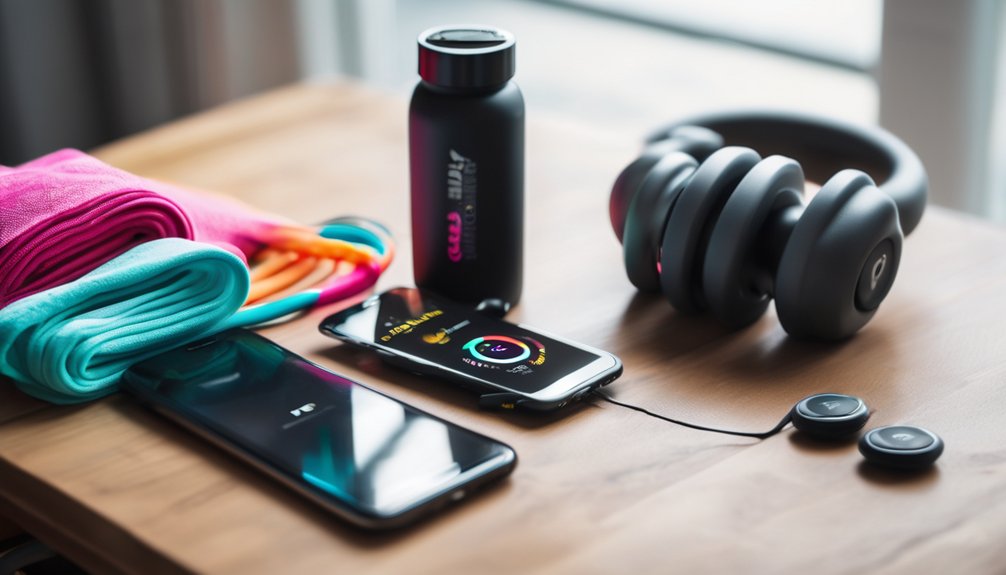
If you want a plan that’s easy to update on the go, free workout planning apps can make the process much simpler. You can log sets, track progress, and adjust sessions when life gets busy, all from your phone.
Many apps also let you save favorite moves, set reminders, and see patterns that keep your workout motivation high. If you like sharing wins, some tools connect you with a fitness community, so you don’t feel like you’re training alone.
That sense of support can help you stay consistent and proud of your effort. Try a few options, compare the features that fit your style, and choose the one that feels natural.
The best app is the one you’ll actually use.
Free Workout Templates for Weekly Routines
While apps help you stay organized on the move, free workout templates for weekly routines give you a simple big-picture view of your training. You can map out strength days, cardio sessions, rest, and recovery so your week feels balanced and doable.
Weekly workout templates help you spot gaps, avoid overtraining, and keep showing up with confidence. Choose customizable workout plans that match your goals, whether you’re building muscle, improving endurance, or just staying active with your crew.
When you can see the full week, you’re less likely to skip sessions and more likely to celebrate progress. Print one, save one, and adjust it as life changes. You’re not doing this alone—you’re building a routine that fits you.
Use Spreadsheets to Plan Your Workouts
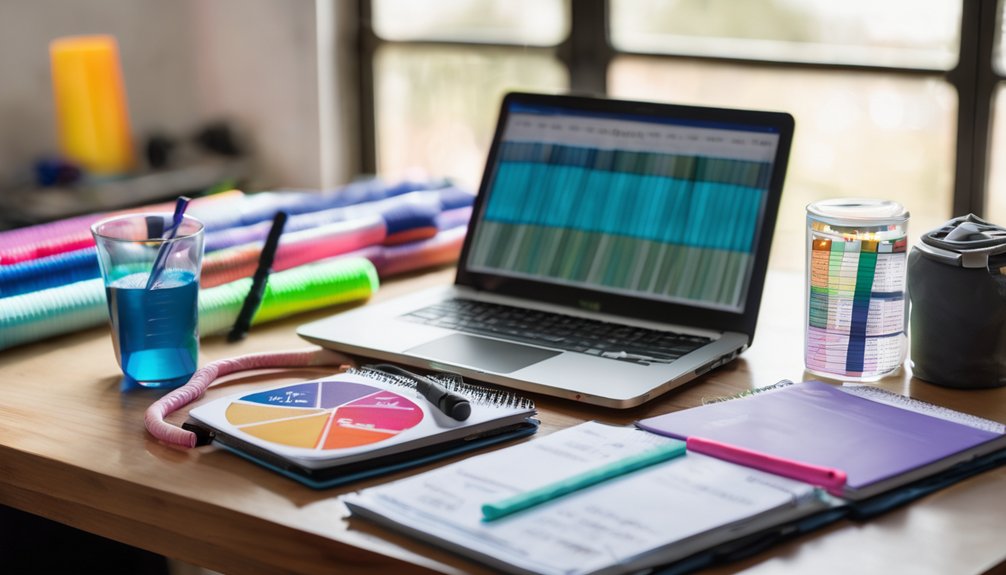
Spreadsheets can turn your workout plan into a clear, flexible system you can actually stick with. You can map each day, exercise, set, and rest period in one place, which keeps workout organization simple and welcoming.
The spreadsheet benefits are easy to see: you control the layout, adjust routines fast, and keep your plan visible whenever motivation dips.
- Build your week by day
- Group upper, lower, and cardio sessions
- Add notes for equipment
- Color-code tough and easy workouts
- Leave room for recovery
When you plan this way, you’re not guessing or starting over. You’re joining a smarter routine that fits your life and supports steady progress.
Track Progress With Simple Fitness Logs
A simple fitness log helps you see what’s working and where you can improve, so your effort turns into real progress. You don’t need anything fancy: jot down the date, workout, reps, time, and how you felt.
These fitness log benefits make it easier to notice patterns, celebrate wins, and stay connected to your goals. When you keep tracking consistency, you’ll spot the days you show up and the habits that carry you forward.
Tracking consistency helps you spot patterns, celebrate wins, and stay connected to the goals that keep you moving forward.
A short note after each session can help you stay honest, focused, and encouraged. Over time, your log becomes proof that you belong in this journey too, because every entry shows commitment.
Keep it simple, keep it regular, and let your record guide your next step.
Plan Strength, Cardio, and Recovery Days
If you map out your week ahead of time, you can balance strength, cardio, and recovery without guessing. You’ll build momentum when you rotate strength training, cardio sessions, and recovery techniques with purpose.
Keep workout frequency realistic so you stay consistent and supported. Use exercise variety to challenge different muscles and keep boredom away.
- Schedule rest days after hard sessions.
- Pair endurance training with lighter effort days.
- Add flexibility exercises after workouts.
- Use progress tracking to spot patterns.
- Protect muscle recovery with sleep and hydration.
You don’t need perfection; you need a plan that fits your life and helps you show up for your community of movers.
When you honor rest days, you come back stronger, steadier, and ready for the next session.
Match Tools to Your Fitness Level
Your best workout tools meet you where you are, not where someone else is. If you’re new, choose beginner fitness options that feel clear and doable, like simple trackers, guided timers, and easy logs.
As you grow, add advanced techniques with tools that support intervals, load tracking, or form notes. Let your personal preferences guide you; when a tool feels friendly, you’ll stick with it.
As you grow, choose tools that support intervals, load tracking, or form notes, so progress feels natural.
Build workout variety without overwhelming yourself, and use motivation strategies like streaks, reminders, or shared goals to keep momentum.
Good tools also support injury prevention by helping you pace effort and notice patterns. Respect recovery importance, and choose tools that make exercise consistency feel natural, not forced.
You belong in this process, and your setup should fit you.
Avoid Workout Planning Mistakes That Stall Progress
Even with the right tools for your level, progress can stall when your workout plan is messy or unrealistic. You don’t need perfection; you need clear choices that support workout consistency and keep you moving with your crew.
Watch for these common slip-ups:
- Packing in too many hard sessions
- Skipping rest and recovery
- Ignoring your actual schedule
- Tracking every detail but adjusting nothing
- Leaving no planning flexibility, so one busy day derails the week
Keep your plan simple, honest, and adaptable. When life changes, you can shift the workout instead of quitting it.
That’s how you stay connected, confident, and ready for the next session. Small fixes now can protect your progress later.
Build a Workout Routine That Lasts
To build a workout routine that lasts, start with a simple plan you can actually keep and enjoy. You don’t need perfection; you need rhythm, patience, and support from your own goals. Choose workouts you can repeat, then adjust them as life changes. That’s workout sustainability.
| Focus | Action |
|---|---|
| Start small | Pick 3 sessions |
| Stay consistent | Use the same days |
| Keep it flexible | Swap exercises when needed |
| Track wins | Note energy and progress |
Routine flexibility helps you stay in the game when work, family, or mood shifts. You belong in a plan that fits your real life, not one that fights it. When you miss a session, restart without guilt. Keep showing up, and your routine will grow with you.
Frequently Asked Questions
Which Free Tools Work Offline for Workout Planning?
You can use Google Keep, Notion offline, and paper workout journals for offline planning. They support fitness tracking when synced later, and you’ll stay organized, motivated, and connected to your training community.
Can I Share Workout Plans With a Coach?
Absolutely, you can share workout plans with a coach, and it’s a game-changer. You’ll boost workout collaboration, get coaching feedback, and feel supported. Send plans regularly, ask questions, and adjust together for better results.
Do These Tools Support Exercise Video Demos?
Yes—many tools do, and you can use exercise libraries with demos to learn form fast. You’ll want to check video quality, since clearer clips help you feel supported, confident, and ready to belong.
How Often Should I Update My Workout Plan?
You should update your workout plan every 4 to 8 weeks, or sooner if your progress stalls. Track workout frequency and plan effectiveness, then tweak exercises, volume, or recovery so you stay motivated together.
Are There Free Tools for Planning Home Workouts?
Yes—you’ve got free tools for that. Like a lantern on your path, apps and templates help you map a home workout around your fitness goals, keep you accountable, and make you feel supported.
Conclusion
You’ve got everything you need to plan workouts that actually stick. Whether you use an app, a template, or a simple spreadsheet, the best tool is the one you’ll keep using. Set clear goals, balance strength with recovery, and avoid the mistakes that slow you down. Small, steady choices can feel like they move mountains. Stay flexible, stay consistent, and you’ll build a routine that supports real progress and lasting results.