What Is Your Body Fat Percentage?
Around 20% to 30% of adults guess their body fat within a wide margin of error, which makes scale weight alone unreliable. Your body fat percentage shows how much of your weight comes from fat, not muscle, water, or bone. That distinction can change how you train, eat, and measure progress. But what counts as healthy, and how do you measure it accurately?
Key Takeaways
- Body fat percentage is the share of your total weight made up of fat tissue.
- It gives a clearer health picture than scale weight alone by separating fat from lean mass.
- Healthy ranges vary by sex and age, but roughly 10–20% for men and 18–28% for women.
- Common ways to measure it include skinfold calipers, bioelectrical impedance scales, and DEXA scans.
- Track body fat percentage over time, since trends are more useful than a single reading.
What Is Body Fat Percentage?

Body fat percentage is the proportion of your total body weight that comes from fat tissue rather than muscle, bone, organs, and water. You can think of it as one part of your body composition, alongside lean tissue and other components.
This measure helps you understand how much stored fat you carry, but it doesn’t tell the whole story about health or fitness. Fat distribution also matters, because where your body stores fat can vary from person to person.
When you track body fat percentage, you get a clearer picture than weight alone. That can help you set realistic goals, compare progress over time, and feel more connected to a community of people working toward better habits together.
Why Body Fat Percentage Matters
Knowing your body fat percentage helps you interpret health and fitness more accurately than body weight alone. It shows how much of you is fat versus lean tissue, so you can track body composition, not just scale changes.
That matters because two people can weigh the same and look, perform, and feel very differently. When you know your body fat percentage, you can set realistic fitness goals, monitor progress, and adjust training or nutrition with more confidence.
You also gain a clearer picture of long-term health risks and energy balance. Instead of chasing a number that may not reflect your effort, you can focus on meaningful changes that support strength, endurance, and belonging in a community working toward better health together.
How to Measure Body Fat Percentage

Several methods can estimate body fat percentage, but each varies in accuracy, cost, and convenience.
You can use skinfold measurements, where a trained professional pinches specific sites to estimate subcutaneous fat with calipers. This method’s practical and affordable, but technique matters, so consistent testing helps you stay confident in your numbers.
Bioelectrical impedance is another common option; a small current passes through your body and estimates fat from resistance. Hydration, food, and exercise can affect results, so test under similar conditions each time.
Bioelectrical impedance uses resistance to estimate body fat, but hydration and food can affect results.
DEXA scans offer more detail, but they’re less accessible.
Whatever method you choose, track changes over time rather than focusing on one reading. That way, you’ll better understand your body and feel more connected to your progress.
What Is a Healthy Body Fat Range?
A healthy body fat range depends on your sex, age, and overall health, so there isn’t one number that fits everyone. You can think of it as a practical zone that supports energy, hormones, and physical function without excess strain on your body.
Your body composition matters because it shows how much of you is fat, muscle, and other tissues. When you aim for healthy lifestyles, you’re not chasing a perfect look; you’re supporting long-term wellness, strength, and metabolic health.
A range that’s too low can affect recovery and immunity, while one that’s too high may raise health risks. Focus on trends, not perfection, and use measurements alongside habits, symptoms, and clinician guidance to judge what’s healthy for you.
Healthy Body Fat Ranges by Age and Sex
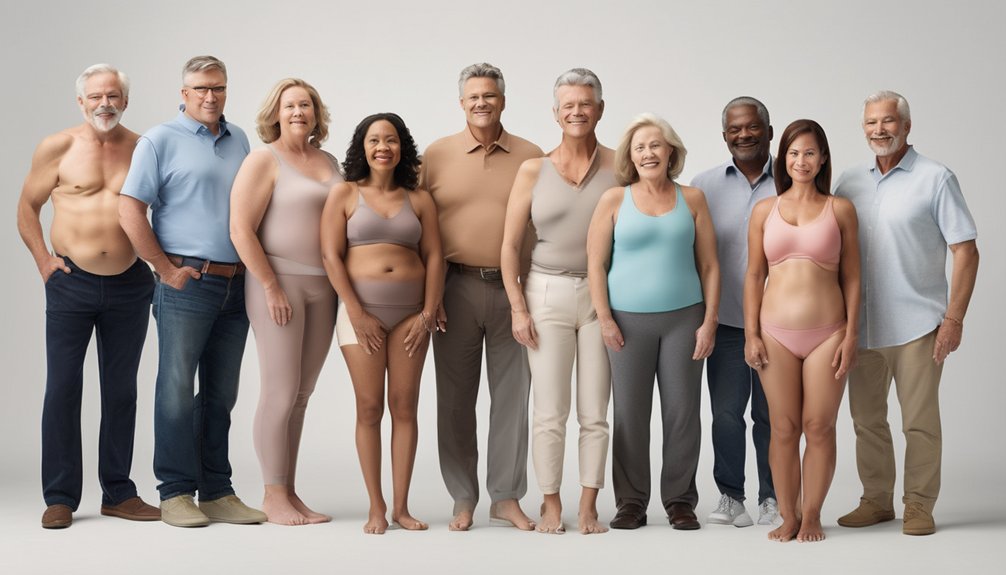
Healthy body fat ranges vary by age and sex because hormones, growth, and body composition change across the lifespan. You’ll usually see lower healthy ranges in younger adults and slightly higher ranges as you age, so age factors matter when you compare yourself with charts.
Sex differences also matter: women naturally carry more essential fat to support reproductive function, while men typically maintain leaner averages. For many adults, a healthy range often falls around 10–20% for men and 18–28% for women, though these bands can widen with age.
Use your own pattern as part of a larger community of healthy bodies, not as a reason to compare unfairly. The best range is one you can sustain with energy, strength, and confidence.
What Affects Body Fat Percentage?
Body fat percentage is shaped by a mix of biology and daily habits. Your dietary choices affect how much energy you store, while exercise habits influence how much you use.
Genetics influence where you store fat and how easily you gain or lose it, so your starting point isn’t the same as everyone else’s. Hormonal balance also matters, because hormones help regulate appetite, metabolism, and fat storage.
Genetics shape where you store fat, while hormones influence appetite, metabolism, and fat storage.
Age effects can slowly shift body composition as muscle mass changes over time. Lifestyle factors such as sleep, stress, and activity level add another layer.
When you understand these influences, you can make sense of your numbers without judgment and feel more connected to what your body needs.
How to Lower Body Fat Safely
Lowering body fat safely means creating a modest calorie deficit while protecting muscle, energy, and overall health. You can do this by pairing meal planning with nutrient timing, so you fuel workouts and avoid extreme hunger.
Choose lean proteins, high-fiber carbs, and healthy fats to stay satisfied. Add strength training and exercise variety to challenge your body and keep progress steady.
Hydration strategies matter too, because thirst can mimic hunger and affect performance. Prioritize recovery importance by sleeping well, managing stress, and resting between hard sessions.
Focus on sustainable lifestyle changes instead of quick fixes, and track trends, not day-to-day swings. When you stay consistent, you join a group of people building healthier bodies through science-backed habits.
Build Muscle While Losing Fat
Building muscle while losing fat is possible when you pair a modest calorie deficit with enough training stimulus and protein to support repair.
You can keep progressing by lifting hard, tracking load, and giving each muscle group enough weekly volume. Aim for about 1.6 to 2.2 grams of protein per kilogram of body weight, and spread it across meals to improve muscle recovery.
Nutrition timing helps too: eat protein and carbs before and after training to support performance and recovery.
Sleep matters because your body adapts when you rest, not only when you train. If you’re consistent, you can belong to the group that reshapes its physique without crash dieting.
Small, steady changes usually beat extreme cuts and protect strength, energy, and adherence.
Common Body Fat Measurement Mistakes
Even if you’re training hard, eating enough protein, and watching the scale, body fat readings can still mislead you if you don’t measure them correctly. You’ll get better data when you control hydration, posture, and skinfold placement. Check your device for calibration errors, because a miscalibrated tool can shift results enough to hide real change. Keep measurement timing consistent—measure at the same time of day, after similar meals, and under similar conditions.
| Mistake | Effect | Fix |
|---|---|---|
| Poor calibration | Skewed readings | Recalibrate regularly |
| Inconsistent timing | Noisy trends | Use one schedule |
| Hydration swings | False changes | Measure similarly |
| Bad technique | Operator bias | Practice form |
When you measure well, you join a group of people tracking progress with confidence, not guesswork.
Body Fat Percentage vs. Body Weight
Body weight tells you how much you weigh, but body fat percentage tells you how that weight is distributed between fat and lean tissue.
You can weigh the same as someone else and still have very different health profiles, because fat distribution, muscle gain, and bone mass change your body composition.
If you’re in a caloric deficit, the scale may drop, but body fat percentage shows whether you’re losing fat or muscle.
Your metabolism rate, lifestyle factors, dietary habits, exercise routines, and hormonal balance all shape these results.
Track both measures so you can see real progress, not just a number. That helps you stay connected to a community of people aiming for stronger, healthier bodies.
Frequently Asked Questions
Can Body Fat Percentage Change Daily?
Yes, your body fat percentage can shift daily because hydration, food, and inflammation affect readings. For better measurement accuracy, track daily fluctuations under similar conditions, so you’ll feel confident and connected to your progress.
Does Hydration Affect Body Fat Readings?
Yes—hydration affects body fat readings enormously. Your water levels can skew bioelectrical scans, changing measurement accuracy. Drink consistently, and you’ll get more reliable hydration effects. You’re not alone; everyone’s numbers fluctuate a bit.
Is Body Fat Different From Visceral Fat?
Yes—you’re comparing different things: body fat includes all stored fat, while visceral fat surrounds organs. Your body fat distribution matters, and visceral fat implications can affect health more seriously, so you should monitor both.
Can Athletes Have Very Low Body Fat Safely?
Yes—sometimes, but not always. You might look lean and powerful, yet athlete health can hide low fat risks: hormones, recovery, and immunity can suffer. You’ll want careful testing, coaching, and nutrition support.
How Often Should I Check My Body Fat?
You should check it every 2–4 weeks, because body fat tracking changes slowly. Use consistent measurement methods, like skinfolds or bioimpedance, and compare trends, not single readings, so you feel confident and stay connected.
Conclusion
Your body fat percentage tells you more than the scale ever can. When you track it, you can set smarter goals, measure real progress, and adjust your diet and training with confidence. Aim for a healthy range, use reliable methods, and avoid common measurement mistakes. By reducing excess fat while preserving muscle, you support better health and performance. Think of it as a map: it guides you toward a stronger, leaner, healthier body.